
Last updated November 15, 2026
 Wrought iron
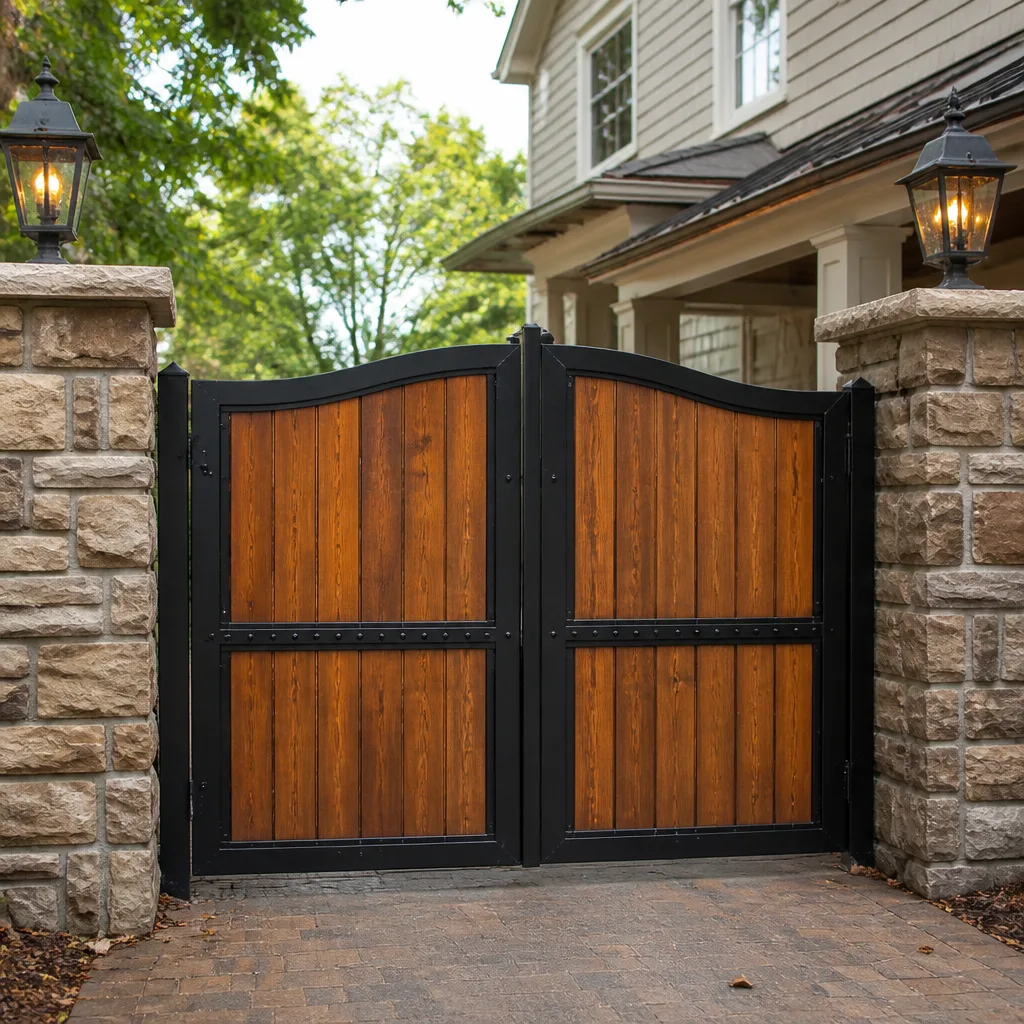 Wood & steel frame
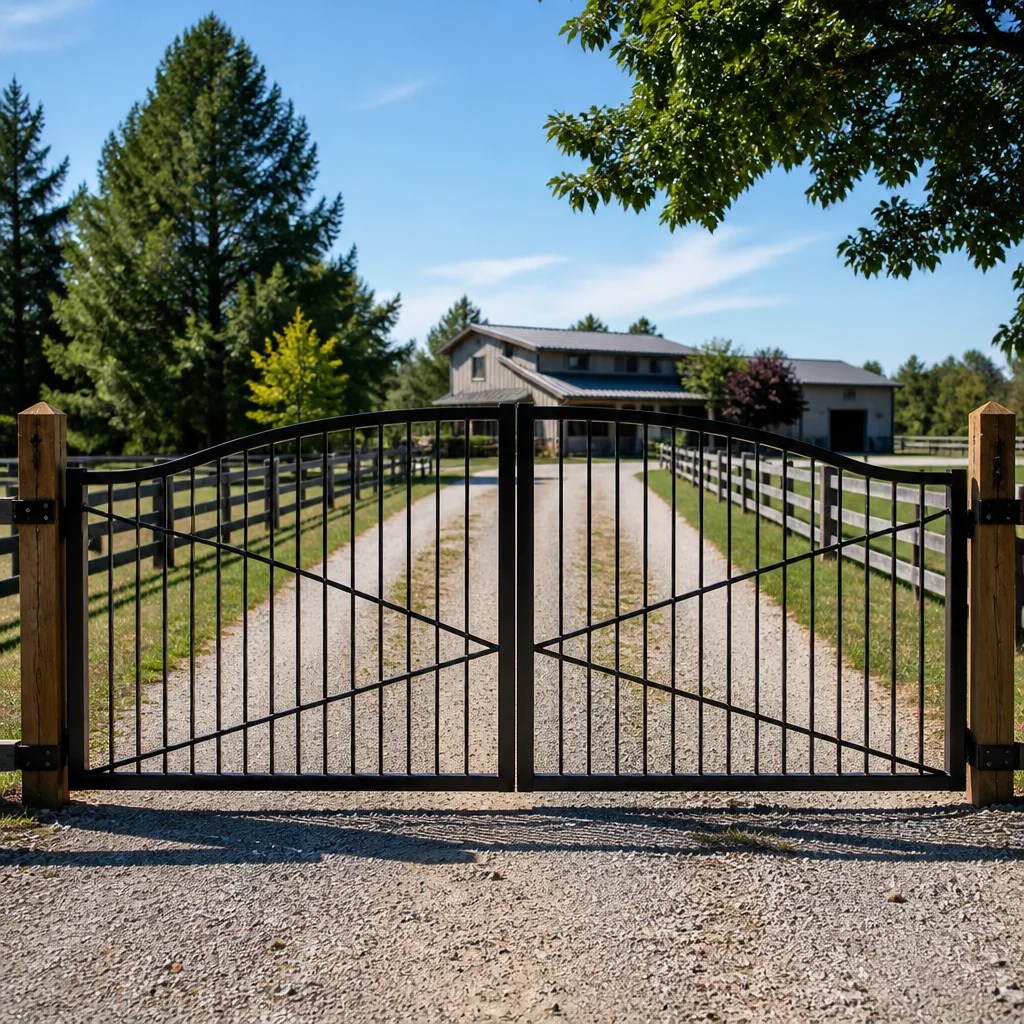 Farm & ranch
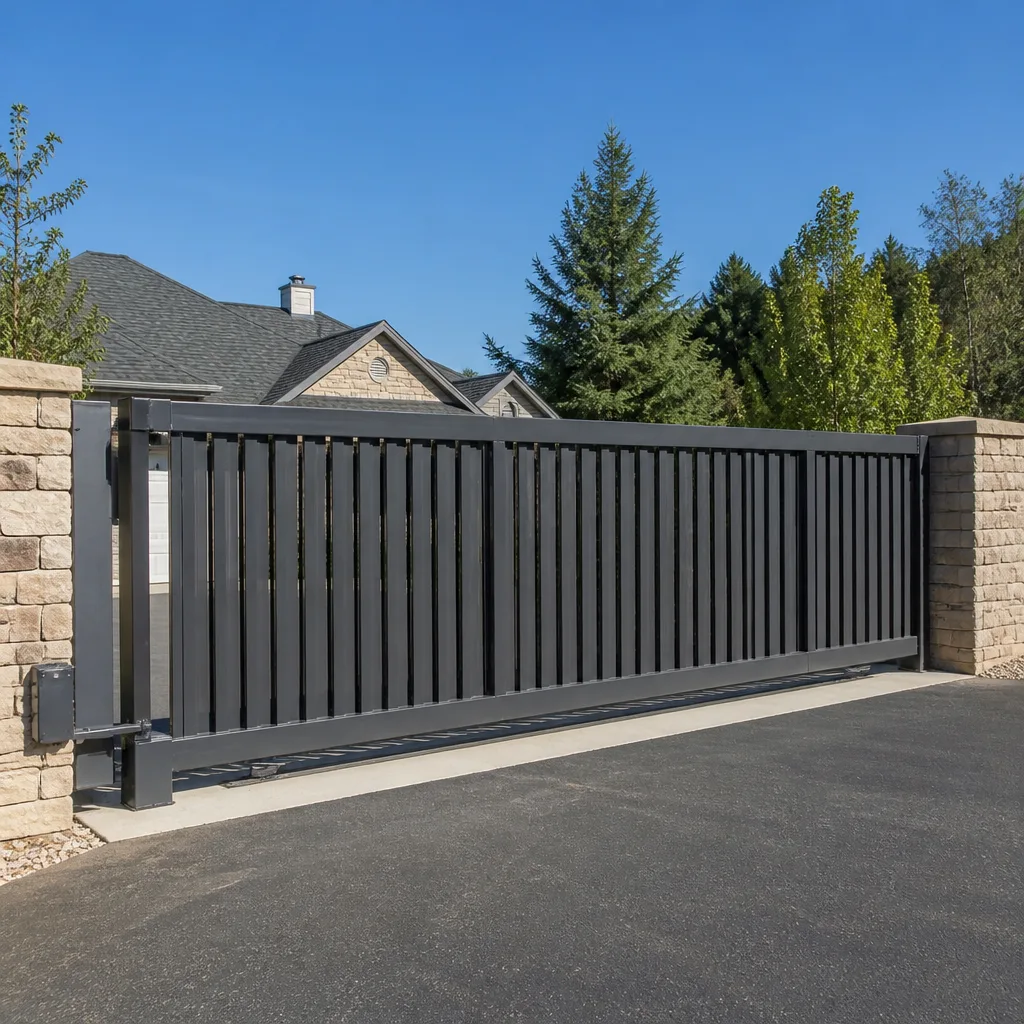 Sliding driveway gates
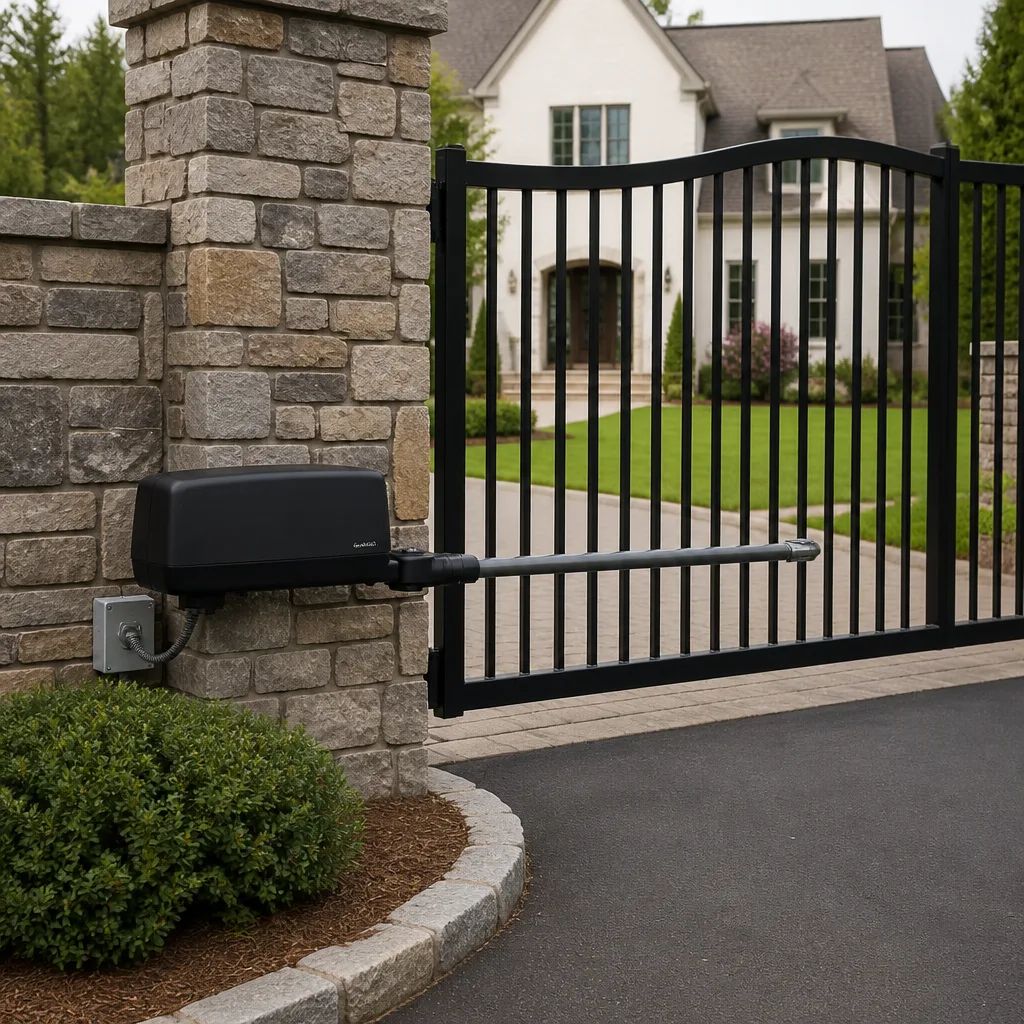 LiftMaster operators
Free on-site gate assessment - hinges, posts, and your LiftMaster or Nice gate operator checked before anything is quoted
The assessment is free and the quote is the invoice.
Get your free estimateGate Repair Warning Signs: A Columbia Homeowner’s Reference Guide
A gate that reverses unexpectedly before closing could mean debris on the loop detector, a force threshold set too low, or a failing motor. Three wildly different repairs. All three look identical from the driver’s seat. That’s the problem with gate symptoms: the outside of the gate tells you almost nothing about what’s happening inside the operator housing or under the track. Homeowners in Columbia either panic over a noise that’s completely normal or ignore a symptom that’s quietly getting expensive. This guide sorts more than a dozen common warning signs into three tiers – monitor, schedule, call now – so you can make an informed decision instead of a guess.
Quick Answer
Most gate warning signs fall into one of three severity tiers: monitor (normal mechanical behavior or something you can watch), schedule (a developing problem that needs a technician within weeks), and call now (a safety or security failure that needs attention immediately). The tier depends on which part is involved – operator, structure, or safety device – not on how loud or dramatic the symptom seems. A quiet gate that stops reversing is more urgent than a noisy one that still works.
Styles & brands we work with
- Wrought iron
- Wood & steel frame
- Farm & ranch
- Sliding driveway gates
- LiftMaster operators
Table of Contents
- The Three-Tier Severity Matrix
- Operator Warnings vs. Structural Warnings
- Sounds Decoded: Grinding, Clicking, and Grinding Under Load
- Intermittent vs. Consistent Failures
- Electric Gate Warning Signs: Beeps, Fault Codes, and Diagnostic LEDs
- Safety Device Failures You Should Never Ignore
- Seasonal and Site Conditions in Columbia
- What to Document Before the Technician Arrives
The Three-Tier Severity Matrix
Every warning sign on a gate needs to be sorted before it needs to be fixed. The tier tells you how fast to act, and it’s based on what the symptom implicates – not on how alarming it sounds. A gate that shudders loudly on every cycle but always completes the cycle is usually a monitor item. A gate that runs silently and perfectly but no longer reverses when something blocks its path is a call-now item. The quiet one is the dangerous one.
Tier 1 – Monitor. These are symptoms worth writing down and watching for a change:
- A single soft clunk at the start or end of travel that hasn’t gotten louder
- Chain or belt sag that’s visible but hasn’t slipped
- One episode of the gate stopping mid-cycle that hasn’t repeated
- Weather-related stiffness on the first cycle of a cold morning
- Slightly slower travel speed that’s consistent, not worsening
Tier 2 – Schedule. These are developing failures. Book a technician within the next few weeks, before they turn into Tier 3:
- Grinding that appears only under load (when the gate meets resistance)
- The gate reversing at the same spot every time, or stopping short of full close
- A remote or keypad that works only from close range or only intermittently
- Visible wear on hinges, rollers, or the track that’s changing how the gate tracks
- An operator that runs hot, smells warm, or sounds labored at the end of travel
Tier 3 – Call now. Stop using the gate and call. These are safety or security failures:
- The gate no longer reverses when it meets an obstruction
- The gate drifts, sags, or comes off its track or rollers
- Burning smell, visible scorching, sparking, or a tripped breaker at the operator
- A slide gate that has jumped its track or a swing gate whose hinge has pulled loose
- Safety photo-eyes or edge sensors that are physically damaged or no longer respond
- Any gate that moves on its own, opens without a command, or fails to stay closed
Two of these tiers require different specialists. More on that next.
Operator Warnings vs. Structural Warnings
This is the distinction that trips up most homeowners, and it’s the one that saves the most money when you get it right. A gate is two systems in one housing: the operator (the motor, control board, and drive mechanism) and the structure (the gate leaf, posts, hinges, rollers, track, and anchors). The warning signs are different, and they need different kinds of specialists.
Operator warning signs
These implicate the motor, the control board, the drive train, or the safety circuit. They’re the domain of a gate automation specialist – someone who knows the brand’s control logic and can read its diagnostic output. Signs include:
- Beeping from the control housing, especially at regular intervals
- Flashing LEDs on the control board in a repeating pattern
- The gate stopping and reversing at a consistent point in travel
- Remotes, keypads, or loop detectors that work inconsistently
- The operator cycling but the gate not moving
- Erratic speed, stuttering, or a motor that sounds labored
Structural warning signs
These implicate the physical gate and its mounting. A gate automation specialist can diagnose them, but the fix is mechanical – hinges, rollers, posts, or anchors – not electronic. Signs include:
- The gate leaf sagging, dragging, or no longer level
- Visible gaps at hinges or loose hinge plates
- Posts that have shifted, leaned, or loosened at the base
- Rollers that have worn flat or come out of the track
- A swing gate that no longer meets its stop cleanly
- A slide gate that has jumped its track or is binding
Why the distinction matters: an operator can be perfectly healthy while the gate binds on a worn roller, and a technician who diagnoses by brand and symptom rather than by guesswork will confirm which side of the line the problem sits on. The wrong specialist wastes a visit. The right one fixes it. If you’re not sure which you have, we can help you sort it – see our gate repair page for what’s involved. If the symptom is clearly in the operator or the electronics, our electric gate repair service is the right call.
Sounds Decoded: Grinding, Clicking, and Grinding Under Load
Sound is the cheapest diagnostic tool you have. A gate that sounds wrong is telling you where to look, and the kind of sound narrows it down fast. Here’s how we read them in the field.
Grinding
Continuous grinding – a harsh, rasping sound that runs the full length of travel – usually implicates the drive train: a worn gear, a dry chain or belt, a failing bearing, or debris trapped in the track. If it’s constant and hasn’t changed in weeks, it’s often a monitor item. If it’s getting louder or the gate is slowing, it’s a schedule item. If it’s accompanied by a burning smell, stop and call.
Grinding under load
This is the sneaky one. A gate that runs quiet in open air and grinds only when it meets resistance – at the end of travel, against a slope, or when the wind pushes against it – usually points to a drive or alignment problem that only shows up under stress. It’s almost always a schedule item, because a load-related grind left alone accelerates wear on the gear and the motor. Catching it early is the difference between a small repair and a drive replacement.
Clicking
Clicking is usually electrical or mechanical in a small, specific way: a relay in the control board engaging, a limit switch actuating, a solenoid firing, or a worn bearing ticking as it rotates. A single click at the start of travel is normal. A rapid click-click-click that repeats – especially if the gate doesn’t move – points to a control board issue, a limit switch fault, or a failing relay. That’s a schedule item if it’s intermittent and a call-now item if the gate stops responding altogether.
Clunking
A single heavy clunk at the start or end of travel is often normal mechanical behavior – a stop plate meeting its bumper or a chain taking up slack. A clunk that’s new, or that’s accompanied by a jerk or shudder, points to a loose chain, worn sprocket, or a hinge that’s developed play. Monitor it if it’s unchanged; schedule it if it’s growing.
Humming but not moving
The operator hums, the gate doesn’t move. That’s the motor trying to drive against a locked or bound mechanism. If the gate is free and the motor still hums without moving, you’re into a drive train or control issue. Don’t keep letting it hum – motor damage adds up fast.
Intermittent vs. Consistent Failures
Counterintuitively, the consistent failure is often easier to diagnose than the intermittent one. A gate that fails the same way every time gives a technician a reproducible symptom to chase. A gate that fails one time in twenty is a puzzle – and it’s almost always a Tier 2 symptom that turns into a Tier 3 symptom if ignored long enough.
Why intermittent failures resist diagnosis: they usually involve a component that’s marginal rather than failed. A photo-eye that’s slightly misaligned, a limit switch that’s dirty, a remote battery on its last leg, a control board relay that’s starting to stick, or a wire connection that’s loose enough to fail under vibration but not enough to fail at rest. None of these show up reliably in a one-time test. They show up by pattern.
The most valuable thing you can do before the technician arrives is document the pattern. Here’s what to write down:
- When it happens. Time of day, weather, and temperature – cold mornings and hot afternoons surface different faults.
- What the gate was doing. Opening, closing, mid-cycle, at the start, or at the end.
- What triggered it. Remote, keypad, loop detector, safety edge, or “on its own.”
- Whether the gate completed the cycle. Fully, partially, reversed, or stopped dead.
- What made it work again. Re-pressed the remote, waited, power-cycled it, or it just resumed.
- How often. Once a week, once a day, or multiple times a day.
- Anything unusual. A beep, a flash, a sound, or a smell that came with it.
That list is what turns an intermittent fault from a guessing game into a diagnosis. Brand-specific experience matters here too – a technician who has seen this pattern on Viking or Ghost Controls systems before knows what to test first instead of starting from zero. We’ve seen this before on those systems, and the pattern is usually the same: the fault is real, marginal, and easier to catch with a documented record than with a single visit and a guess. Document it, then let us look.
Electric Gate Warning Signs: Beeps, Fault Codes, and Diagnostic LEDs
Electric and automated gates have a second language: the control board. It beeps, it flashes, and on many systems it stores fault codes. Learning to note the pattern – without opening the housing – is one of the most useful things a homeowner can do, because it shaves the diagnostic time on the visit.
Beeping control boards
A beeping operator is usually reporting a fault or warning state. On some systems it’s a low-battery indicator on a solar or battery-backed unit. On others it’s a safety device fault – a photo-eye that’s blocked or misaligned, or an edge sensor that’s stuck. Regular, rhythmic beeping is the operator’s way of telling you something’s not right. Note the interval and whether it starts after a cycle or happens at rest.
Flashing fault codes
Most modern control boards use a flashing LED to report fault codes – a repeated sequence of blinks that maps to a specific condition in that brand’s documentation. What you can do without opening anything: count the blinks, note how many times the flash sequence repeats, and note when it starts. What you should not do: open the operator housing to inspect the board yourself. On an automated gate the housing contains live wiring and the control logic that governs safety devices, and that’s a job for a trained technician.
Reading a LiftMaster or FAAC diagnostic LED
Brand-specific logic matters. If you own a LiftMaster system, its control board typically reports faults through a flashing LED near the board, and the flash count corresponds to a specific condition in its documentation. FAAC systems have their own diagnostic convention, and DoorKing access-control systems report faults differently again – sometimes through an LED on the controller, sometimes through the access panel. What matters is not memorizing the codes; it’s knowing that the codes exist and where to look. When you call, tell the technician: the brand, the flash count, and what the gate was doing when the flash appeared. That detail is worth more than a general description of “it’s not working.” If the fault is on the control side, our electric gate repair team diagnoses by system knowledge and the brand’s own fault logic, so the visit starts at the likely cause instead of working backward from nothing.
Safety-device fault indicators
Flashing or steady-state indicators on safety devices – photo-eyes, safety edges, loop detectors – mean the safety circuit has a fault. Do not dismiss these. On an automated gate, the safety circuit is what stops the gate from closing on a person or a vehicle. A fault there is a Tier 3 item. The gate may still operate, which is exactly what makes it dangerous.
Safety Device Failures You Should Never Ignore
Of all the warning signs in this guide, the safety-device failures are the ones that matter most. A gate that doesn’t close is an inconvenience. A gate that closes on something it should have stopped for is a hazard. These are always Tier 3 – call now, stop using the gate until it’s checked.
- The gate no longer reverses on contact. The most urgent sign on any automated gate. If it meets an obstruction and keeps going, the force threshold or the safety circuit has failed.
- Photo-eyes that don’t respond. If the beam is blocked and the gate still closes, the safety circuit is not doing its job.
- Safety edges that are damaged or don’t stop the gate. The edge is the last line of defense on a moving leaf.
- Loop detectors that no longer hold the gate. A vehicle on the loop should hold the gate open; if it doesn’t, traffic and the gate can collide.
- Erratic reversing with no obstruction. A gate that reverses unpredictably is reading a fault in the safety circuit or the encoder – either way, it can’t be trusted.
- A gate that moves without a command. Phantom opening or closing means a control or wiring fault, and it’s a security failure as much as a safety one.
We won’t walk you through diagnosing these yourself. A gate operator’s housing and wiring carry the voltage and control logic that governs the gate’s force and reversing behavior, and getting it wrong is a serious injury risk. Note the symptom, stop using the gate, and call a trained technician. The good news is that these are also the most diagnostic – once we’re on site, the brand’s fault logic and a direct test of the safety circuit usually identify the cause quickly.
Seasonal and Site Conditions in Columbia
Gates in Columbia live with the same seasonal rhythm as the rest of central Maryland: cold winters that stiffen lubricants and shrink metal, wet springs that swell wood and rust hardware, and hot, humid summers that stress electronics and encourage the growth that creeps into tracks and hinges. None of this is dramatic, but it does mean certain symptoms cluster by season, and knowing that helps you read them correctly.
Cold-weather symptoms
On a cold morning, a gate that’s slightly stiff or slower on the first cycle is often normal. Grease thickens, metal contracts, and a gate that’s marginally adjusted all year starts to drag. If it eases after a few cycles, it’s a monitor item. If it drags every cold morning and only eases after many cycles, it’s a schedule item – the adjustment or lubrication is due, and it won’t fix itself when spring arrives.
Wet-weather symptoms
Wet weather surfaces problems that are invisible in dry conditions: photo-eyes that fog or misalign, gate hardware that rusts, and wood that swells and binds against its stops. A gate that only misbehaves when it’s wet is telling you about a marginal adjustment or a marginal connection. That’s a schedule item, not a crisis – but do write down that it’s weather-linked, because that narrows the diagnosis.
Summer symptoms
Heat stresses electronics. Control boards that run hot can start to fail intermittently, motors can overheat under load, and battery-backed systems can show their age. If your electric gate starts beeping or throwing fault codes on hot afternoons, heat is a likely contributor. Note the time and temperature.
Site-specific symptoms
Columbia’s neighborhoods have a wide range of gate footprints – long driveways with swing gates on slopes, tight lots with slide gates, and shared entrances managed by HOAs or commercial operators. Slope matters because gravity loads the operator on every cycle, and that’s where “grinding under load” shows up first. Shade and tree cover matter because debris in the track and hinges is a common cause of binding. Tight lots matter because photo-eye alignment has less room for error. If your gate is on a slope, under trees, or at a shared entrance, note it – it changes which symptoms are most likely.
What to Document Before the Technician Arrives
A technician who arrives to a well-documented problem fixes it faster than one who arrives to “it’s not working.” Here’s a short, practical checklist you can run through before the visit. It takes ten minutes and often saves a diagnostic step.
- Write down the brand. Check the operator housing or the control board label. LiftMaster, FAAC, BFT, Linear, Viking, Ghost Controls, DoorKing, Elite, and Mighty Mule are all systems we work on, and knowing the brand tells the technician which diagnostic path to start on.
- Describe the symptom in one sentence. “The gate opens halfway and reverses,” not “it’s broken.”
- Note the tier. Monitor, schedule, or call now. If it’s a safety failure, note it and stop using the gate.
- Record the pattern. When it happens, how often, and what makes it work again – use the list in the intermittent section above.
- Note the sounds. Grinding, clicking, clunking, humming, or silence when you expect a motor.
- Note any beeps or flashes. Count the flashes if you can, and don’t open the housing.
- Note the weather correlation. Cold, wet, or hot – or none.
- Note what you’ve changed. New remote batteries, a power-cycled operator, a cleared track. That’s information, not a mistake.
When you call, tell us the brand and the symptom. Our technicians have up to 9 years of experience on gate systems, and a brand-specific head start is exactly what turns a vague estimate into a confident one. We connect you with local professionals who diagnose by system knowledge, not by guesswork, and who will tell you what’s actually wrong before they tell you what it costs.
Common Mistakes to Avoid
- Opening the operator housing yourself. The control board and wiring carry live voltage and govern the gate’s safety circuit. Even a “quick look” is a shock and injury risk – note the symptom from outside and leave the housing to a technician.
- Ignoring a gate that no longer reverses. It’s the most dangerous sign on an automated gate, and it’s easy to miss because the gate still runs. Stop using it and call immediately.
- Greasing everything. The wrong lubricant attracts grit and accelerates wear on the track and the drive. Ask what your brand’s manufacturer specifies rather than grabbing what’s in the garage.
- Treating every noise as a crisis. A single clunk at the end of travel is often normal. The skill is knowing which sounds are monitor items and which are schedule or call-now items – use the severity matrix, not your gut.
- Assuming a generalist can diagnose a brand-specific fault. A beeping LiftMaster board and a FAAC fault LED report different things. A technician unfamiliar with the brand is learning on your gate; ask if your system is one they work on.
- Letting an intermittent fault run for months. Intermittent failures resist diagnosis but rarely heal. A marginal photo-eye or relay usually becomes a consistent failure, and sometimes a more expensive one.
- Overlooking the structural side. A sagging gate, loose hinge, or shifted post can look like a motor problem and isn’t. Misdiagnosis here leads to unnecessary parts replacement – the opposite of what you want.
See the difference
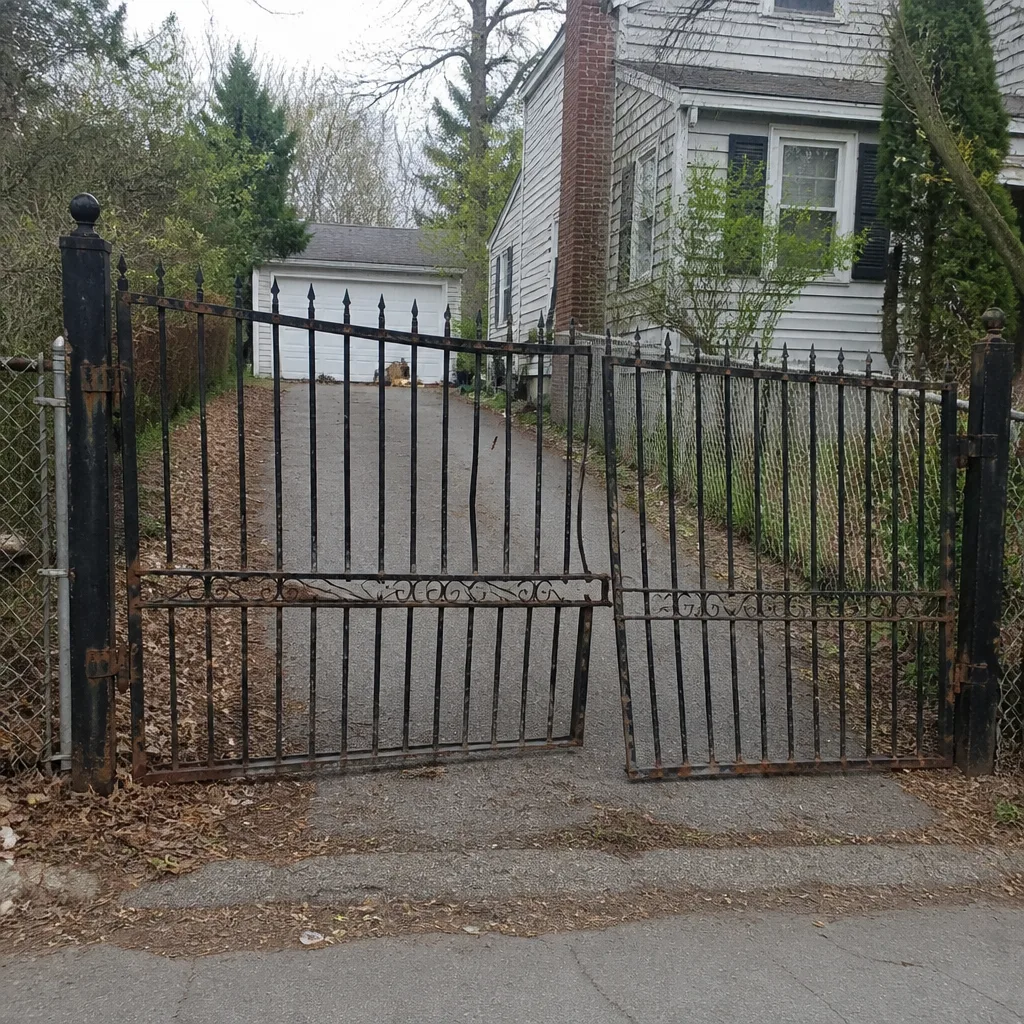 Before
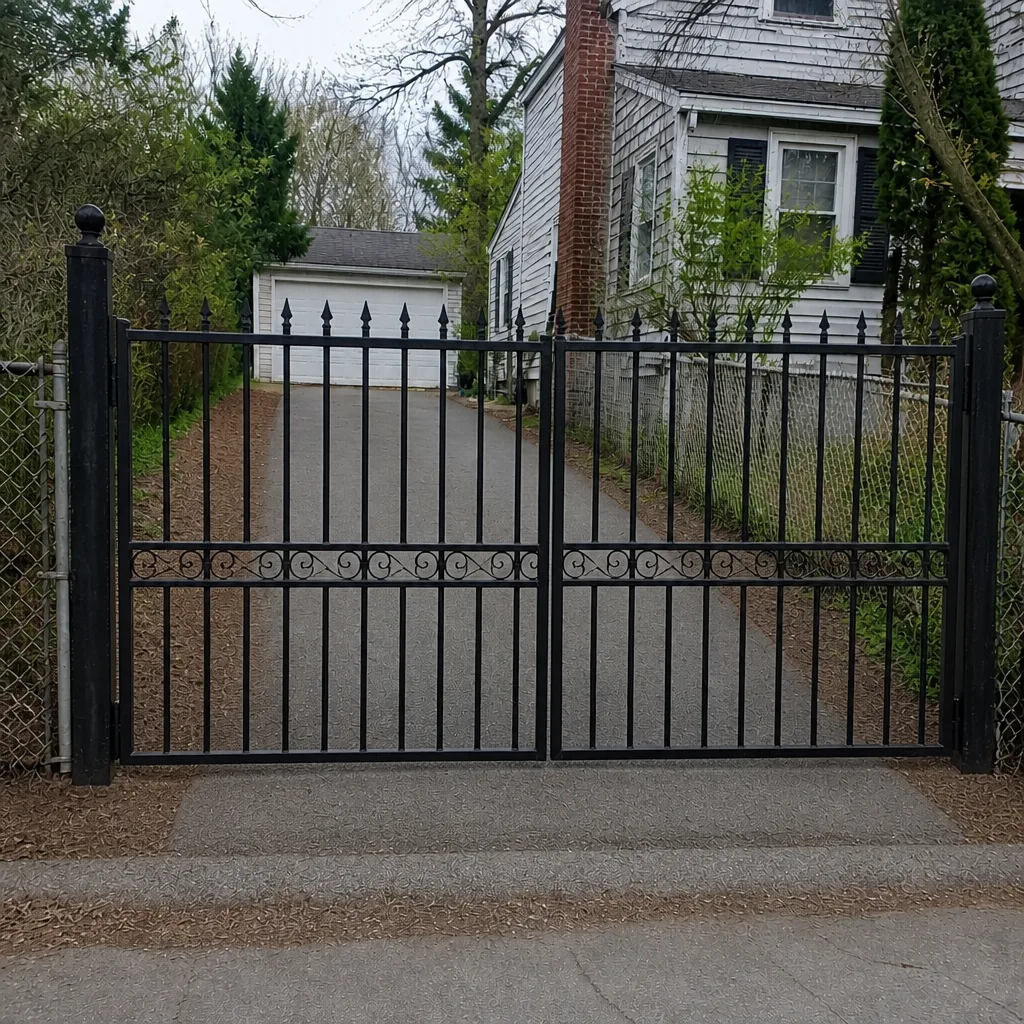 After
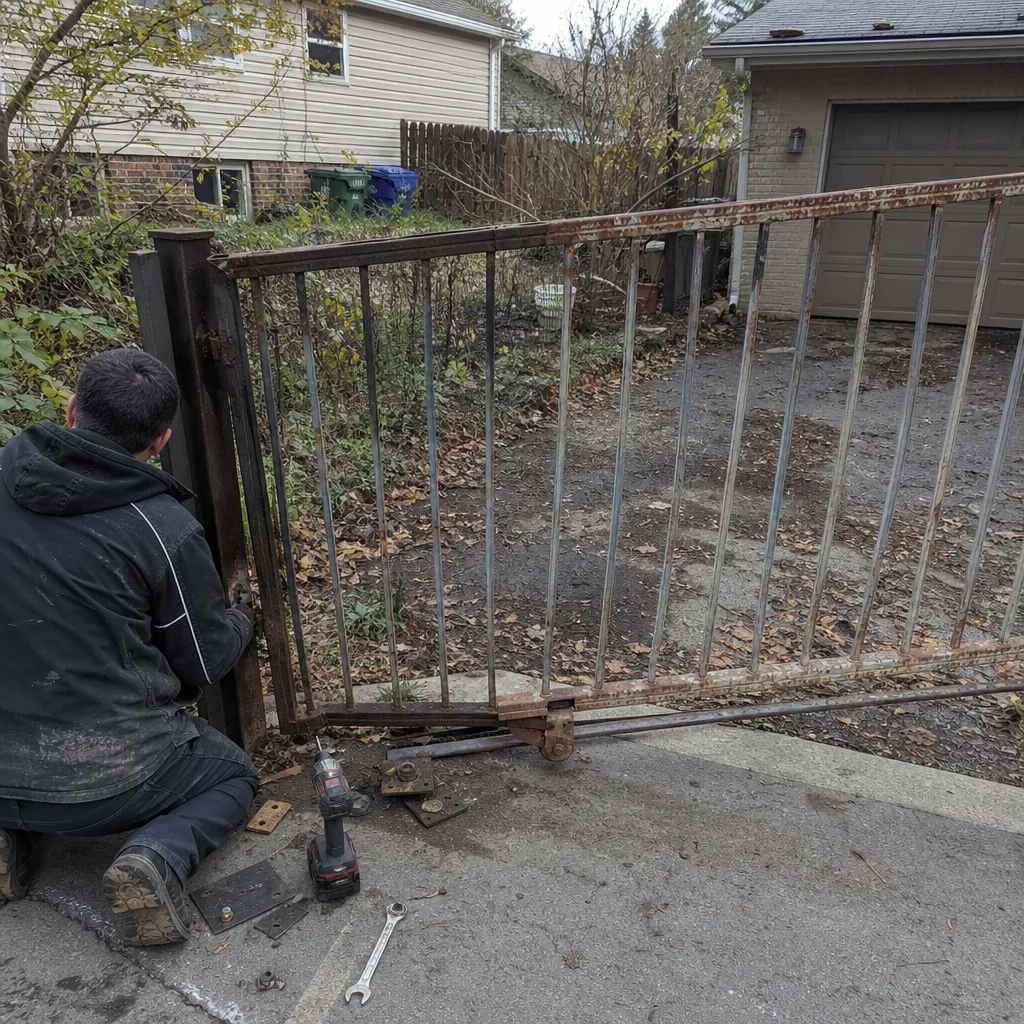 Before
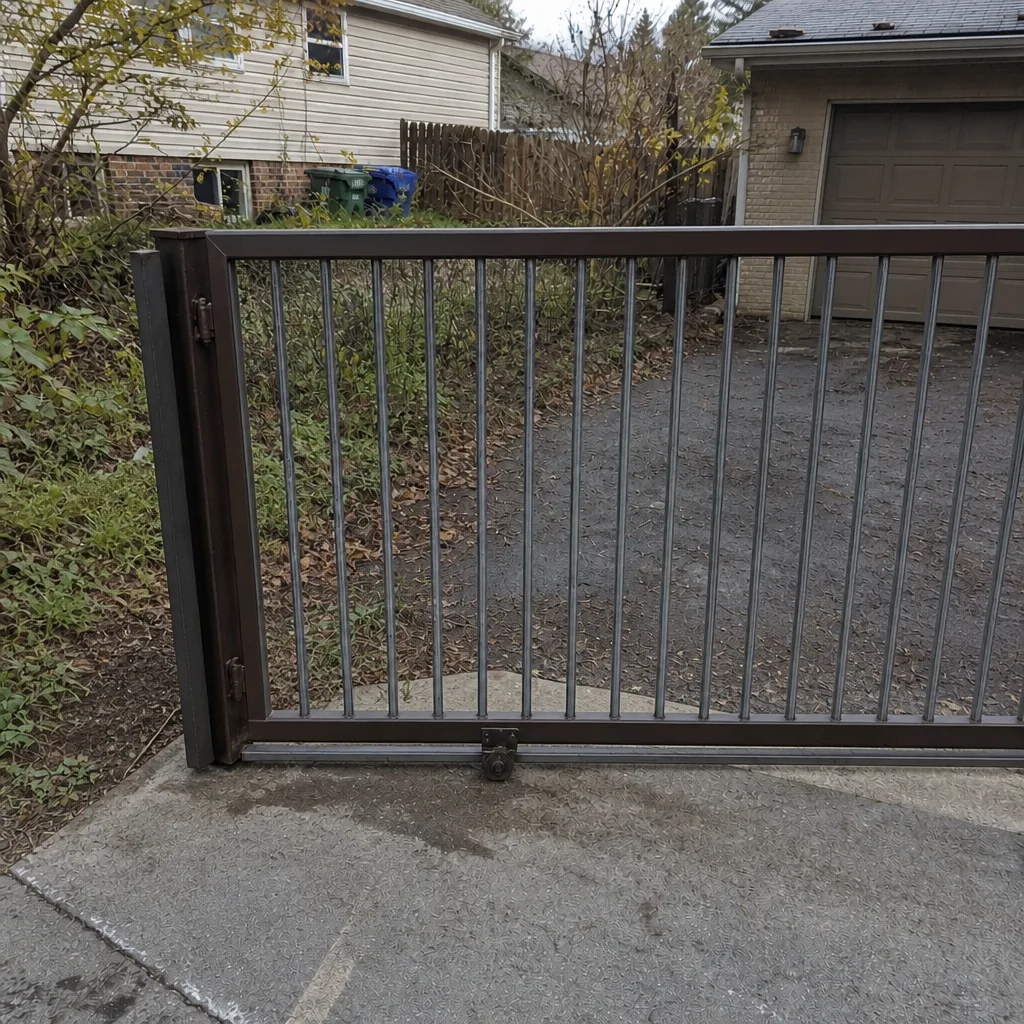 After
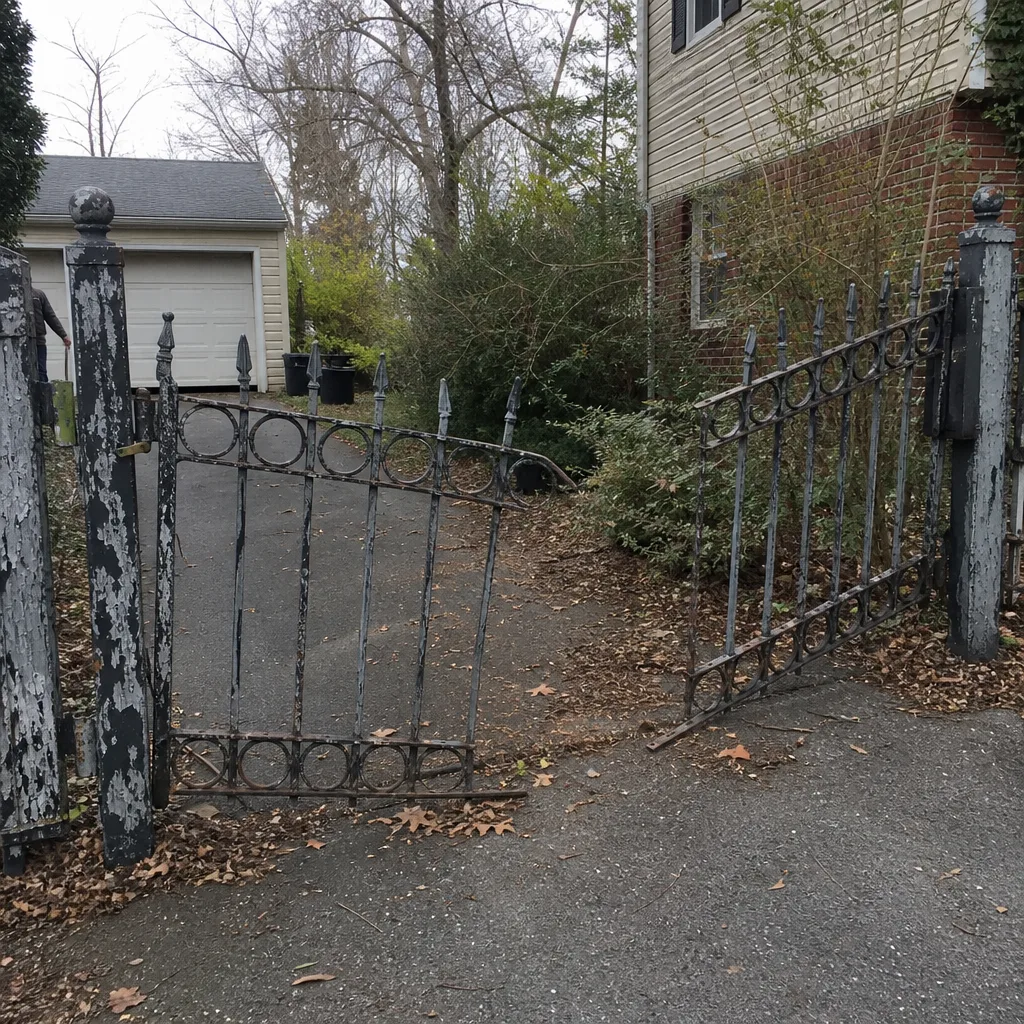 Before
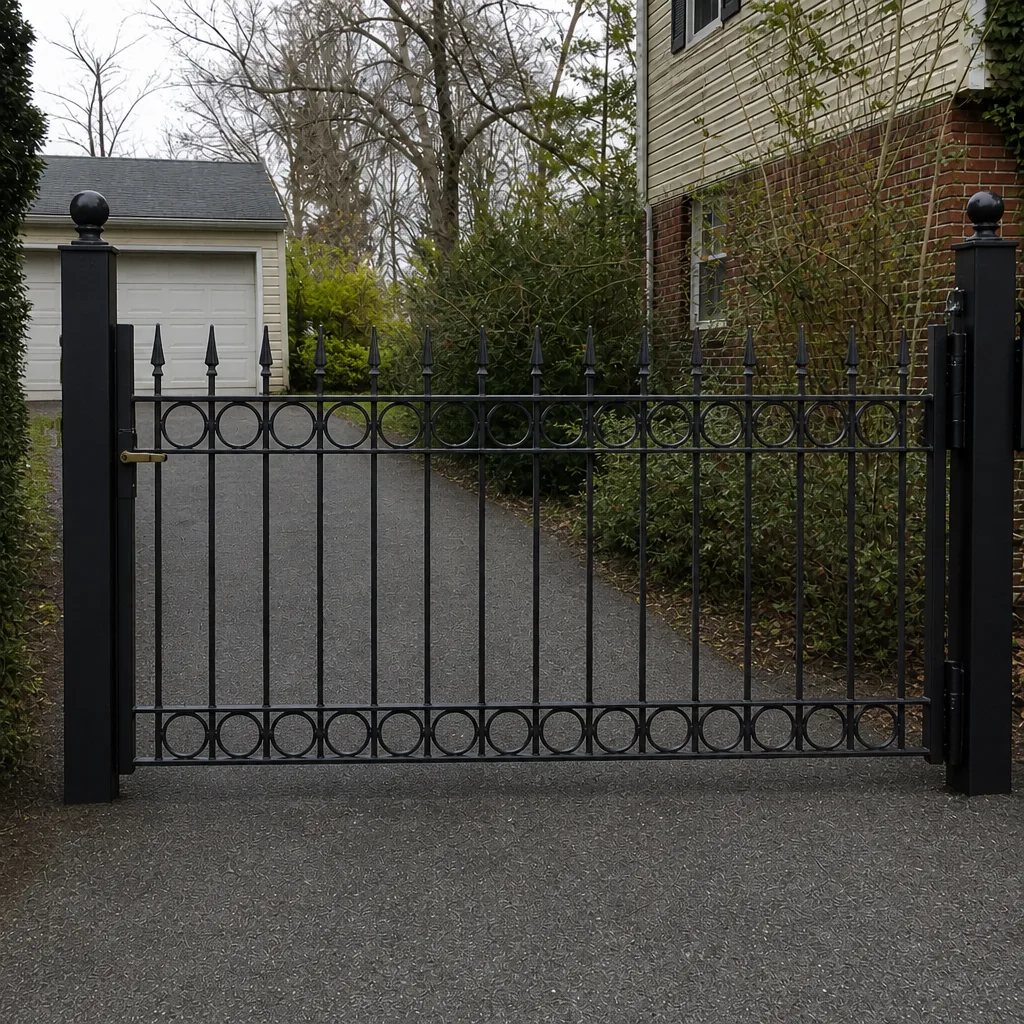 After
When to Call a Professional
Call a technician when the symptom is in the operator or the safety circuit rather than something you can watch, when the gate no longer reverses on contact, when the gate moves without a command, or when you smell burning, see scorching, or hear a rapid repeat flash from the control board. Call when a slide gate has jumped its track or a swing gate has a hinge pulling loose. And call when an intermittent fault has been running for weeks – the sooner a marginal part is diagnosed, the less it costs to fix. We work on your brand, from a stuck swing gate to a full access-control installation. Gate Repair Columbia offers free estimates in Columbia – call (866) 519-6885. We answer 24/7. Fast dispatch from 7am to 7pm, Sunday through Friday.
Frequently Asked Questions
The most urgent signs are a gate that no longer reverses on contact, a gate that moves on its own or fails to stay closed, burning smell or visible scorching at the operator, and physically damaged safety devices like photo-eyes or edge sensors. These are Tier 3 – stop using the gate and call. Call (866) 519-6885 for an exact quote – estimates are free.
A beeping operator or flashing fault LED usually indicates a fault state, not normal operation, and it should be checked even if the gate still moves. Count the flashes, note when they appear, and call – on a LiftMaster, FAAC, DoorKing, or any other brand, the flash sequence maps to a specific condition in its documentation, and the pattern is the fastest path to a diagnosis. Call (866) 519-6885 for a free estimate.
Operator symptoms involve the motor, control board, or safety circuit – beeping, flashing, inconsistent commands, reversing at the same point, or cycling without moving. Structural symptoms involve the leaf and its mounting – sagging, loose hinges, shifted posts, worn rollers, or a leaf off its track. The two need different fixes, and a specialist who confirms which side the fault is on avoids wasted visits. Call (866) 519-6885 for a free estimate.
Intermittent failures involve components that are marginal rather than failed, so a single test often misses them – a slightly misaligned photo-eye, a dirty limit switch, a control relay starting to stick, or a loose connection that fails under vibration. The fix starts with documentation: note when it happens, how often, and what makes it work again, then share that with the technician. Call (866) 519-6885 for an exact quote – estimates are free.
Brand-specific faults on electric and automated gates are best handled by a gate specialist who knows your system’s control logic and fault codes – a technician unfamiliar with your brand is learning on your gate. Manual gate problems still need a specialist to avoid misdiagnosis and unnecessary parts replacement. Call (866) 519-6885 for a free estimate.
We work on nine gate automation brands – LiftMaster, FAAC, BFT, Linear, Viking, Ghost Controls, DoorKing, Elite, and Mighty Mule – and on manual swing and slide gates as well. You won’t be turned away for having the “wrong” type of gate. Call (866) 519-6885 for an exact quote – estimates are free.
The Bottom Line
Warning signs are only useful if you can rank them. A clunk you can monitor, a grind you should schedule, and a gate that won’t reverse on contact that you should call about today are all “gate noises” – but they’re in different worlds when it comes to urgency and cost. Use the severity matrix, keep the operator-versus-structure distinction in mind, and write down the pattern before you call. That’s how you avoid both panicking over nothing and ignoring something expensive. Every estimate is free, and every price is quoted and agreed before any work starts.
If your gate is in Columbia and something on this list looks familiar, call Gate Repair Columbia at (866) 519-6885. We answer 24/7. Fast dispatch from 7am to 7pm, Sunday through Friday – get it back into its proper operating rhythm, from a stuck swing gate to a full access-control installation. Read more about what we do across the area on our Columbia page.
Written by the team at Gate Repair Columbia.