
Last updated November 15, 2026
 Wrought iron
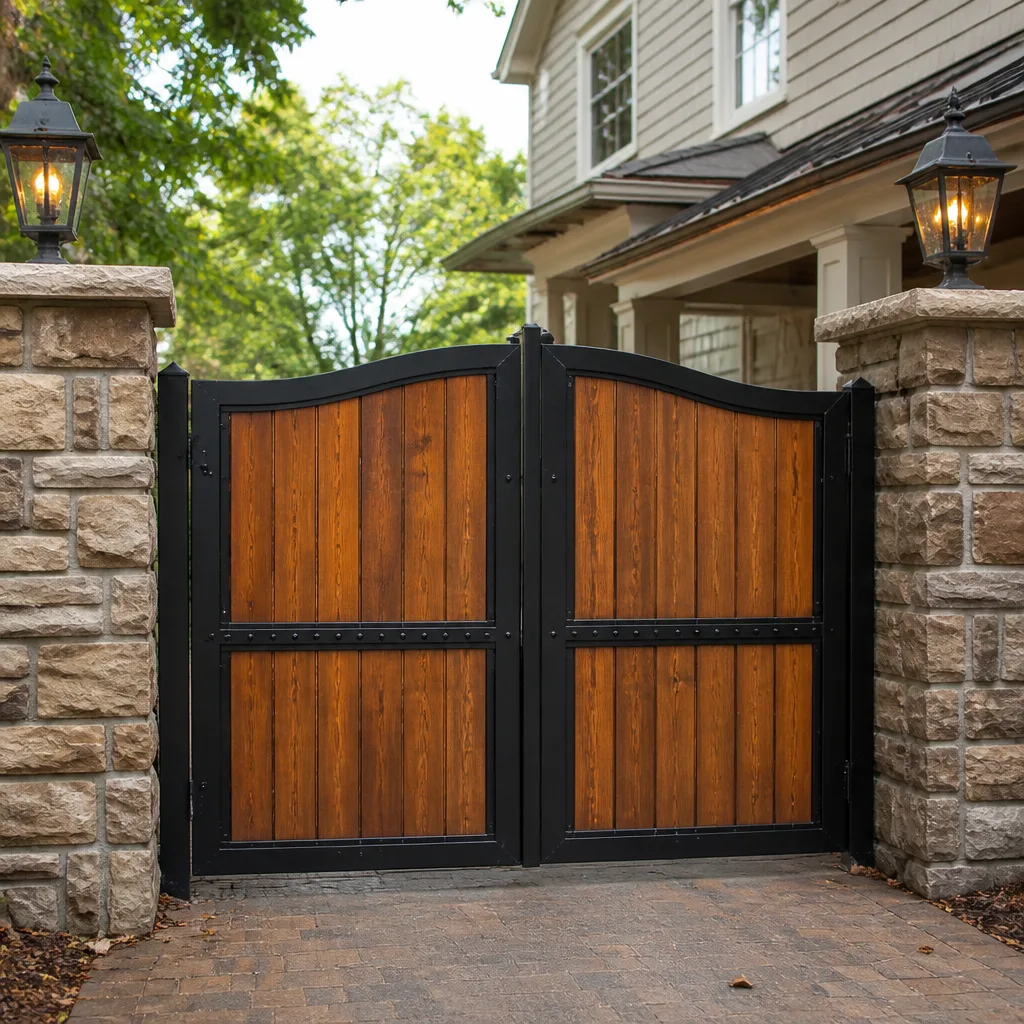 Wood & steel frame
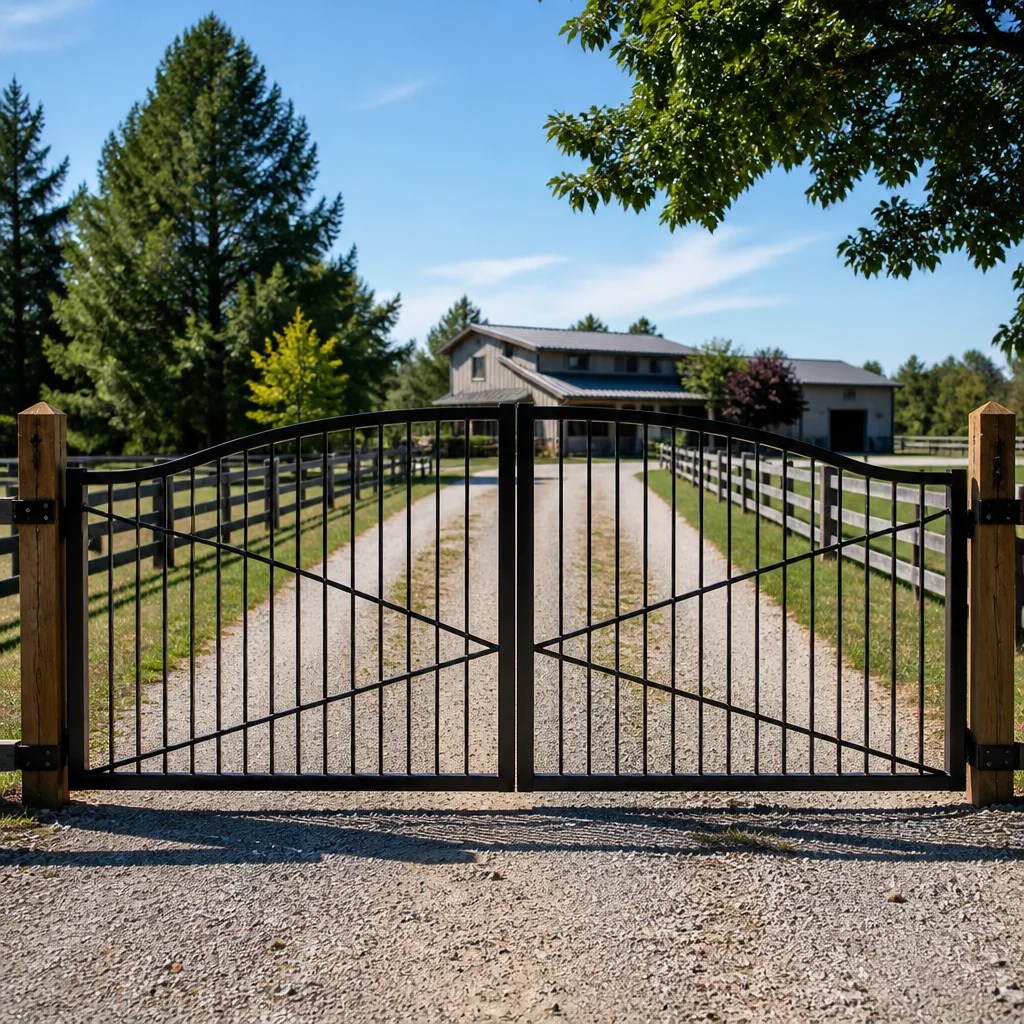 Farm & ranch
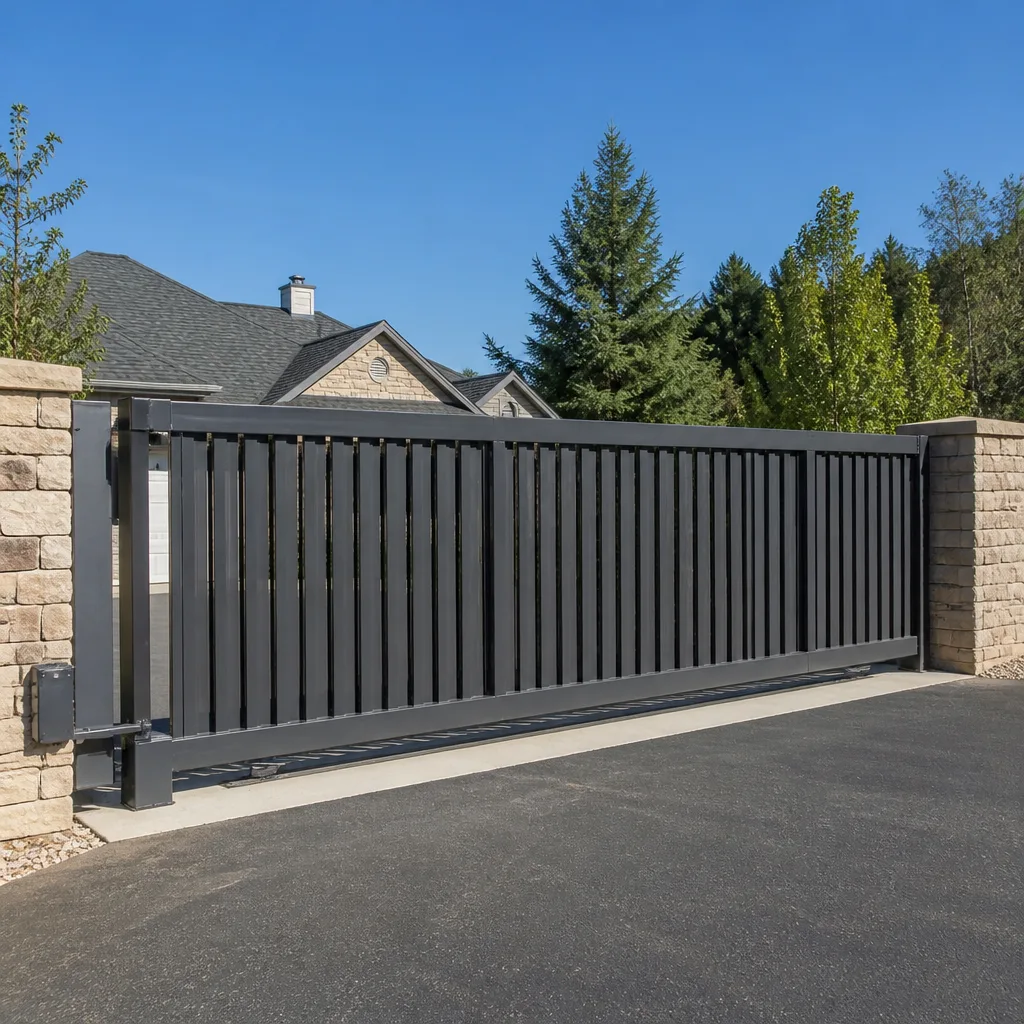 Sliding driveway gates
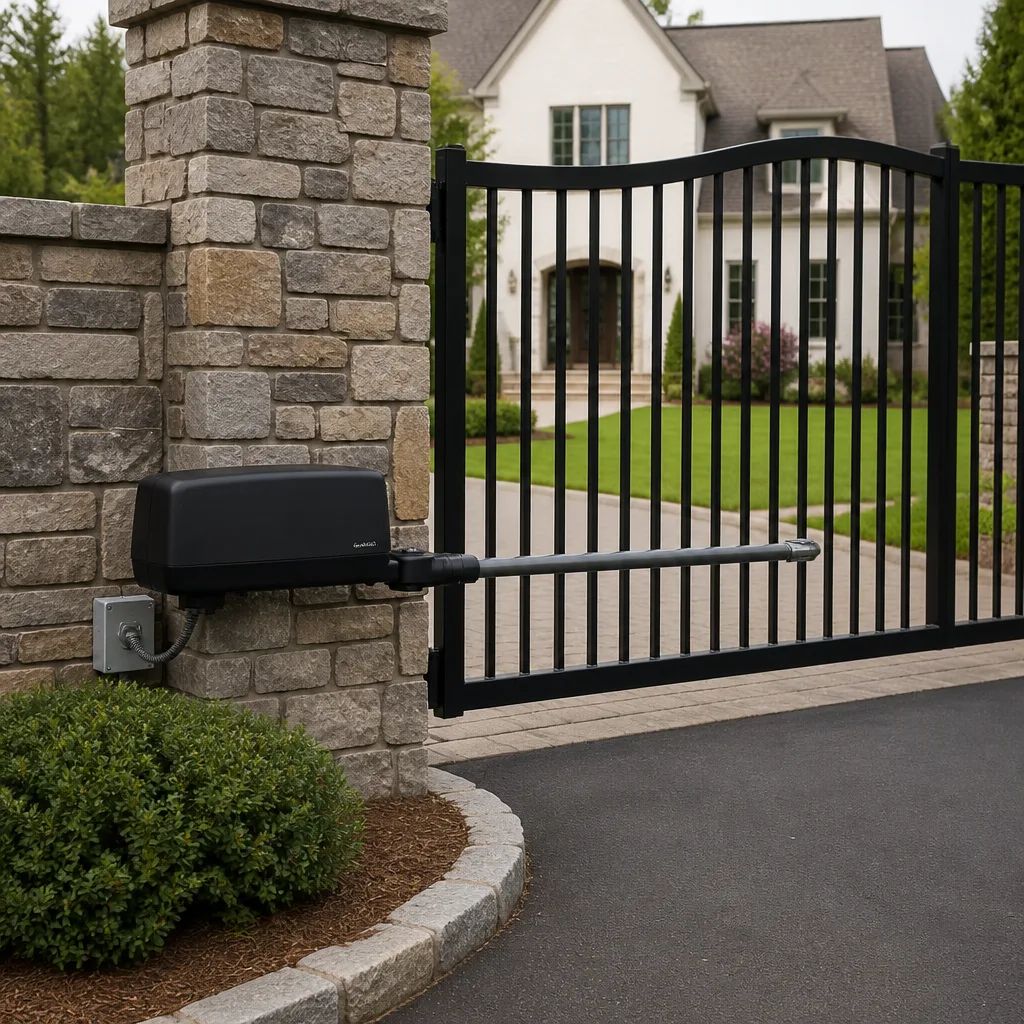 LiftMaster operators
Free on-site gate assessment - hinges, posts, and your LiftMaster or Nice gate operator checked before anything is quoted
The assessment is free and the quote is the invoice.
Get your free estimateSeasonal Gate Repair Care for Columbia: Year-Round Homeowner’s Guide
The gate that fails in January usually started degrading in October. That’s the part most homeowners miss. Gate systems don’t break on a single bad day; they accumulate stress quietly across months, and Columbia’s freeze-thaw cycle is what finally exposes it. A hinge that loosened in the fall, a battery that drifted below capacity in the cold, a control board baking through July – each one waits for the wrong moment to fail. The fix is not more repairs. It’s a routine timed to the seasons as they actually unfold here. This guide walks through what each season does to your gate in Columbia, how the damage from one season shows up as the failure in the next, and how to build a 12-month care calendar around it.
Styles & brands we work with
- Wrought iron
- Wood & steel frame
- Farm & ranch
- Sliding driveway gates
- LiftMaster operators
Quick Answer
Seasonal gate care in Columbia means matching maintenance tasks to the four seasons so small problems get caught before the next season makes them worse. Fall is for clearing debris and lubricating before temperatures drop. Winter is for watching how cold affects your operator type. Spring is for checking post alignment after freeze-thaw heaving. Summer is for inspecting control boards and solar systems under peak heat and UV. A gate serviced on this schedule usually lasts longer and costs less to repair than one fixed only when it stops working.
Table of Contents
- Why Seasonal Care Matters More Than You’d Think
- Fall: The Prep Season That Prevents Winter Failures
- Winter: How Cold Affects Hydraulic vs. Electromechanical Operators
- Spring: Post-Heave, Rust, and the Salt Spray Problem
- Summer: Heat, Control Boards, and Solar-Powered Systems
- Building Your 12-Month Care Calendar
- What You Can Check vs. What Needs a Technician
- Common Mistakes to Avoid
- When to Call a Professional
- Frequently Asked Questions
Why Seasonal Care Matters More Than You’d Think
The reason reactive repair costs more than routine care isn’t mysterious. It’s timing. When a gate fails after months of hidden degradation, the technician is diagnosing two problems at once – the immediate fault and whatever caused it – and often replacing parts that a simple check would have preserved. Seasonal maintenance is designed specifically to interrupt that chain before it completes.
Columbia sits in a climate with four genuinely distinct seasons, and each one stresses a gate system in a different way. Summer heat expands metal and stresses electronics. Fall introduces leaf debris, moisture, and the first cold snaps. Winter’s freeze-thaw cycles move the ground beneath posts and change how lubricants behave. Spring’s thaw reveals everything winter did, plus the salt spray thrown up by driveways and roads. No single annual tune-up catches all of this because the stresses don’t happen at the same time.
There’s a second reason seasonal care matters here, and it has to do with housing stock. Columbia’s neighborhoods include a wide mix of gate configurations – older manual swing gates, newer automated slide gates, HOA-entry systems with access control, and residential driveway gates running on brands like Ghost Controls or Mighty Mule. Each type responds differently to the same weather. A care calendar has to account for what kind of gate you actually have.
Our technicians have up to 9 years of experience, and much of what they do on service calls is undo the cost of missed seasons. A gate that would have needed a $40 bearing in October can need a motor and control board by February. That’s the pattern we’d like to help you break.
Fall: The Prep Season That Prevents Winter Failures
Fall is the most important season for gate maintenance because it’s the last window before cold weather locks in the conditions that cause winter failures. Everything done in September and October is essentially protecting the gate against what comes next. Miss it, and the bill shows up in January.
Here’s what fall care looks like for a typical Columbia gate:
- Clear the loop detector zone. If your gate uses an in-ground loop detector to sense approaching vehicles, leaves and debris packed over the loop can cause phantom triggering, false holds, or the gate refusing to close. Sweep the area periodically through fall and check that the loop’s protective seal hasn’t lifted.
- Lubricate before the cold sets in. Hinges, rollers, and moving arms need fresh lubricant while temperatures are still mild. Cold weather thickens grease and can make some lubricants nearly useless, so fall is the time to apply the right product – usually a light, cold-rated grease rather than a heavy one.
- Test battery backup capacity. Automated gates on brands like DoorKing or Elite often run on battery backup for power outages. Batteries lose capacity in cold weather even when they were fine in summer, so a fall load test catches a weakening battery before it leaves you locked out during a winter storm.
- Inspect the gate’s structure. Look for loose fasteners, sagging hinges, and any spot where the frame has started to rust. Fixing these now is cheaper than fixing them after a freeze.
- Trim vegetation back. Branches, vines, and bushes near moving parts can cause intermittent faults as they grow or shift in weather. Cutting them back in fall prevents obstruction issues during the season when nobody wants to be outside troubleshooting.
If you handle only one step, make it the battery test. Power failures are more common in winter storms, and a gate that runs on grid power without backup will simply be stuck if the power goes out. For more involved electrical or automation issues, our electric gate repair service covers operator diagnostics and battery systems across all the major brands we work with.
Winter: How Cold Affects Hydraulic vs. Electromechanical Operators
Winter is where the biggest difference shows up between operator types, and understanding which one you have tells you what to watch for.
Hydraulic operators use fluid to move the gate. In cold weather, hydraulic fluid thickens, which means the motor has to work harder to push the gate. This shows up as slower movement, groaning under load, and in severe cases a gate that stalls mid-travel. Hydraulic systems are also more sensitive to moisture contamination – if water has gotten into the fluid, cold temperatures can cause it to separate and cause erratic operation.
Electromechanical operators use gears and a motor. Cold affects them differently. The mechanicals themselves tolerate cold well, but the control board, sensors, and battery don’t. Cold reduces battery capacity, can cause the control board to reset unpredictably, and makes limit switches stiff and imprecise. You might see the gate stopping short, reversing unexpectedly, or failing to close fully.
When a gate freezes in position – common when ice builds up in the track of a slide gate or on the hinges of a swing gate – the safest move is not to force it. Forcing a frozen gate can strip gears, bend arms, or damage the operator. Clear ice carefully with a plastic tool, not metal, and let the gate sit until it’s fully free before running the operator. If the gate still won’t move once cleared, the problem is mechanical or electrical, and it’s time to call.
Winter is also the season where pre-existing problems get exposed. A hinge that had a hairline crack in October fails outright during a January cold snap. This is exactly the pattern the fall checklist is designed to prevent. If your gate is automated on a brand like FAAC or BFT, cold-weather behavior can be brand-specific, and a technician familiar with those systems can tell you quickly whether what you’re seeing is normal or a developing fault. Reach the team at Gate Repair Columbia if winter limitations turn into a stuck gate.
Spring: Post-Heave, Rust, and the Salt Spray Problem
Spring is the reveal season. Everything winter did to your gate becomes visible as the ground thaws and the weather warms. Two things dominate spring gate care in Columbia: post-heave and rust.
Post-heave and alignment. When the ground freezes and thaws repeatedly through winter, gate posts can shift. The post may lift slightly, tilt, or settle unevenly, and the effect on a gate is immediate – the gate drags, hits the post, or refuses to latch. On swing gates, heave usually shows up as a gate that no longer closes flush. On slide gates, it shows up as binding in the track or the gate pulling away from the guide. This is a structural issue, not an electrical one, and it needs to be fixed at the post – adjusting the operator won’t help if the post itself has moved.
Rust activated by road salt and driveway spray. Salt doesn’t fall from the sky in Columbia – it comes off treated roads and driveways. Spray from driveway snow-melt carries salt onto gate hardware, and that salt stays on the metal until spring rains wash it away. By then, it’s already started the corrosion process on hinges, welds, and any exposed steel. Spring is the time to inspect for rust blooming at joints and fasteners, clean the metal, and touch up any paint or coating that’s failed.
Other spring tasks worth doing:
- Clear the track of a slide gate of grit, sand, and debris washed in by winter.
- Re-test the loop detector to make sure winter freezing didn’t crack the seal.
- Run the gate through several full cycles and watch for hesitation, dragging, or uneven travel.
- Check the safety edges and photo-eye sensors – alignment can drift after a winter of ground movement.
If spring reveals rust or structural alignment issues that go beyond a simple adjustment, a routine gate repair visit can catch them before they worsen over summer. It’s much easier to correct misalignment in May than to deal with a gate that’s been dragging for three months and has worn down its rollers.
Summer: Heat, Control Boards, and Solar-Powered Systems
Summer is the season most homeowners ignore, because the gate is working and the weather feels benign. But peak heat and UV put their own stress on a gate’s electronics and power system – it just shows up as intermittent faults rather than dramatic failures.
Control boards. Heat is a control board’s quiet enemy. Enclosures that sit in direct sun can get much hotter than ambient air, and thermal stress accelerates component aging. Common summer symptoms include random resets, the gate failing to respond to remotes, or intermittent stops and starts. If your gate worked fine all winter and has started acting oddly in July, heat and the control board are the first things to check.
Solar-powered gate systems. If your gate runs on solar – common with brands like Ghost Controls – summer is the best season for it in terms of raw power, but it’s also when the system gets the hardest test. High heat can reduce panel efficiency even as solar irradiance peaks, and battery temperatures run high. Summer is a good time to check that panels are clean and unobstructed, that the battery isn’t overheating, and that the system is holding charge through the night. A solar gate that struggles in summer will struggle worse in winter, so catching any issues now buys you margin later.
Expansion and mechanical stress. Metal expands in heat. Slide gate tracks and swing gate arms often develop small misalignments during the hottest weeks, and these usually resolve on their own when temps cool. If a summer alignment issue doesn’t resolve, though, it’s worth fixing before winter.
One thing that’s not a summer-specific problem but is worth saying: for residents and HOA managers across Columbia, summer is the season when access-control systems get their heaviest use, since entry traffic peaks. If your gate is doing more cycles per day than usual, that’s more wear on the mechanicals. It’s not a reason to panic, but it is a reason to make sure the fall checklist isn’t skipped.
Building Your 12-Month Care Calendar
A seasonal gate care plan works best when it’s tied to actual Columbia climate patterns, not to a generic “check it every three months” schedule. Here’s a calendar you can adapt to your gate type and usage:
- Early fall (September-October): The big prep window. Clear loop detector zones, lubricate moving parts with cold-rated grease, test battery backup capacity, inspect for loose fasteners and early rust, trim vegetation.
- Late fall (November): Final tightening before hard freeze. Confirm batteries are holding charge, verify the control enclosure is sealed, and run the gate through several full cycles to catch anything developing.
- Winter (December-February): Watch-only mode. Clear ice carefully, don’t force a frozen gate, and listen for changes in noise or speed that suggest cold-weather stress. Hydraulic gates may run slower; if the slowdown is severe, call.
- Early spring (March-April): The reveal window. Check post alignment after freeze-thaw, inspect for rust from salt spray, clean and relubricate hardware, test the loop detector and safety edges.
- Late spring (May): Pre-summer tune-up. Run a full diagnostic cycle, verify all sensors, check the control board enclosure for moisture intrusion from spring rains.
- Summer (June-August): Electronics and solar check. Inspect the control board, clean and inspect solar panels on solar-powered systems, watch for intermittent faults that suggest heat stress.
- Year-round: Any time the gate behaves differently than usual – slower, noisier, hesitant – write it down and have it checked. Small behavioral changes are the earliest and cheapest warnings you’ll get.
For HOA managers overseeing entry gates at community entrances, the same calendar applies with higher frequency. An entry gate cycling dozens of times a day accumulates wear faster than a residential driveway gate, and heat, cold, and debris hit automated access systems harder. If your property runs on DoorKing or a similar access-control brand, treat the fall checklist as non-negotiable.
What You Can Check vs. What Needs a Technician
Not every task on this guide needs a service call, and knowing where the line is helps you decide what to handle yourself and what to schedule with a technician.
Homeowner-appropriate tasks:
- Sweeping debris out of loop detector zones and slide gate tracks.
- Visual inspection of hinges, fasteners, and structural components.
- Trimming vegetation back from moving parts.
- Applying lubricant to accessible hinges and rollers with a cold-rated product.
- Cleaning solar panels and clearing snow or ice carefully from key moving points.
- Listening for unusual noises and noting behavioral changes.
Tasks that need a professional:
- Any work inside the operator housing or on the control board.
- Battery backup testing and replacement on automated systems.
- Post realignment and any structural work affecting gate alignment.
- Diagnosing intermittent electrical faults and sensor issues.
- Repair or adjustment of the safety edges and photo-eye sensors.
- Any situation where the gate won’t run at all.
The reason we draw this line clearly is safety. Electrical components on an automated gate carry real shock risk, and heavy gate panels and hardware can seriously injure someone unfamiliar with their weight and movement. A gate that’s frozen in place or operating erratically is not something to force – it’s something to have looked at by a technician trained on the system.
Common Mistakes to Avoid
- Skipping the fall battery test. A battery that passed summer easily fails when cold hits, and the failure usually shows up during a winter power outage – the worst possible time. Test it in fall when the fix is easy.
- Applying the wrong lubricant in cold weather. Heavy grease thickens and can actually bind moving parts below freezing. Use a cold-rated lubricant that’s intended to stay fluid at low temperatures.
- Forcing a gate that’s frozen in place. Pushing a frozen gate open or closed can strip gears, bend arms, and damage the operator. Clear the ice and wait; if it still won’t move, call.
- Ignoring spring post-heave. A gate that’s begun dragging after winter is telling you the post has shifted. Adjusting the operator hides the symptom without fixing the cause, and the wear continues.
- Treating summer heat faults as random. Intermittent control board behavior in mid-summer is a heat-related pattern, not bad luck. It’s a cheap diagnosis when caught early and an expensive replacement when left.
- Using a generalist for a brand-specific issue. Gate repair is a narrow specialty, and a technician unfamiliar with your brand’s systems can easily misdiagnose or suggest a replacement you don’t need. We recommend staying with a gate-only specialist who knows your brand, whether that’s LiftMaster, Viking, Linear, Elite, Mighty Mule, or any of the other systems we work with.
- Letting road salt sit on gate hardware all winter. Salt spray off driveways and treated roads accelerates rust, and by the time the rust is visible in spring it’s already begun. Rinse and inspect hardware after heavy salting and check for corrosion as soon as spring arrives.
When to Call a Professional
Seasonal care prevents most emergency calls, but some situations need a technician regardless of the calendar. Call if your gate fails to run at all, if it’s become impossible to close or open fully, if it makes loud or grinding noises that weren’t there before, if the operator runs but the gate doesn’t move, if safety sensors won’t clear or align, or if you’ve had a power outage and the gate won’t recover. Call also if your gate has started behaving differently after a season change and the behavior hasn’t resolved once the weather settled. Those are the patterns that, caught early, are easy fixes – and caught late, are motor and control board replacements. Gate Repair Columbia offers free estimates in Columbia – call (866) 519-6885. We answer 24/7. Fast dispatch from 7am to 7pm, Sunday through Friday.
Frequently Asked Questions
The fall battery backup test is the highest-value task you can do, because cold weather reduces battery capacity at the same time it increases the likelihood of power outages. Testing in fall catches a weak battery when replacement is simple. For exact scheduling, call (866) 519-6885 – estimates are free.
Cold doesn’t damage a gate directly – it exposes existing stress. Freeze-thaw movement shifts posts, thickens lubricants, and reduces battery and sensor performance, but the underlying faults were usually there before the cold arrived. If your gate comes out of winter needing repair, the problem started earlier than winter. Call (866) 519-6885 to get it diagnosed.
Hydraulic operators run noticeably slower in cold because hydraulic fluid thickens and the motor has to work harder. Electromechanical operators usually don’t slow down much themselves, but their control boards and limit switches can become erratic. Some slowdown is normal; severe or stalling behavior needs a technician. Call (866) 519-6885 for a free estimate.
Post-heave shows up as a gate that no longer closes flush, drags against the post, binds in the track, or refuses to latch cleanly. It’s a structural issue that won’t resolve by adjusting the operator. Have the post aligned and rechecked before summer wear compounds the problem. Call (866) 519-6885 to schedule an on-site estimate.
Yes. Summer is peak production season for solar-powered gates, but heat can reduce battery and panel efficiency, so summer inspections matter. Clean panels, verify battery performance, and watch for intermittent faults that suggest overheating. If your brand-specific solar system isn’t holding charge, call (866) 519-6885 for a free estimate.
We don’t recommend it for anything beyond surface cleaning and visual inspection. Gate systems – especially automated ones with brand-specific control logic – benefit from a gate-only specialist who knows the system rather than learning it on-site. For maintenance or diagnosis on any major automated brand, call (866) 519-6885. Estimates are free.
The Bottom Line
Columbia’s four seasons each stress a gate system differently, and the damage from one season becomes the failure in the next. Fall preparation, winter observation, spring inspection, and summer electronics care form a cycle that catches problems at the cheap stage instead of the expensive one. Tie your care calendar to the actual climate here rather than a generic schedule, and use a gate-only specialist for anything beyond surface checks. If you want help building that routine around your specific gate and operator, our team can set it up. Gate-only focus, brand-specific diagnosis, and a written estimate before any work begins are how we keep gates in Columbia operating the way they should.
We work with manual swing and slide gates, automated operators, and access-control systems across residential and commercial properties. From a stuck swing gate to a full access-control installation, it’s all the same visit and the same specialist. We’ve seen these patterns on LiftMaster, FAAC, BFT, Linear, Viking, Ghost Controls, DoorKing, Elite, and Mighty Mule systems, and we diagnose by system knowledge rather than guesswork. When you’re ready to get your gate back in motion, call (866) 519-6885 for a free estimate. We answer 24/7. Fast dispatch from 7am to 7pm, Sunday through Friday.
Written by the team at Gate Repair Columbia.
See the difference
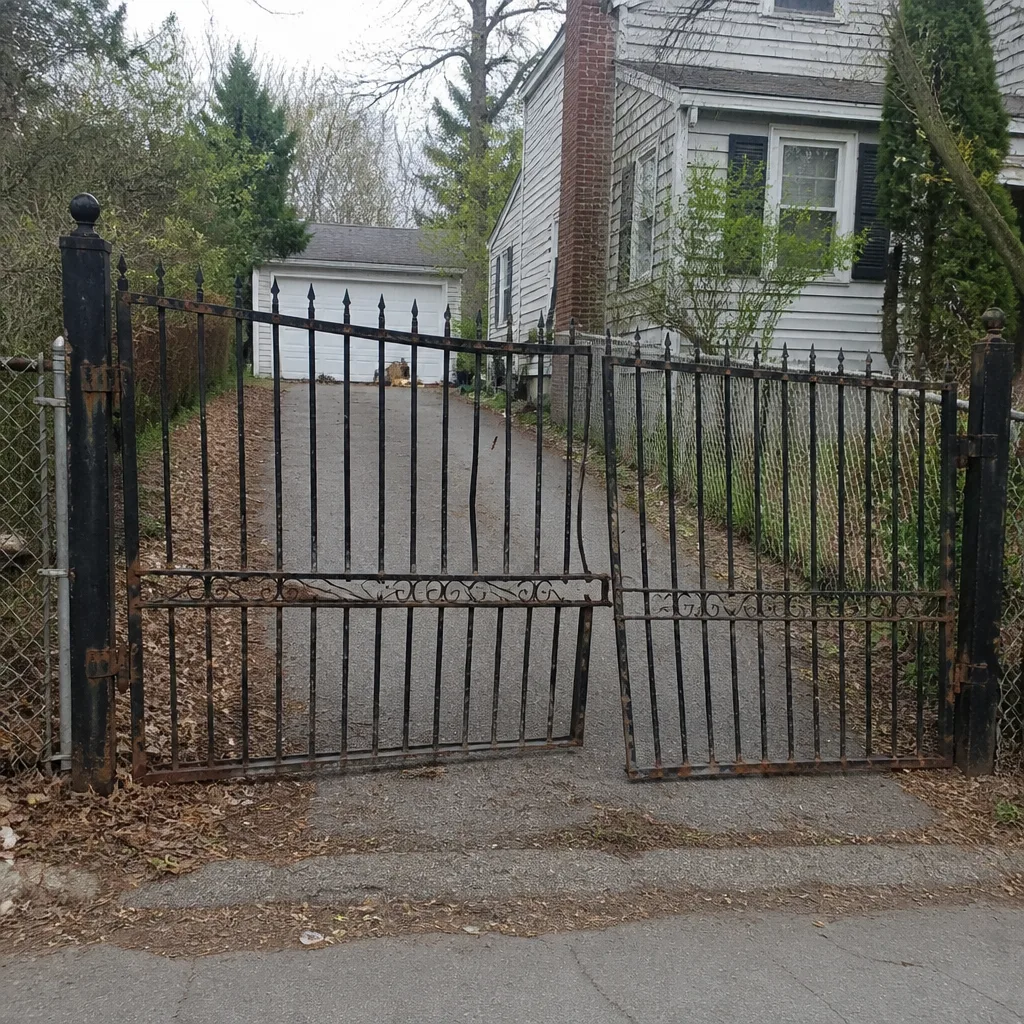 Before
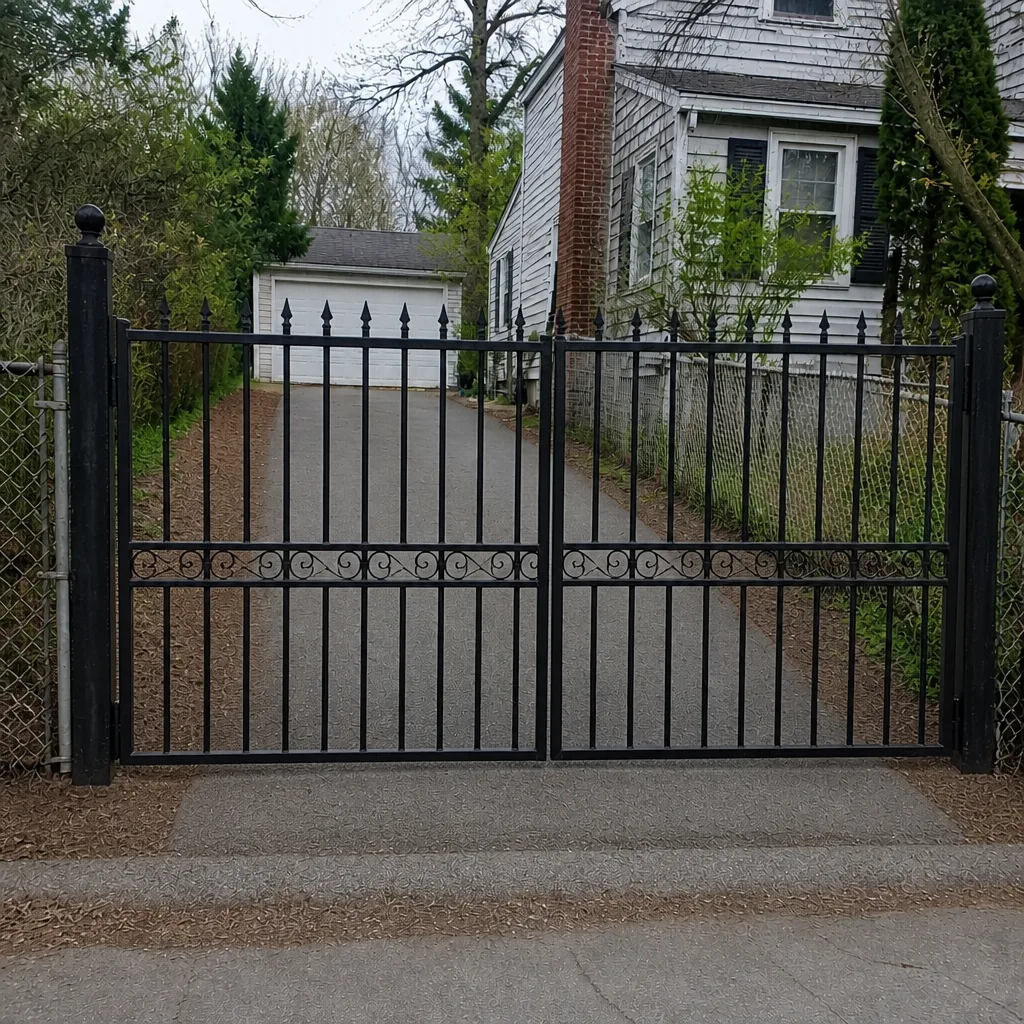 After
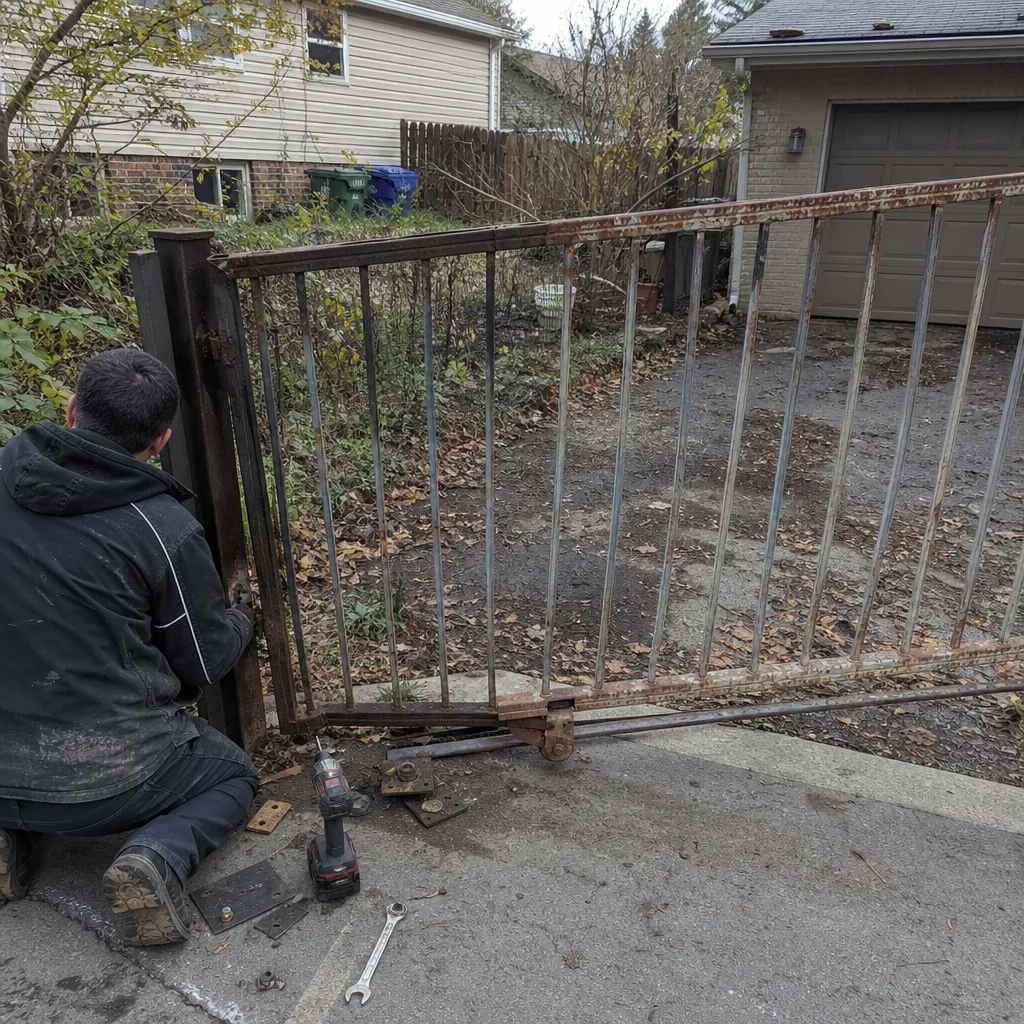 Before
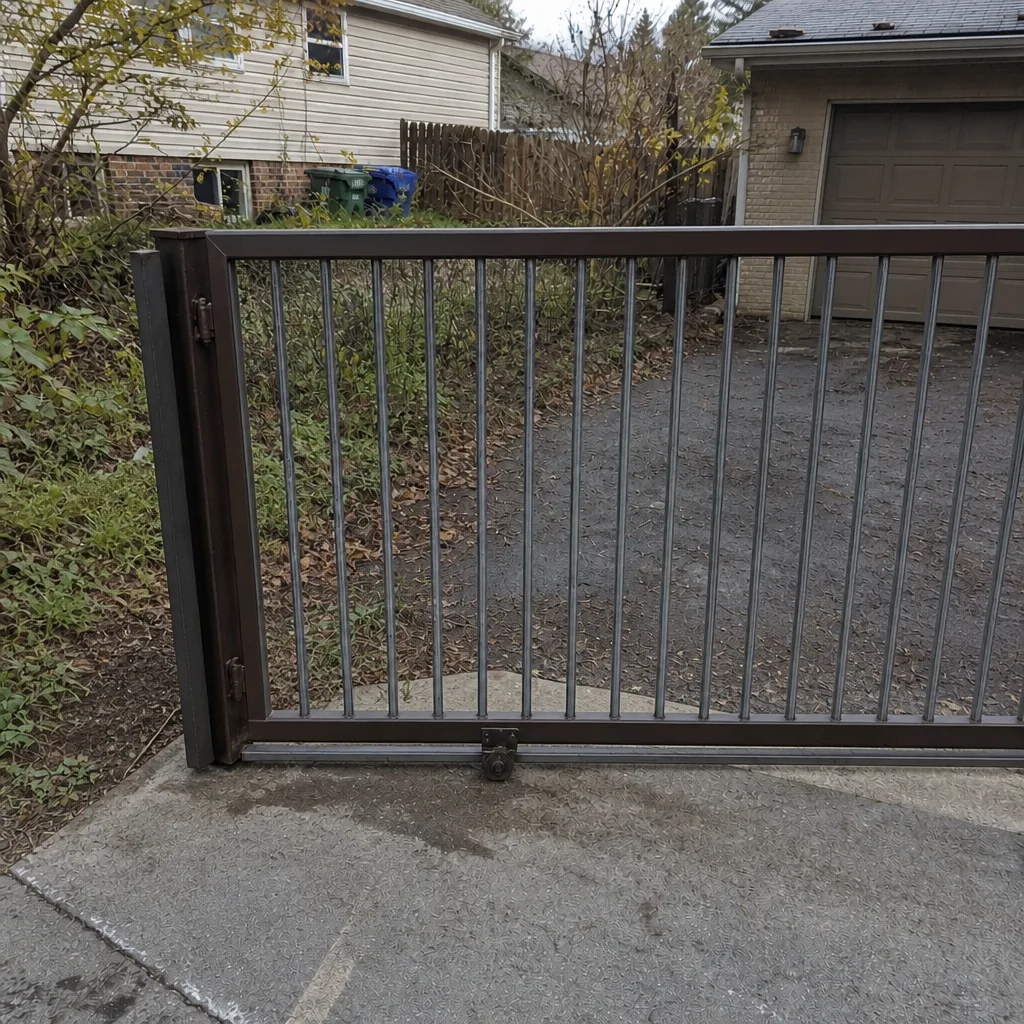 After
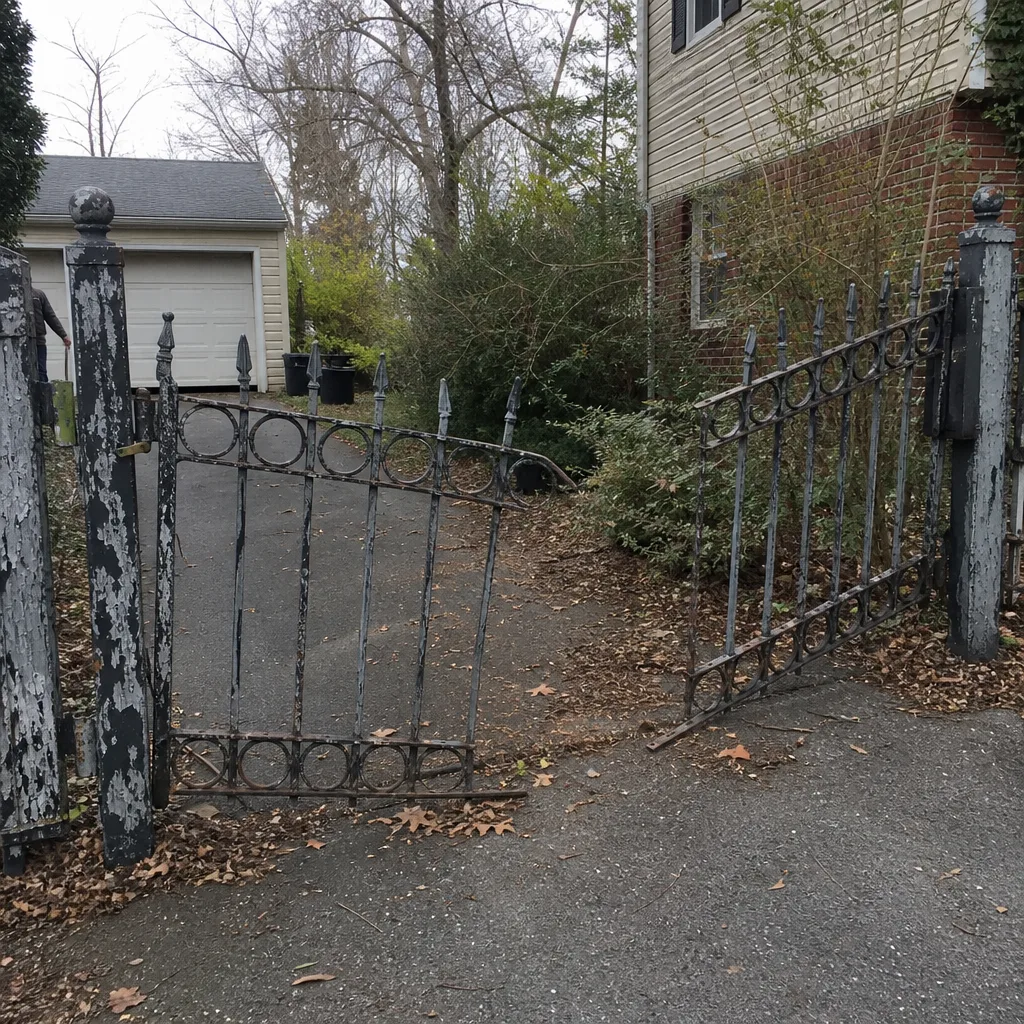 Before
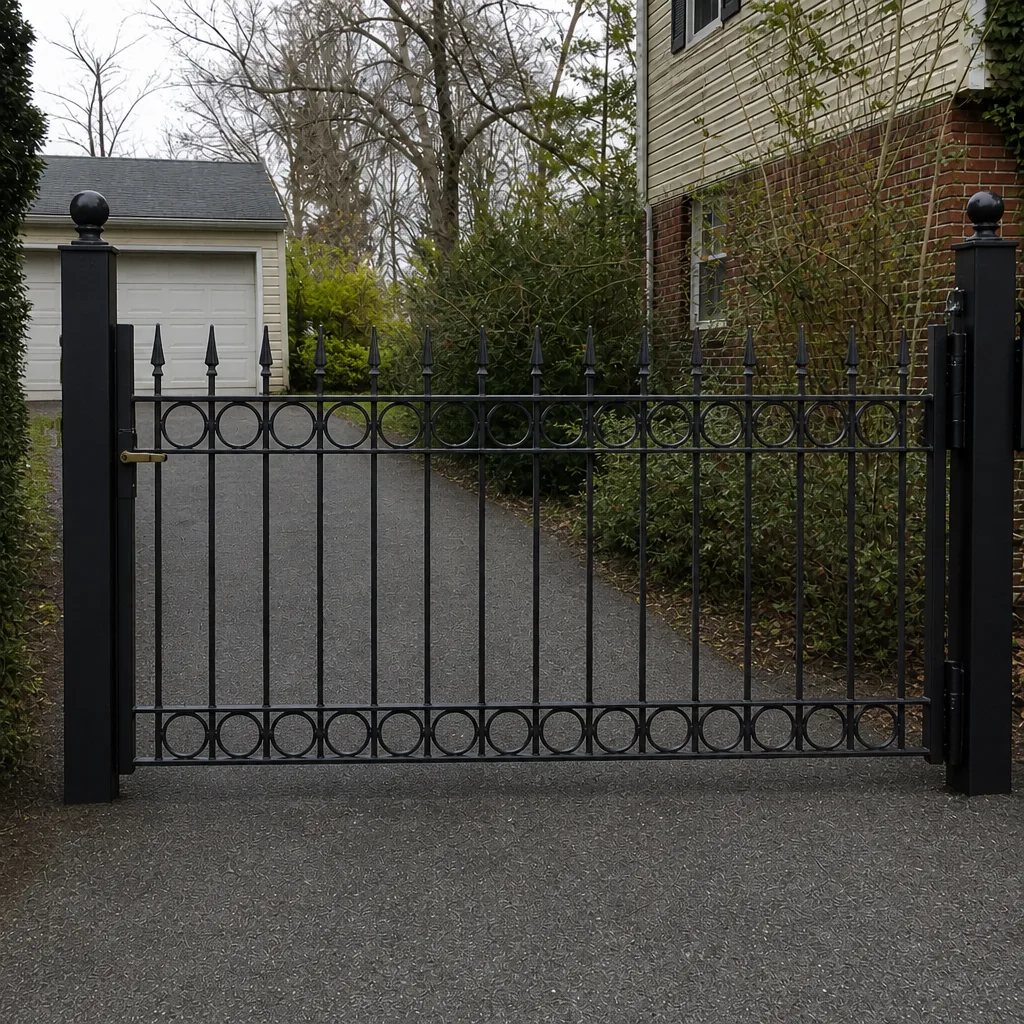 After