
Last updated November 15, 2026
 Wrought iron
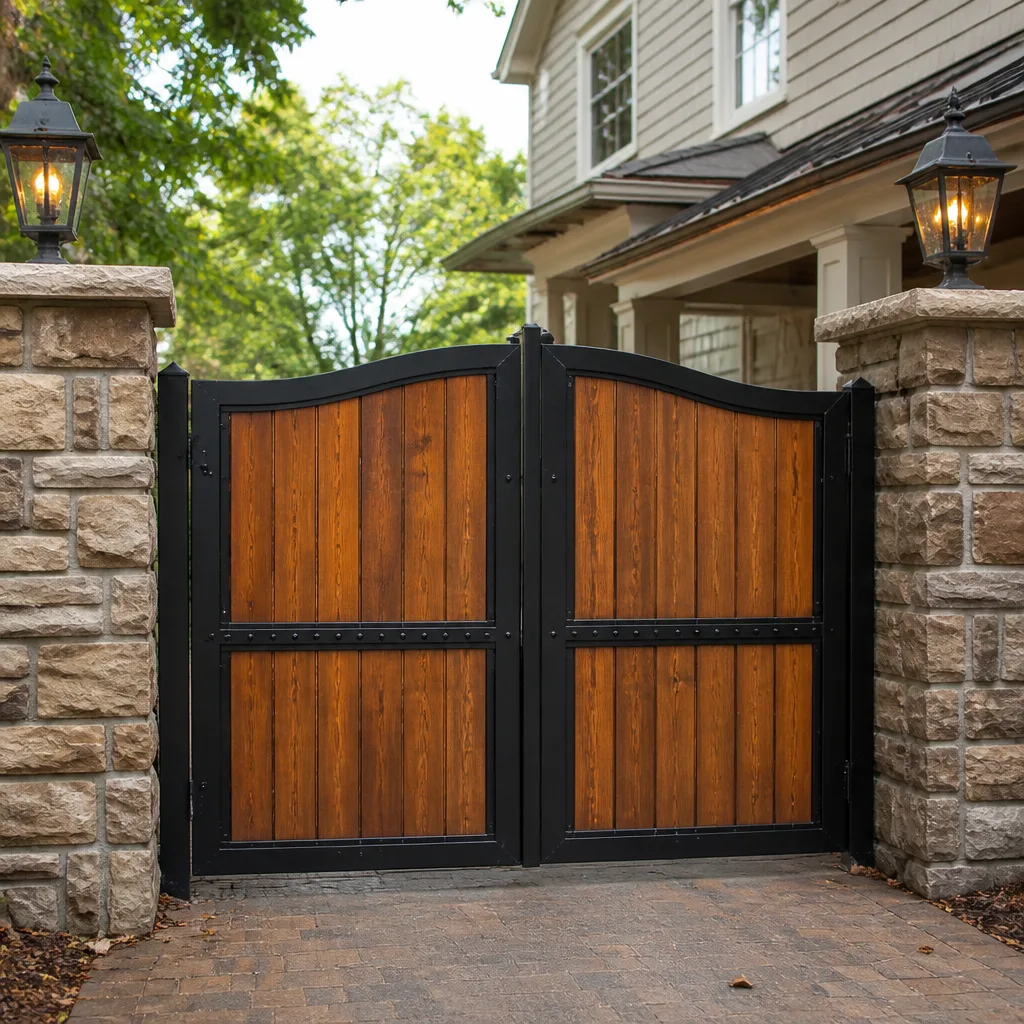 Wood & steel frame
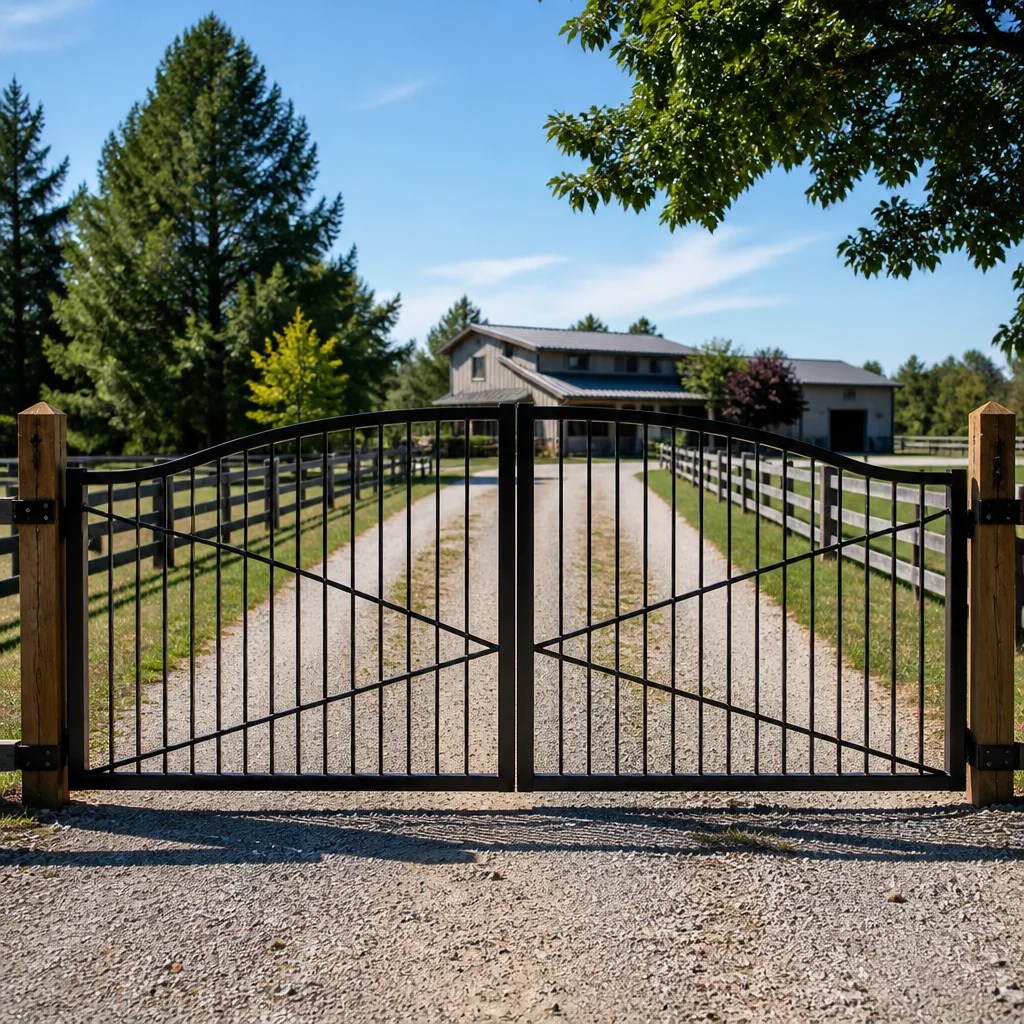 Farm & ranch
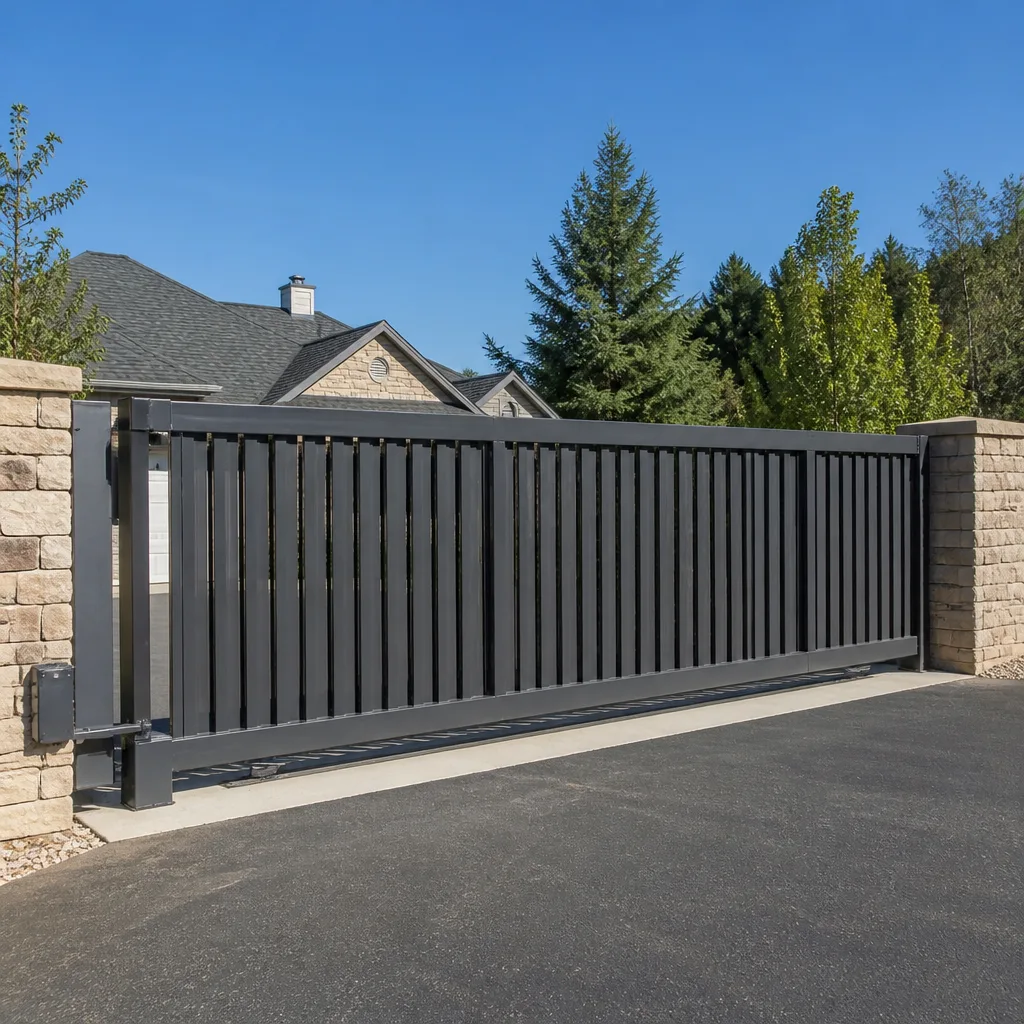 Sliding driveway gates
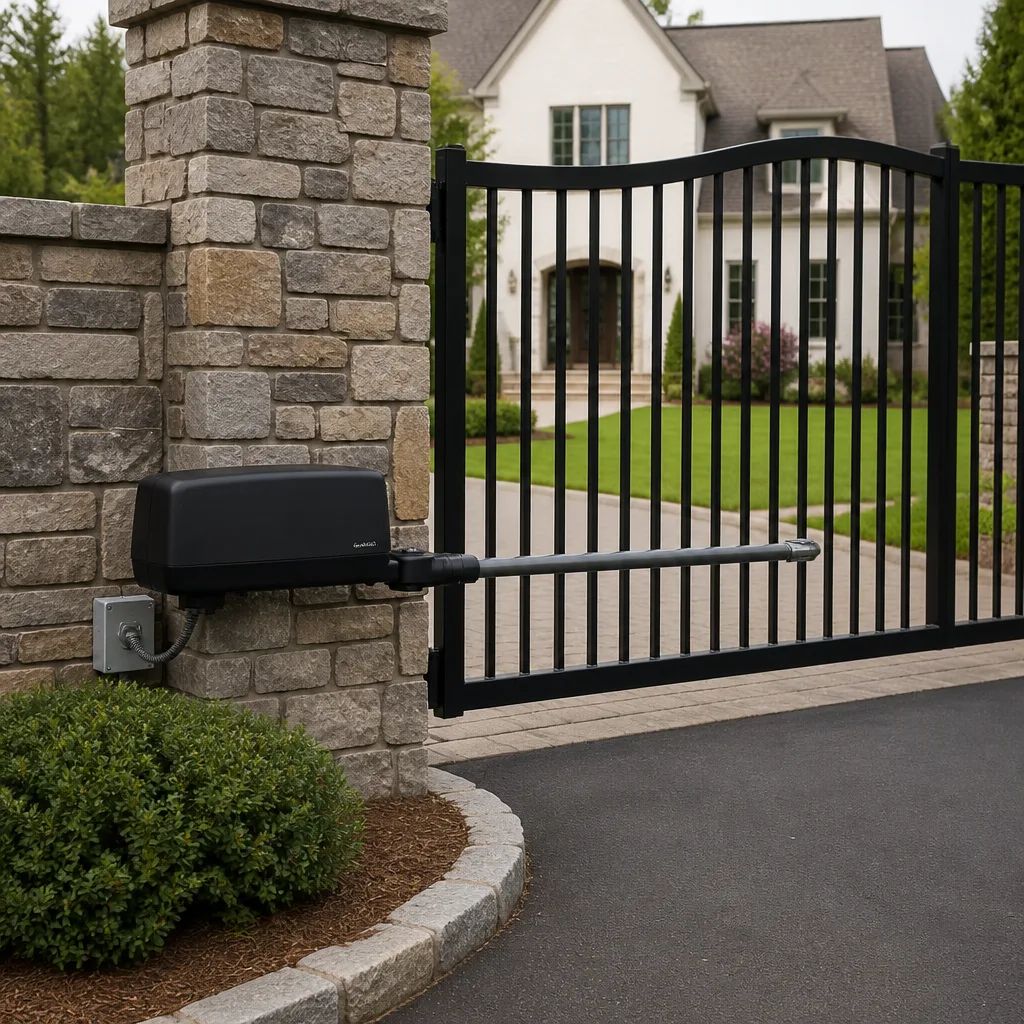 LiftMaster operators
Free on-site gate assessment - hinges, posts, and your LiftMaster or Nice gate operator checked before anything is quoted
The assessment is free and the quote is the invoice.
Get your free estimateDIY vs Professional Gate Repair: The Columbia Homeowner’s Decision Guide
Two repairs can look identical from the driveway and carry wildly different risk. Tightening a sagging hinge or clearing a photo-eye lens is a reasonable afternoon project. Opening the control box on an older FAAC operator without a wiring diagram is how a working board becomes a dead one. The gate doesn’t tell you which category you’re in, and that’s the trap. This guide separates the mechanical side from the electrical side, lists what’s genuinely homeowner-appropriate, and shows where a technician earns the call. If you’re weighing DIY gate repair versus professional help in Columbia, this is the breakdown we wish more homeowners had before they picked up a screwdriver.
Quick Answer
Most manual gate repairs are reasonable DIY projects: hinges, latches, rollers, physical alignment, and clearing debris from a track. Almost everything inside an electric operator is not, because 120V wiring, stored capacitor charge, and brand-specific programming carry real injury risk and can void your manufacturer warranty. If your gate is automated and the problem is electrical or control-related, a gate technician is the safer and usually cheaper path. Call (866) 519-6885 for a free estimate if you’re unsure which side your repair falls on.
Styles & brands we work with
- Wrought iron
- Wood & steel frame
- Farm & ranch
- Sliding driveway gates
- LiftMaster operators
Table of Contents
- The Mechanical Side vs the Electrical Side
- Repairs That Are Genuinely Homeowner-Appropriate
- Repairs That Need a Technician Every Time
- Why Electrical Gate Components Are Higher-Stakes Than You Think
- How DIY Affects Your Operator Warranty
- The Hidden Cost of DIY Misdiagnosis
- Tools and Documentation You Need Before Touching Anything
- What’s Different About Gate Repair in Columbia, MD
The Mechanical Side vs the Electrical Side
A gate system is really two separate machines bolted together. The mechanical half is the gate itself: frame, hinges, rollers, track, latch, and post. The electrical half is the operator, the control board, the safety devices, and the wiring that connects them. They fail for different reasons and they hurt you in different ways. Understanding that split is the entire decision framework.
The mechanical side is forgiving. If you adjust a hinge wrong, the gate sags and you adjust it again. If a roller binds, you swap it. The worst outcome of a mechanical mistake is usually a gate that still works poorly, which is roughly where you started. This is why so much manual gate repair is genuinely within reach for a careful homeowner with basic tools.
The electrical side is not forgiving in the same way. A control board doesn’t sag; it fails outright. Wiring mistakes can damage components that cost several hundred dollars to replace, and the stored charge in a capacitor can shock you even after the power is off. Opening a wet control enclosure during a humid Maryland summer adds another variable. We’ve seen this pattern on electric gate repair calls repeatedly: the homeowner started with good intentions, damaged a component, and the job got more involved than it needed to be.
So the first question isn’t “am I handy enough?” It’s “which machine is broken?” Answer that honestly and the decision mostly makes itself.
Repairs That Are Genuinely Homeowner-Appropriate
These are the tasks where a careful homeowner with the right tools can reasonably work. They’re mechanical, they’re visible, and a mistake costs time rather than safety.
- Adjusting a gate that drags or rubs. Look for a hinge that’s worked loose, a roller that’s worn flat, or debris packed into a track. Inspect, clear, and tighten.
- Replacing a worn hinge or latch. Manual swing and slide gates use standard hardware. Match the part, support the gate, and swap it.
- Clearing a slide gate track. Leaves, gravel, and grit are the most common reason a slide gate binds. Sweep and inspect.
- Straightening a slightly misaligned gate. Small alignment adjustments at the hinge or roller are fair game. If the post itself is moving, stop; that’s structural.
- Cleaning photo-eye lenses and reflector targets. A dirty safety sensor will stop a gate from closing and looks like a bigger fault than it is. Wipe the lenses first.
- Clearing the swing path. A gate that reverses mid-cycle because a branch or toy tripped the sensor is not broken. Check the path before you assume a control issue.
- Adjusting a gate’s travel limit. On most operators this is a documented, low-risk setting change. Adjusting travel limits is a routine first-line check, though it’s one of the few electrical-panel tasks we still suggest confirming against the operator’s own manual first.
Everything above is mechanical or an interface-level setting. Notice what’s absent: nothing that requires opening a live control enclosure, testing a capacitor, or rewiring a motor.
Repairs That Need a Technician Every Time
These are the repairs where the risk profile changes entirely. This isn’t about skill; it’s about what a mistake does.
- Anything touching 120V wiring. The operator is tied into line voltage. Opening that enclosure without shutting the circuit properly is a shock hazard, full stop.
- Capacitor replacement or testing. Capacitors can hold a dangerous charge after power is removed. This is the single most underestimated risk in gate repair.
- Control board replacement or diagnosis. Boards are brand-specific, and a wrong connection can damage a board that was otherwise fine.
- Wiring damage or a failed power run. Buried or conduit-run wiring that’s failed is a job for someone with the right tools and meter skills.
- Remote and keypad programming on a brand-specific system. A DoorKing access controller and a Mighty Mule residential operator program in completely different ways. Guessing wastes an afternoon.
- Safety edge and photo-eye replacement. Safety devices protect people. Replacement needs correct wiring and confirmation the reverse function actually works.
- Operator replacement. Removing and mounting an automated operator is a two-person job with real lift weight.
These are the calls where a technician earns the fee on the first visit. It’s also where our brand-specific approach matters: our technicians have up to 9 years of experience and are familiar with operators from LiftMaster, FAAC, BFT, Linear, Viking, Ghost Controls, DoorKing, Elite, and Mighty Mule. We diagnose by system knowledge, not by swapping parts until the gate moves.
If your gate is a manual swing or slide gate with no operator at all, almost none of this applies, and most gate repair on a manual gate is mechanical. That’s the category where DIY makes the most sense.
Why Electrical Gate Components Are Higher-Stakes Than You Think
Most homeowners compare gate repair to fixing a door hinge. A door hinge can’t shock you. Three specific things make the electrical half different.
Line voltage is inside that box. Automated operators run on household current stepped down for the motor, but the supply wiring is standard line voltage. The control enclosure has live and neutral terminals even when the gate appears “off.” A breaker trip is not the same as confirmation there’s no current, and testing properly requires a meter and knowing what to test.
Capacitors hold their charge. A capacitor stores energy and can deliver a shock after you’ve cut power. This is exactly the kind of component a homeowner might reasonably try to replace and exactly the kind that punishes that decision. There’s no visual cue telling you it’s still charged.
Minor wiring mistakes cause expensive damage. A control board is a precision component. Reversed polarity or a mis-connected lead can damage it instantly. A board you were trying to diagnose becomes a board you have to replace, and the cost jumps from a diagnostic to a component. We’ve seen this pattern more than once on British-designed FAAC systems where a homeowner was confident they had the wiring right.
None of this means the electrical side is mysterious. It means it’s high-consequence. The gate looks the same from the driveway either way. Treat the operator with the respect you’d give any live electrical equipment, and when in doubt, hand it to someone who works on these systems daily.
How DIY Affects Your Operator Warranty
Manufacturer warranties on gate operators typically require that service and installation be performed by a qualified professional. Opening an operator, altering wiring, or replacing components yourself can void whatever coverage remains on the unit, especially if you’re within a warranty period and the failure turns out to be a manufacturing defect.
Here’s the practical version: if your operator is still under any manufacturer warranty and you open the control box to “have a look,” you may be trading a covered repair for an uncovered one. That’s a bad trade. Before you touch an operator that might still be covered, check the warranty terms in your operator documentation. If the paperwork is lost, a technician familiar with your brand can often tell you what’s typical for that model.
This is also the strongest argument against the “I’ll just try it and call someone if it doesn’t work” approach. It’s not just wasted effort; it can cost you coverage on a repair the manufacturer would have paid for.
The Hidden Cost of DIY Misdiagnosis
It’s worth separating the visible cost of DIY from the hidden one. The visible cost is a Saturday morning. The hidden cost is a wrong part.
Here’s how it usually compounds. You diagnose a “dead motor” and replace it. The gate still doesn’t move, so you replace the control board. It still doesn’t move, so you call a technician. Now the technician is diagnosing a system with two new parts of uncertain provenance and a failure that might have been a simple limit switch setting all along. The original repair was maybe a diagnostic and a setting adjustment. It’s now a more complex investigation, plus the cost of the parts you bought.
The pattern is common enough that we plan for it. Our approach on a service call is to diagnose against the specific brand and system before recommending parts. That’s what keeps a misdiagnosis from becoming your expense. The brands we work on are common enough that we’ve seen their failure modes before, whether that’s a LiftMaster residential operator or an Elite slide gate controller.
There’s a simple rule that saves money: if you can’t confirm the diagnosis with a meter, don’t buy the part. A guessed part is a gamble, and swapping a working component for a new one rarely fixes a system whose real fault is elsewhere.
Tools and Documentation You Need Before Touching Anything
Before any gate system adjustment, take stock of what you actually have. If you’re missing more than one item on this list, that’s your answer about whether to attempt the repair.
- The operator’s manual. Not a generic YouTube walkthrough. The manual for your specific model and revision. Brand and model number are printed on the operator housing.
- A wiring diagram for your specific board revision. Boards change between versions; the diagram that came with a different year’s model may not match.
- A digital multimeter. To confirm power is off and to test continuity. Test-it-by-touch is not a technique.
- Insulated screwdrivers and proper connectors. Not a borrowed pair of pliers.
- Work gloves and safety glasses. Gate panels are heavy and edges are sharp.
- A helper. A working gate can be lifted, but a heavy swing or slide panel on a post is safer handled by two people.
- Knowledge of your breaker. Identify the circuit feeding the operator and confirm it’s off at the panel before touching anything.
If you have the manual and diagram, the repair is likely mechanical or a documented setting change, and you can proceed. If you can’t find the manual or the diagram, the difficulty doubles. We keep reference knowledge on the nine brands we service; that’s exactly the gap a manual usually fills.
What’s Different About Gate Repair in Columbia, MD
Gate systems in Columbia face a few local conditions worth knowing about. The region has hot humid summers and cold winters with freeze-thaw cycles through the shoulders of the season. That temperature swing is hard on gate hardware: wood and vinyl panels expand and contract, hinge pivot points and roller bearings lose their smoothness faster, and post footings can shift slightly as soil settles and heaves.
On slide gates, moisture combined with leaf litter means tracks clog faster and roller bearings wear out sooner. A slide gate that binds in summer but runs fine in spring is telling you about expansion, not about a failing motor. If you’re just noticing a change in how the gate feels at different times of year, that’s mechanical, and it’s a good candidate for a homeowner inspection and a track cleaning.
Automated systems also sit in humid air for months, and control enclosures are where moisture does its slow work. If a control enclosure has a compromised seal, the corrosion inside can be the actual problem. That’s not a homeowner task, and it’s one of the reasons we recommend having the enclosure checked as part of any electrical diagnosis.
HOAs and commercial properties around Columbia add a layer: access control and keypad systems serving multiple users mean that a repair needs to preserve the whole access setup, not just get the gate moving. Those systems are also where brand familiarity pays off; a DoorKing controller and a Mighty Mule residential operator require different diagnostic approaches.
If your gate is a manual system, most of that is within reach. If it’s automated, this is the point where a professional call makes sense. We’re Gate Repair Columbia, and we handle repair, electric gate repair, and installation as a gate-only specialist.
Common Mistakes to Avoid
- Opening the control box to “have a look.” Looking at a live enclosure is how a curiosity becomes a shock. Leave the enclosure closed.
- Skipping the breaker before any adjustment. Even a documented setting change should start with the circuit off. It’s a two-second habit that prevents an emergency room visit.
- Buying a part on a guess. If you can’t test the diagnosis with a meter, the part you’re buying is likely not the problem. Confirm, then buy.
- Assuming an electrical fault when it’s mechanical. A gate that won’t fully close is often a dirty photo-eye or a branch in the swing path, not a dead operator. Check the visible things first.
- Ignoring the manufacturer warranty before you touch the operator. If the system is covered, a DIY attempt may end that coverage. Check the terms first.
- Adjusting a gate post you shouldn’t. Post movement is a structural issue, not a hinge issue. Tightening the hardware on a moving post usually makes it worse. This comes up often on Columbia properties where soil settling gets blamed on gate hardware.
- Working alone on a heavy panel. Automated swing and slide panels are heavy. One person is not enough for an operator swap or a panel removal.
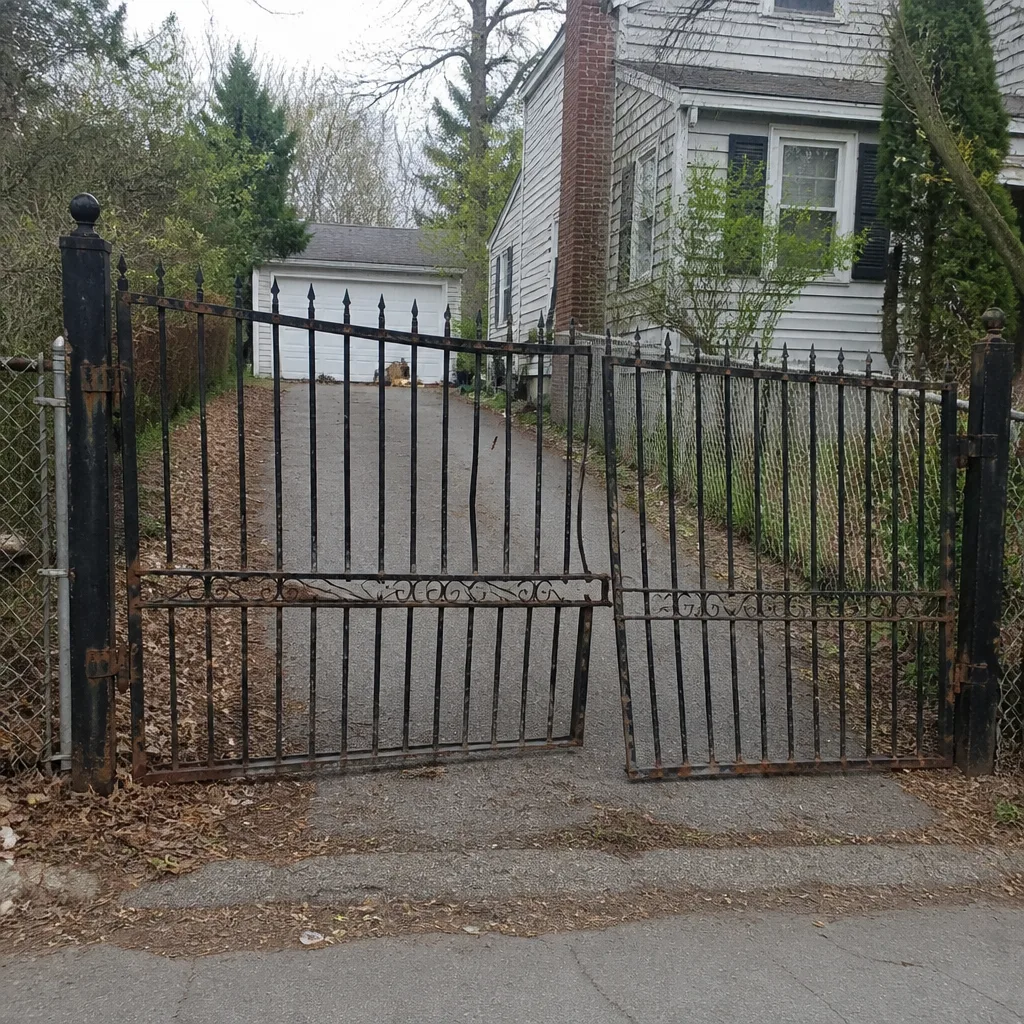
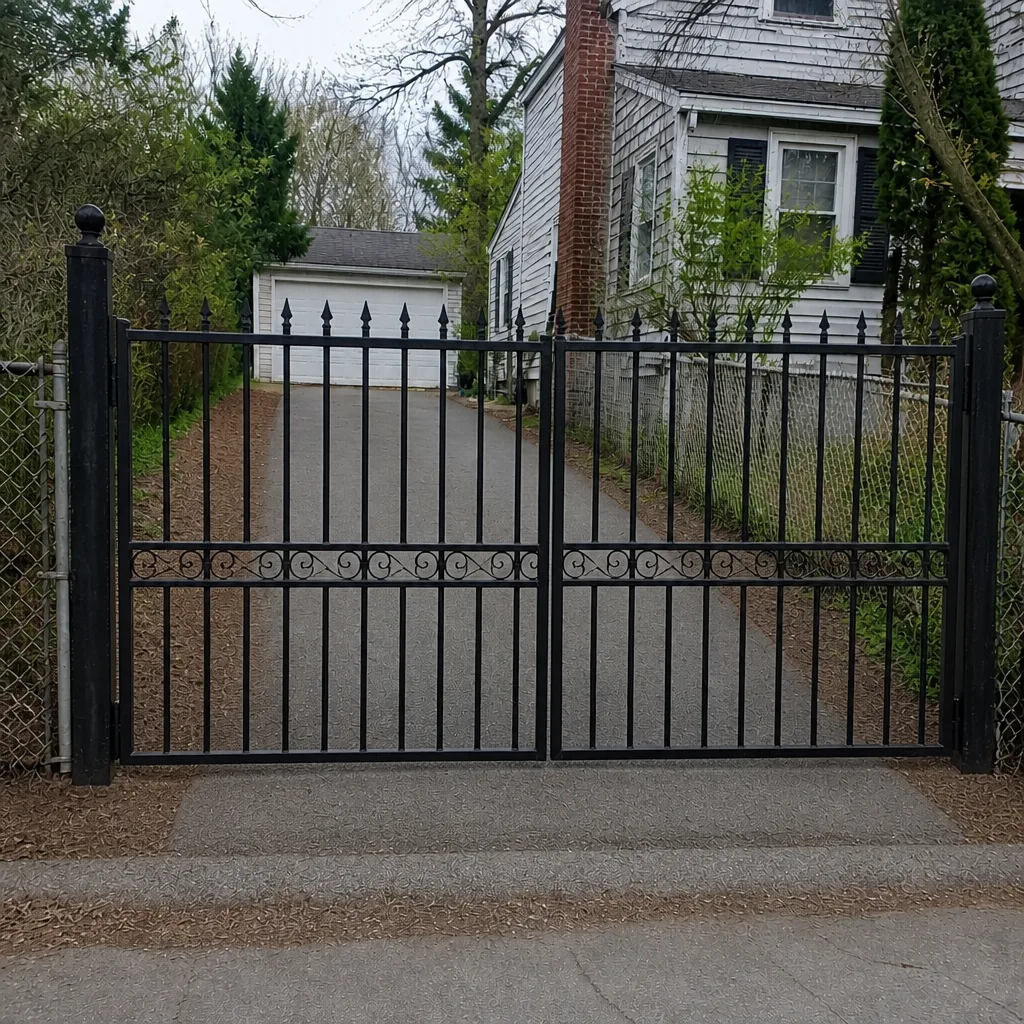
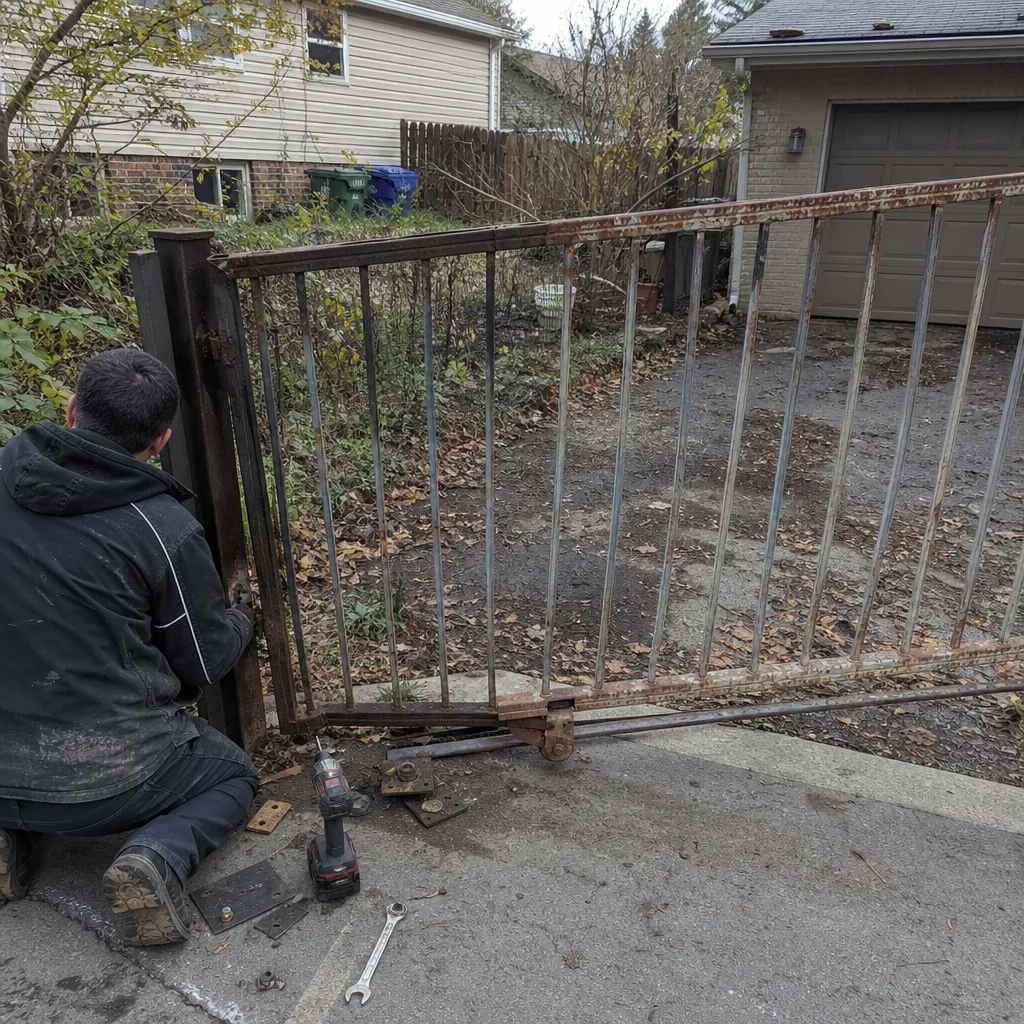
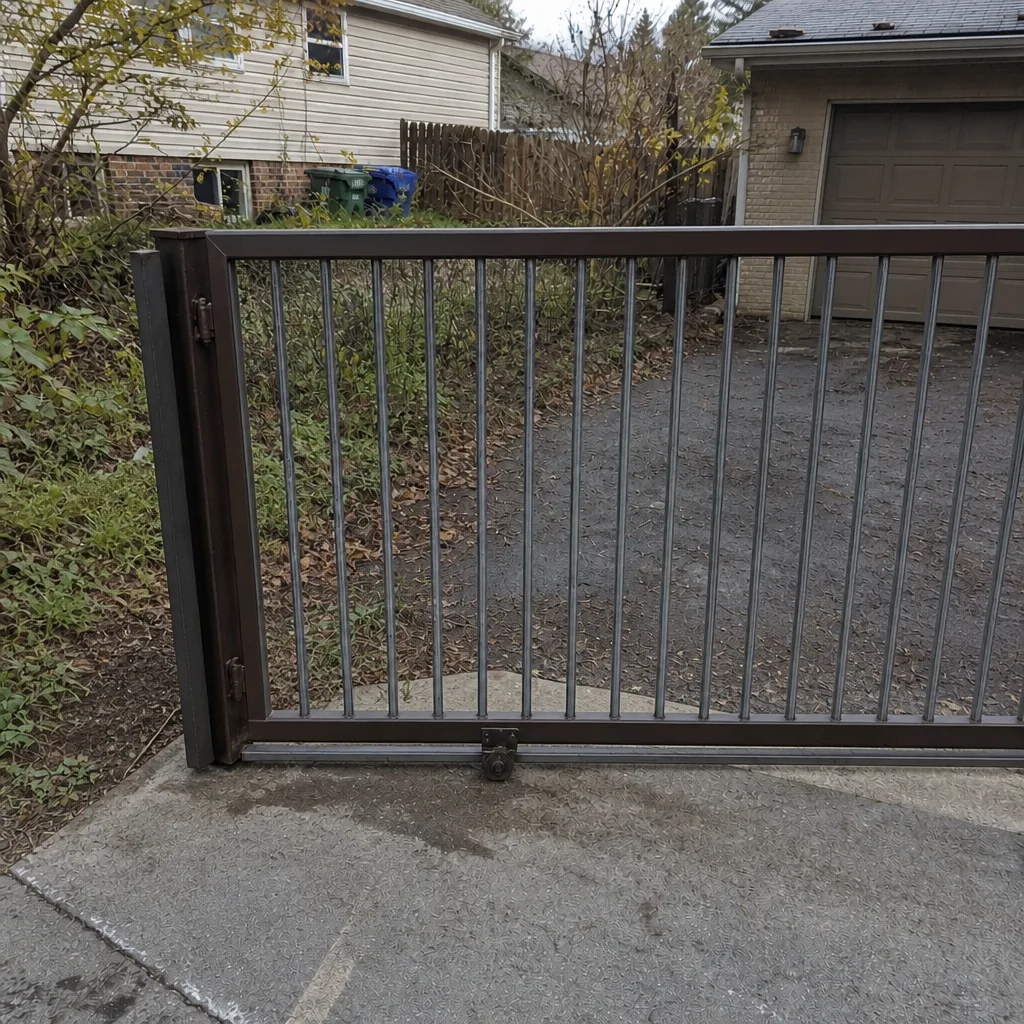
See the difference
 Before
 After
 Before
 After
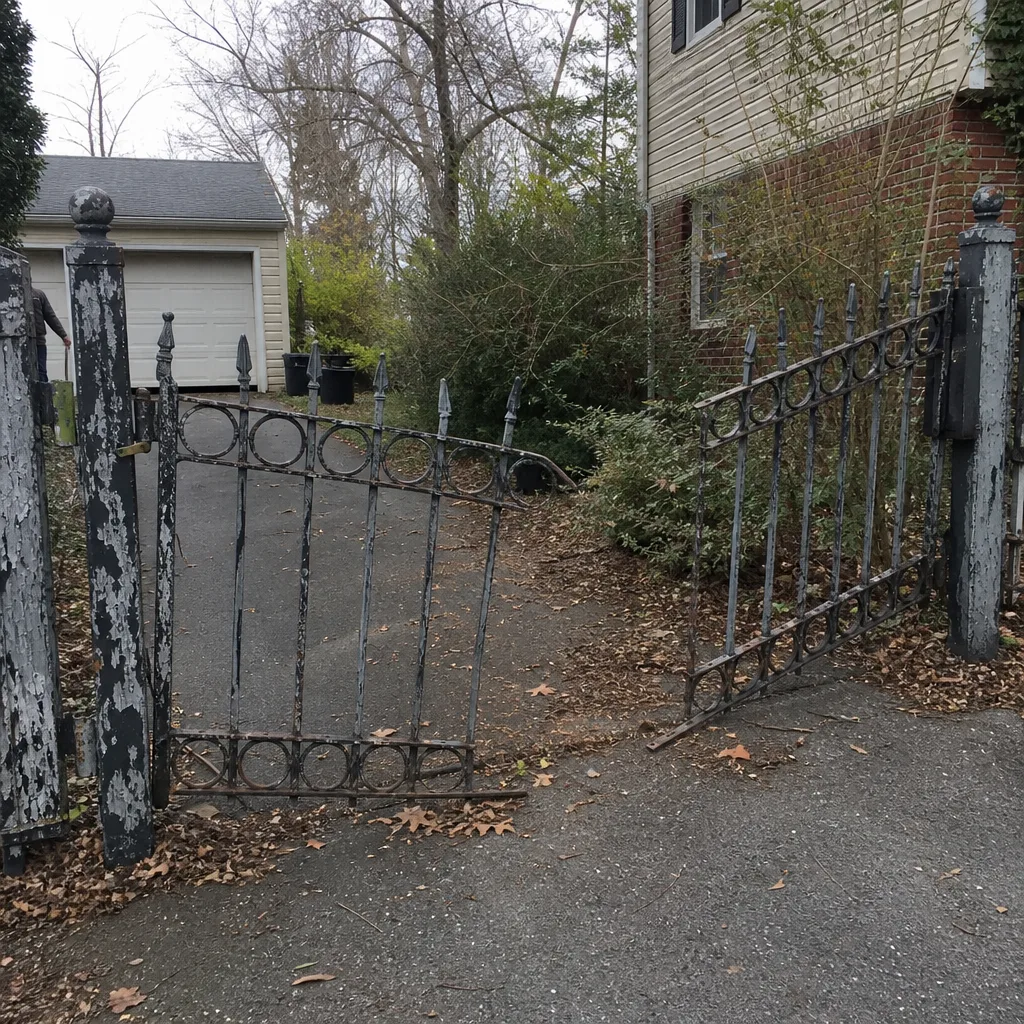 Before
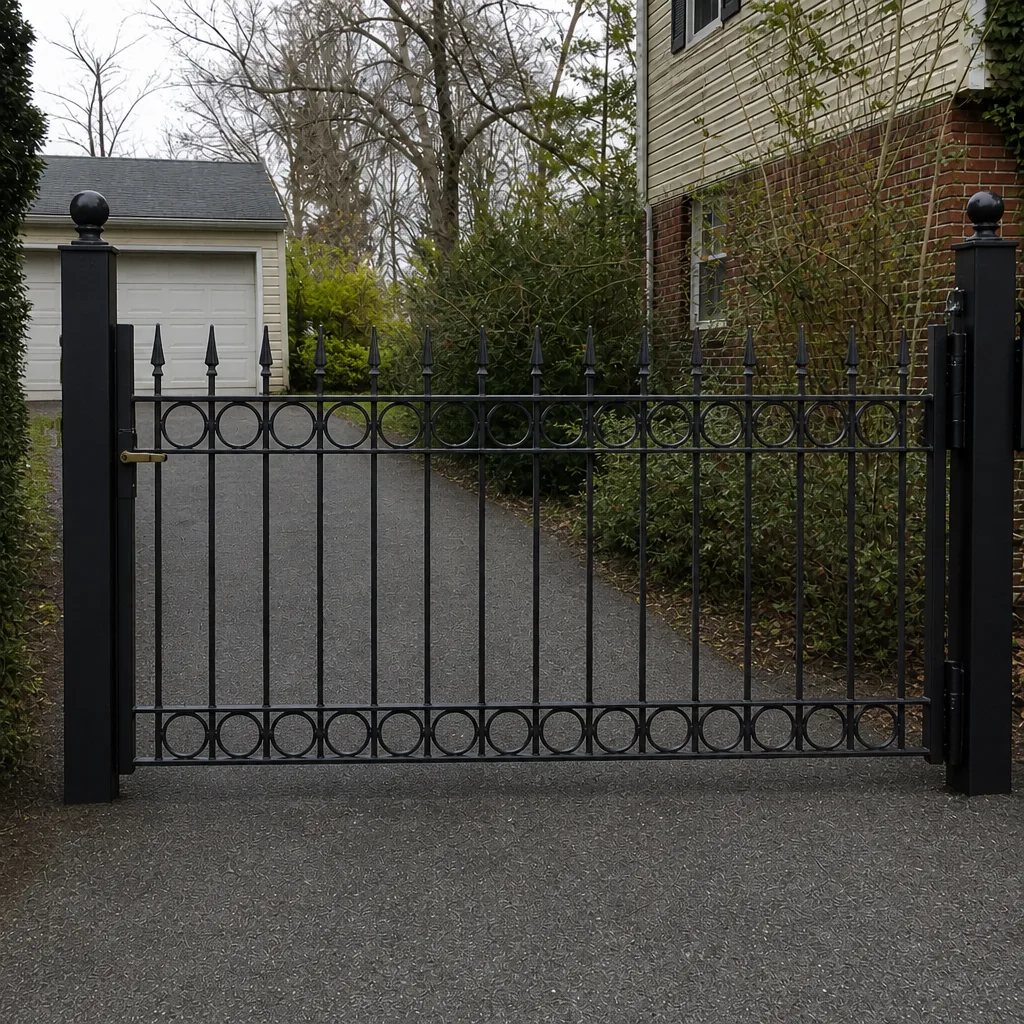 After
When to Call a Professional
Call when the repair involves anything electrical: no power, a control board, a capacitor, wiring, remotes that won’t program, safety devices, or an operator that runs but won’t respond. Call when the gate post itself has moved, when the safety edge or photo-eye isn’t reversing the gate, or when you’ve lost the manual and can’t confirm which model you have. Call when the gate is automated and the system is under warranty. Call when it’s an access-control system on a commercial or HOA property. And call when you’ve already tried the mechanical fixes and the gate still doesn’t operate the way it should. Gate Repair Columbia offers free estimates in Columbia. Call (866) 519-6885. We answer 24/7. Fast dispatch from 7am to 7pm, Sunday through Friday.
Frequently Asked Questions
Mechanical repairs like hinges, latches, rollers, and track cleaning are safe for a careful homeowner with the right tools. Electrical work inside an automated operator is not a homeowner task because of 120V wiring, capacitor charge, and the risk of damaging brand-specific components. If your gate is automated and the fault is electrical, call (866) 519-6885 for a free estimate.
Yes, on most operators a travel limit adjustment is a documented, low-risk setting change, and it’s a reasonable first-line check. Confirm against your operator’s manual before you touch it, and shut the circuit first. If the manual doesn’t clearly cover the adjustment, or the setting won’t hold, call a technician. Estimates are free, so call (866) 519-6885 if you’re unsure.
It often can, yes. Manufacturer warranties typically require professional service, and opening an operator or altering wiring can void remaining coverage. If your system is still under warranty, check the terms before you touch anything. Call (866) 519-6885 for a free estimate if you’d rather have a professional handle it.
Usually not. The most common cause is a blocked safety sensor: dirty photo-eye lenses, a misaligned reflector, or something in the swing path. Clean the lenses and clear the path before assuming a control fault. If it still reverses, call (866) 519-6885 for a free estimate.
Gate repair pricing depends on the specific fault, the part, and the system, so any range would be guesswork until we’ve seen the gate. What we can tell you is the process: the estimate is free, the price is quoted and agreed before any work starts, and the written estimate sets the final price. Call (866) 519-6885 and we’ll give you an exact quote.
If it’s one of the brands we service, yes. We’re familiar with operators from LiftMaster, FAAC, BFT, Linear, Viking, Ghost Controls, DoorKing, Elite, and Mighty Mule, and our technicians have up to 9 years of experience diagnosing by system knowledge. Call (866) 519-6885 with your model number for a free estimate.
The Bottom Line
The DIY-versus-professional decision comes down to which half of the gate system is broken, not how handy you are. Mechanical repairs (hinges, latches, rollers, alignment, clearing a track) are fair game for a homeowner with the right tools and a helper. Electrical work inside an automated operator isn’t, and the risk is concrete: line voltage, stored capacitor charge, voided warranty, and a wrong part that buys you a more complex repair. If you can’t confirm the diagnosis with a meter, don’t proceed. For anything electrical, access-control, or structural, call a specialist. Call (866) 519-6885 for a free estimate.
Written by the team at Gate Repair Columbia.