
Last updated November 15, 2026
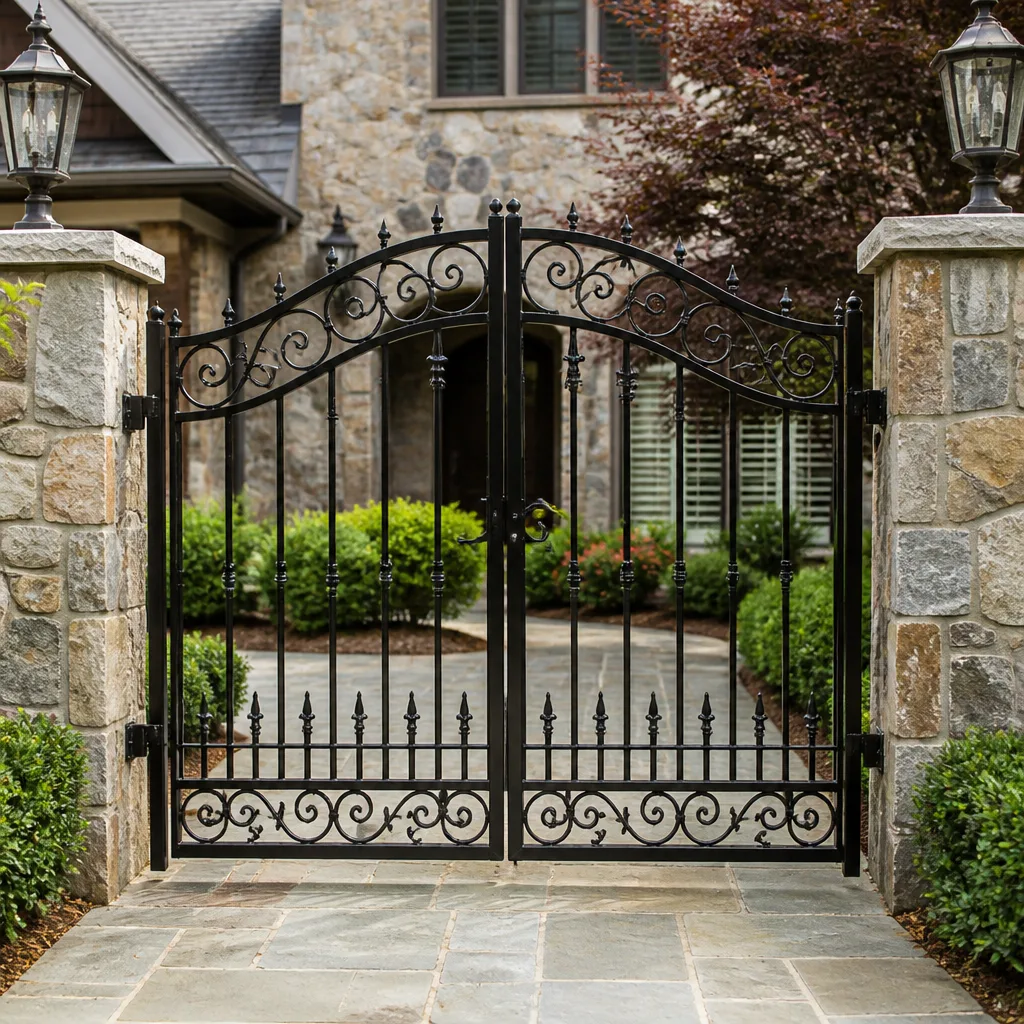 Wrought iron
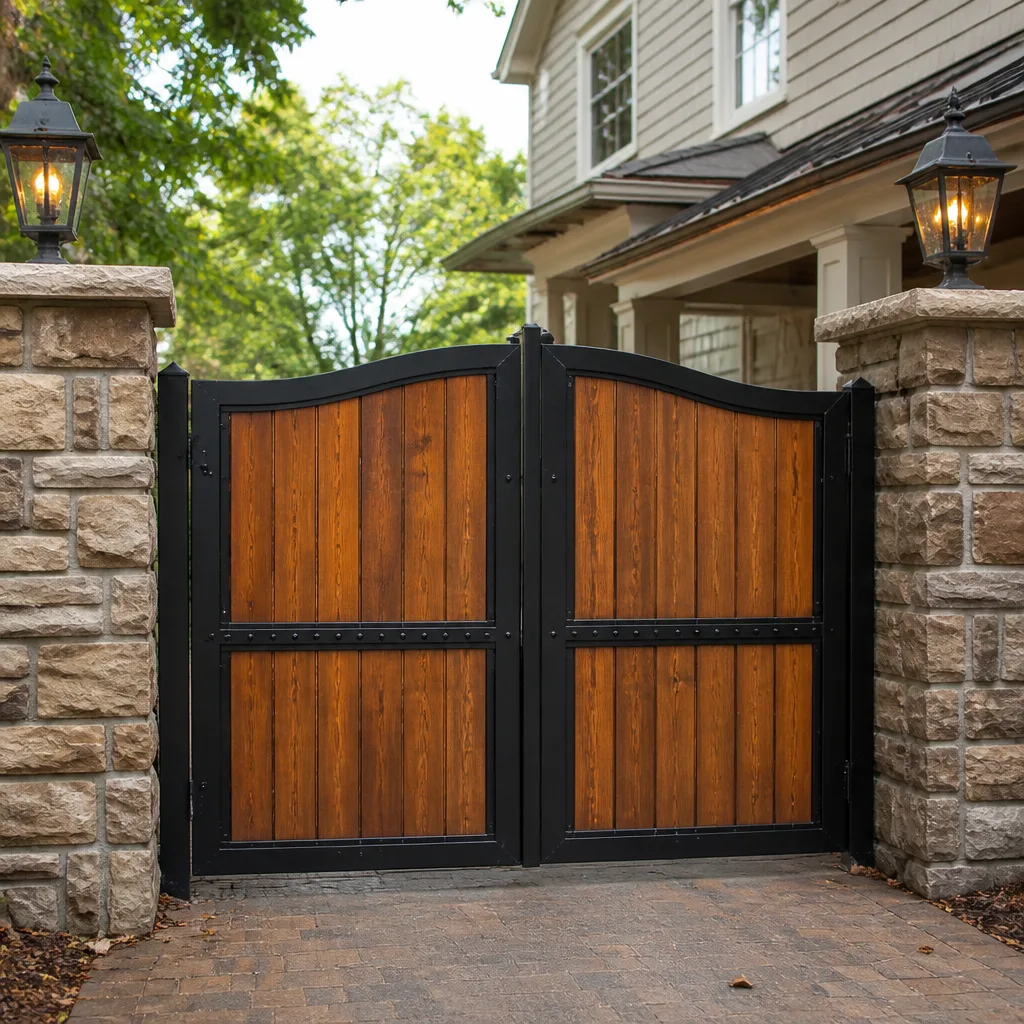 Wood & steel frame
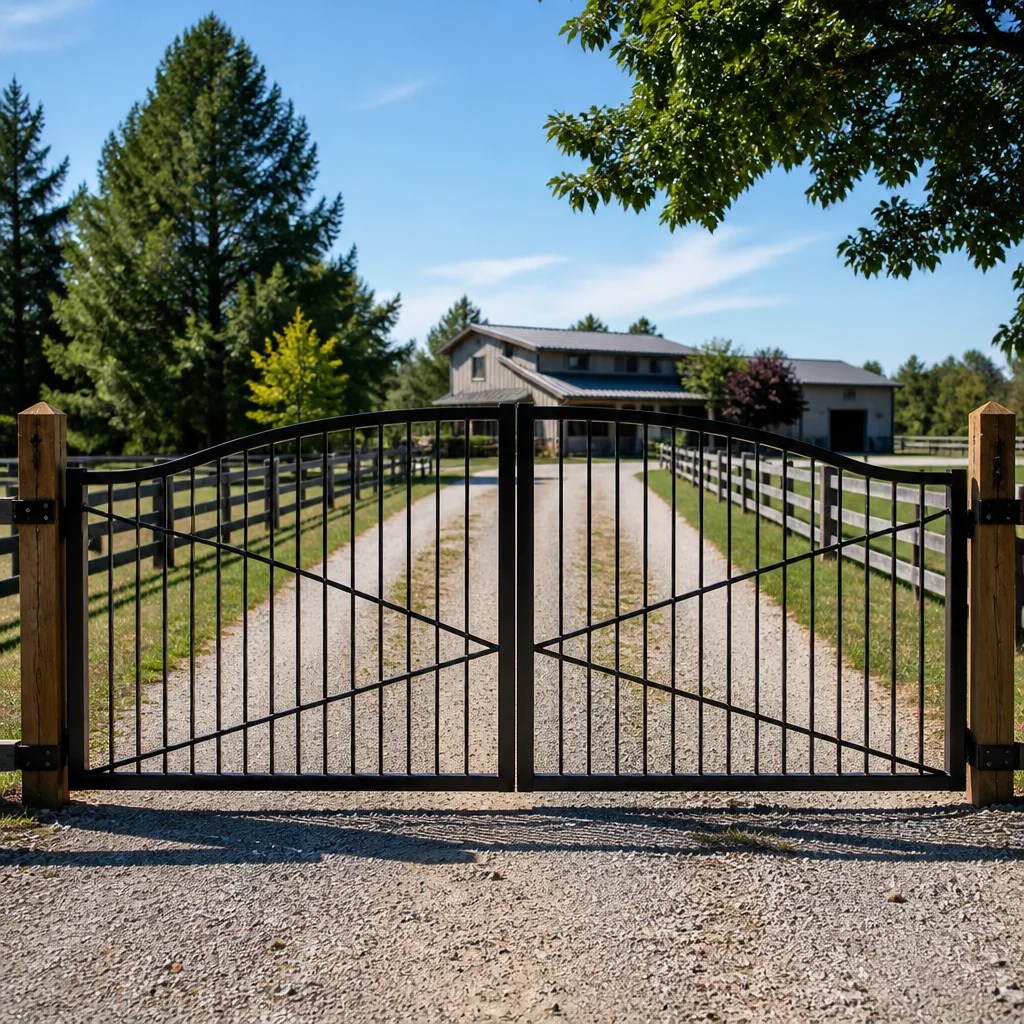 Farm & ranch
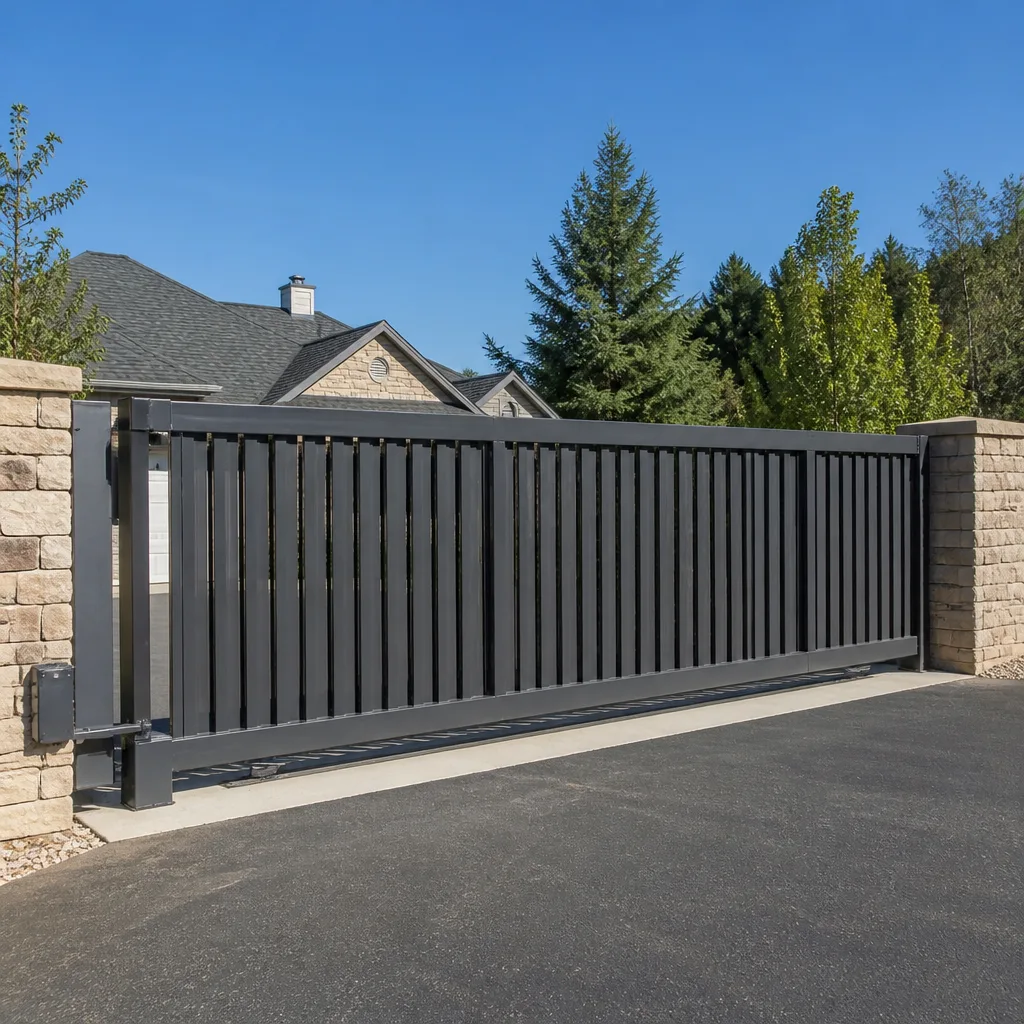 Sliding driveway gates
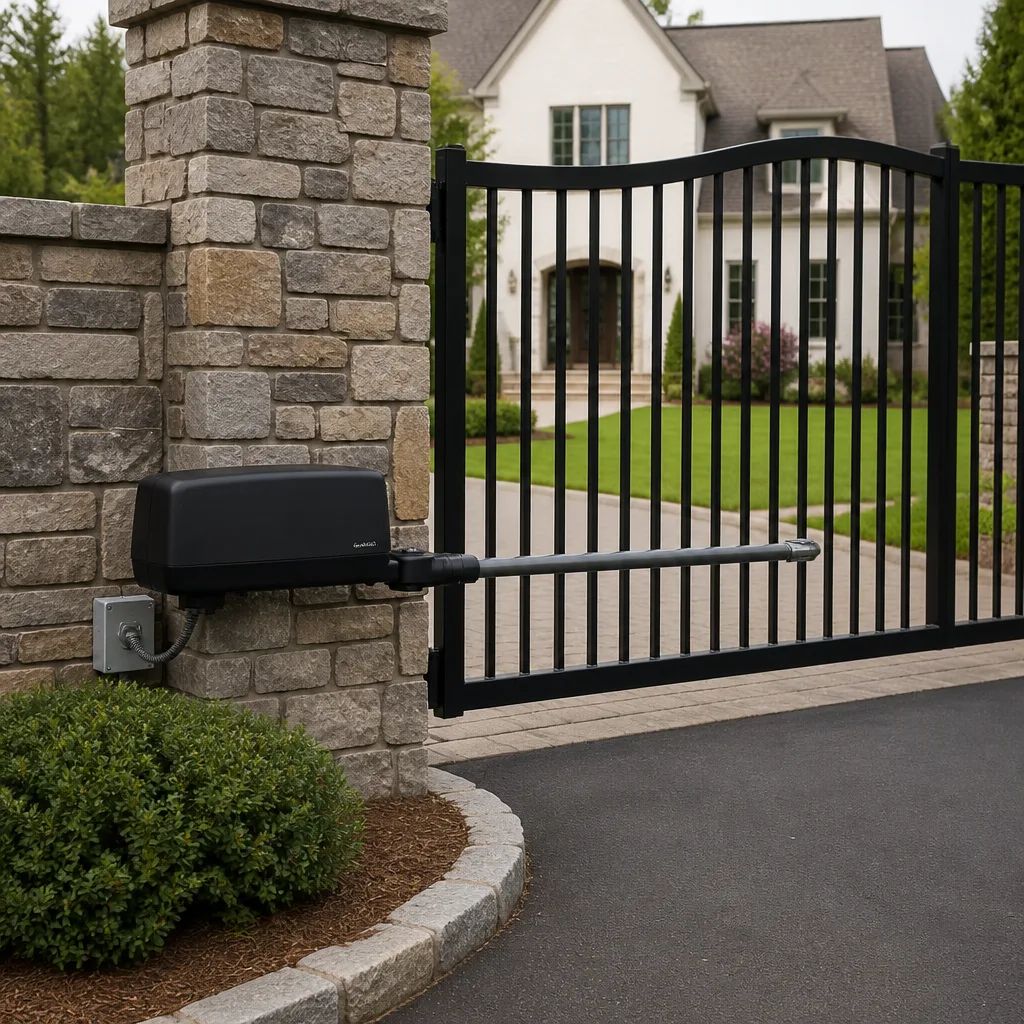 LiftMaster operators
Free on-site gate assessment - hinges, posts, and your LiftMaster or Nice gate operator checked before anything is quoted
The assessment is free and the quote is the invoice.
Get your free estimateChoosing the Right Gate Repair Brand: A Buyer’s Guide for Columbia
Most people shopping for a gate operator compare motors on a spec sheet: opening speed, weight capacity, horsepower, warranty in years. That comparison misses the thing that actually decides whether your gate still works smoothly in a decade. A gate operator isn’t a one-time purchase; it’s a 10-to-15-year service commitment, and the brand you choose determines who can fix it, whether the parts exist locally, and how long you wait when something fails. In Columbia, we’ve watched too many property managers and homeowners buy an impressive-looking import brand, then discover a control board has to be ordered internationally while the gate sits open. This guide shows you how to pick a brand for the long haul, so you never get stuck.
Quick Answer
The best gate operator brand in Columbia is the one a local technician can service quickly with parts available nearby. For most residential driveways in Howard County, LiftMaster and Elite swing and slide operators are reliable and serviceable; FAAC suits heavier, higher-cycle commercial gates; Mighty Mule fits budget-conscious manual-to-automatic retrofits. Before buying any brand, confirm that a technician in Columbia can source its control boards and motors on short notice, and that the warranty is honored locally. That single check matters more than any spec.
Styles & brands we work with
- Wrought iron
- Wood & steel frame
- Farm & ranch
- Sliding driveway gates
- LiftMaster operators
Table of Contents
- The Local Serviceability Test: The Question That Outranks Every Spec
- Head-to-Head: The Major Gate Operator Brands by Use Case
- Matching Operator Type to Your Gate, Your Traffic, and Columbia’s Climate
- The Dealer Trap: Proprietary Systems vs. Open-Architecture Brands
- What ‘Certified’ Actually Means Across Brands
- When You Need More Than a Motor: Access Control and Automation
- A Columbia Buyer’s Checklist: What to Ask Before You Purchase
- Repair or Replace? How to Decide When Your Current Brand Fails
The Local Serviceability Test: The Question That Outranks Every Spec
Before you look at opening speed or cycle ratings, ask a simpler question: if this gate stops working next month, who in Columbia can get the parts and fix it? That’s the local serviceability test, and it sorts brands faster than any comparison chart. A brand with excellent engineering and no regional parts network is a liability, because every failure becomes a waiting game.
Parts access breaks down into three tiers in practice. The first tier is brands with common components carried by regional distributors and available to local technicians within a day or so. The second tier needs a special order from a national warehouse, usually a few business days. The third tier is the brand whose printed circuit board has to be ordered from overseas, which can stretch into weeks. On a residential driveway that’s an annoyance. On a gated community entrance or a commercial lot, a gate stuck open for weeks is a security and liability problem.
Here’s how to run the test yourself before you commit to a brand:
- Ask a local technician, not the salesperson. The technician who repairs gates every week knows which brands they can get boards and motors for quickly. A sales rep is selling the product, not servicing it.
- Ask where the control board comes from. A board that ships from a US warehouse is a very different proposition from one that ships from the factory overseas.
- Ask how long a typical repair takes on that brand. A technician who has handled the brand will give you a specific answer. Vague answers are your signal.
- Confirm warranty service is local. A warranty is only as good as the nearest authorized repair point. If the brand has no service presence near Columbia, you’re shipping parts, not getting repairs.
The point isn’t that obscure brands are bad. It’s that the brand choice locks in your repair timeline for the life of the gate, and that timeline should be part of the decision. Our Gate Repair Columbia team knows which systems can be back in motion quickly and which leave you waiting on a shipment.
Head-to-Head: The Major Gate Operator Brands by Use Case
A straight price ranking of gate brands is close to useless, because a cheap operator that fails under daily use costs more over ten years than a mid-priced one that doesn’t. Use-case matching is the better approach: what kind of gate, how often it moves, and what support looks like after the sale. The brands below are the ones we service most in Columbia, and each has a clear sweet spot.
LiftMaster
LiftMaster is the brand most Columbia homeowners already recognize, and it earns that recognition on residential swing and slide operators. Parts are widely available, technicians know the platform, and a repair rarely means a long wait. For a standard driveway gate on a home in Howard County, it’s a dependable default.
FAAC
FAAC leans commercial, with hydraulic and heavy-duty operators built for higher cycle counts. On gated community entrances, apartment complexes, and lots where the gate opens dozens of times a day, FAAC systems show up often. They’re not the cheapest option, but the hydraulic design handles frequent use and Maryland temperature swings well. If your gate needs commercial-grade endurance, this is a strong fit.
Elite
Elite offers a solid residential-to-light-commercial middle ground. Swing and slide operators from Elite are a common fit for homeowners who want reliable automation without a commercial price tag. Parts and service support are workable for a Columbia property, and the platform is straightforward for routine repairs.
Mighty Mule
Mighty Mule is the budget-friendly entry point, especially for DIY-friendly retrofits where a homeowner is automating an existing manual gate. It’s a reasonable starting operator for a lighter residential gate that opens a handful of times a day. The tradeoff is cycle capacity: heavier daily use pushes it harder than it’s built for.
Matching by use case, not by price
- Single-family driveway, standard use: LiftMaster or Elite.
- Gated community or HOA entrance, high cycle: FAAC or another commercial-grade operator.
- Budget manual-to-automatic retrofit: Mighty Mule.
- Light commercial lot, moderate traffic: Elite or LiftMaster commercial lines.
We service the full set of brands Columbia properties rely on, from LiftMaster and FAAC to Mighty Mule and Elite. If your gate uses one of these, the diagnosis is systematic rather than exploratory. Our electric gate repair page covers how we work through an operator that won’t respond.
Matching Operator Type to Your Gate, Your Traffic, and Columbia’s Climate
The operator class matters as much as the brand name on the box. A linear actuator, a hydraulic operator, and a rack-and-pinion slide drive are built for different jobs, and choosing the wrong one for your gate’s weight and traffic is how a “good brand” still disappoints. Columbia’s climate adds a wrinkle: humid summers, freezing winter stretches, and significant seasonal temperature swings all stress moving parts and seals.
Linear actuator
A linear actuator is an arm that pushes the gate open and closed. It suits lightweight to medium residential swing gates and is the most common residential choice. In Columbia’s humid summers, the housing and seals need to be sound, because moisture is the enemy of an actuator’s internal parts. They’re affordable and easy to service, but they’re not the operator for a heavy commercial gate opening hundreds of times a day.
Hydraulic operator
Hydraulic operators use fluid pressure to move the gate and handle heavier gates and higher cycle counts. They’re the workhorses for HOA entrances and commercial lots. The tradeoff is that hydraulics need periodic attention to fluid and seals, especially as temperatures swing between a humid summer and a freezing winter. When maintained, they’re durable; when ignored, a hydraulic leak can leave a gate inoperable.
Rack-and-pinion slide operator
For slide gates, a rack-and-pinion drive runs a gear along a toothed rail on the gate itself. It handles long, heavy slide gates well and scales to larger openings. The critical factor is the ground rail and footing: a slide gate’s track takes a beating from freeze-thaw cycles, and a rail that shifts out of alignment will bog down any motor, no matter how good. In Columbia, footing and rail alignment get checked carefully, because a well-chosen operator on a misaligned track still struggles.
Matching to weight and traffic
- Weigh the gate, or get it weighed. Operators are rated by gate weight and length. Overshooting the rating by even a bit shortens motor life considerably.
- Count your daily cycles honestly. A residential driveway might open ten times a day; a community entrance might open a few hundred. Overworking a residential operator in a commercial setting is a common and expensive mistake.
- Factor the climate. Columbia’s freeze-thaw and humidity mean you want an operator class with real seasonal tolerance, and you should plan for periodic seal and hydraulic checks.
- Match the drive to the gate type. Swing gates get a swing operator; slide gates get a rack-and-pinion or track drive. Forcing the wrong drive class onto a gate leads to repeat failures.
The Dealer Trap: Proprietary Systems vs. Open-Architecture Brands
Some gate brands build their ecosystems to lock you in. The control board is proprietary, the remote frequency is proprietary, and only an authorized dealer can service the system without voiding the warranty. It sounds secure. In practice, it means you’re tied to one company’s schedule, one company’s pricing, and one company’s parts availability, and if that dealer is slow or distant, your gate waits.
Open-architecture brands take a different approach. Standard remote frequencies, more interoperable components, and accessible parts mean any qualified technician can service the system. When you’re choosing for a Columbia property, ask directly: can this brand’s control board and receiver be serviced by an independent technician, or does it require a dealer? The answer tells you how much leverage you’ll have for the next decade.
There’s a related trap with single-brand shops: a technician who only knows one system will tend to recommend that system, or recommend a full replacement when a repair would do, because it’s the only option they can support. Multi-brand familiarity removes that pressure. When a technician knows several platforms, the recommendation tends to be about what’s right for the gate, not what’s convenient for the shop.
- Proprietary system plus a single local dealer: highest lock-in risk.
- Proprietary system plus several authorized dealers: moderate risk; dealer availability saves you.
- Open-architecture components: lowest lock-in; any qualified technician can service.
- Multi-brand service shops: the repair and replacement recommendation gets more objective.
What ‘Certified’ Actually Means Across Brands
“Certified” is one of the loosest words in the gate industry. On one end, it means a technician has completed a manufacturer’s factory training program and can service and, where applicable, register systems in a way that supports warranty coverage. On the other end, it means a company decided to describe itself as certified. Those are not the same thing, and the gap matters when a warranty claim is on the line.
Factory training covers the specific control boards, programming, safety reverse settings, and diagnostics for that brand. A technician trained on the system diagnoses by recognizing behavior specific to that platform, rather than by trial and error. That reduces misdiagnosis and cuts down on unnecessary parts replacement, which is the hidden cost most buyers never plan for.
Self-declared expertise looks different. It shows up in vague answers about how the system works, in trial-and-error swapping of parts, and in a reluctance to commit to a cause before the invoice. When you ask about certification, ask a follow-up: trained on which systems? A clear answer names the platforms, and a technician who has worked across LiftMaster, FAAC, Elite, and Mighty Mule systems can tell you exactly where the differences lie. Our technicians have up to 9 years of experience across a range of gate automation platforms, and that breadth is what steady diagnostics comes from.
Why it matters for warranty coverage: many brands stipulate that service be performed properly to keep coverage valid, and an untrained technician working on a proprietary board can leave you with a denied claim. Before any repair on a system under warranty, confirm the person doing the work knows the platform.
When You Need More Than a Motor: Access Control and Automation
At some point the conversation moves beyond a motor that opens a gate to a system that decides whether it should open. Access control covers the keypads, card readers, intercoms, remote fobs, and vehicle sensors that link a gate to a building’s security needs. For HOA and commercial properties in Columbia, this is often the real project, and the gate operator is only part of it.
Access control is where a brand decision compounds. The operator and the access components need to talk to each other, and a proprietary system can make integration harder or impossible without the dealer’s involvement. Brands built with standard inputs and receiver options leave more room for access-control add-ons later.
- Keypads and entry codes: useful for residential driveways and community gates; older keypads often fail before the operator does.
- Intercom and call boxes: common at HOA entrances where visitors need to reach a resident or guard.
- Card and fob readers: typical for commercial lots and apartment complexes.
- Safety and vehicle sensors: the parts that prevent the gate from closing on a car or a person.
The power run matters just as much. A gate operator and access-control panel need a proper, safe electrical supply, and this is not the work to improvise. We never hand a homeowner a DIY wiring plan; the power and safety-edge circuits are where a mistake can cause serious injury, and they belong with a trained technician. Ask whether the installer handles the electrical run and the safety edges, or leaves you to find a separate electrician. A single point of responsibility from diagnosis through installation saves coordination headaches.
A Columbia Buyer’s Checklist: What to Ask Before You Purchase
The right brand decision comes down to a short list of questions, asked before you sign anything. This is the checklist we’d hand a homeowner or property manager in Columbia who is choosing a gate system. It works for a new gate and for replacing a failing operator alike.
- Can a local technician get parts for this brand on short notice? This is the serviceability test, and it’s the first question, not the last.
- Is the control board proprietary or standard? Proprietary means a dealer-only future; standard means options.
- Is the operator rated for your gate’s actual weight and length? Match the rating to reality, not the marketing headroom.
- How many cycles a day will this gate run? Residential vs. commercial cycle ratings are a major cost factor over ten years.
- Does the operator suit Columbia’s climate? Seals, protection class, and hydraulic or actuator design all need seasonal tolerance.
- Is the brand’s warranty honored locally? A warranty that requires shipping is a warranty that costs you time.
- Will the installer handle power and safety edges? Confirm responsibility before the project starts, not after.
- Is the technician brand-trained or self-declared? Ask which systems they’re trained on, and listen for specific answers.
- Is the price quoted before work starts? Ask for a written estimate so the number can’t drift.
Run those questions with your installer before you finalize anything. Every one of them is a place a buyer gets surprised later, and a good technician will answer them without hesitation. For a property in or around Columbia, the practical advantages of a serviceable brand really do compound over the life of the gate.
Repair or Replace? How to Decide When Your Current Brand Fails
When a gate stops working, the first instinct is sometimes to replace it. That’s often the wrong instinct, and it’s frequently a sign of a technician who can’t repair the brand you already have. Before you decide, work through the likely causes. Plenty of “dead” gates are a failed control board, a tripped safety circuit, or a worn gear that’s fully fixable.
Start with the diagnosis, not the replacement quote. A technician who knows the platform can usually tell you what part has failed and why. From there, the repair-or-replace call turns on three things: the cost of the repair relative to a new system, the age and cycle history of the operator, and the serviceability of the brand. If the brand has poor local parts access, a repair today may buy you only a little time before the next wait, and that’s when a change in brand starts to make sense.
And this is where multi-brand capability matters. A shop that only sells one brand has a built-in incentive to recommend replacement. A shop familiar with several platforms can give you a fair repair estimate and a fair replacement estimate side by side, and let you choose. We work on the brand you already own when it can be fixed, and we find parts for systems the dealer network has given up on. That’s the value of gate-only focus: the answer is driven by the gate, not by the sales target.
Also watch for the repeat-failure pattern. If the same part has failed more than once in a short time, the operator may be undersized for the gate or the track, and a repair would just repeat. That’s a case for a diagnostic conversation, not another board swap. Our gate repair team diagnoses before recommending anything, so you know which side of the line you’re on.
Common Mistakes to Avoid
- Buying on spec sheet alone. Opening speed and horsepower are easy to compare and easy to overvalue. Local parts access and repair support matter far more over ten years, especially in Columbia where a stuck gate on a community entrance is a real problem.
- Assuming your brand will be serviceable forever. Brands change control boards and discontinue parts. Ask which models have had recent changes, and confirm your specific model still has parts support before you commit.
- Choosing an operator rated for less than your gate’s actual weight. An undersized operator fails early and often. Weigh the gate and match it, even if the bigger operator costs a bit more upfront.
- Overlooking the access-control connection. A proprietary operator can block later additions like keypads, intercoms, or card readers. Think about where your security needs will be in a few years, not just today.
- Letting an untrained technician work on a system under warranty. Improper service can void coverage. Confirm the technician is trained on your brand before any repair on a warranted system.
- Skipping the written estimate. Agree on the price before any work starts, in writing. A quote given verbally has a way of growing once parts are on the truck.
- Replacing instead of diagnosing. Many failed gates are fixable. If the first recommendation is replacement without a diagnosis, get a second look from a specialist who knows your brand.
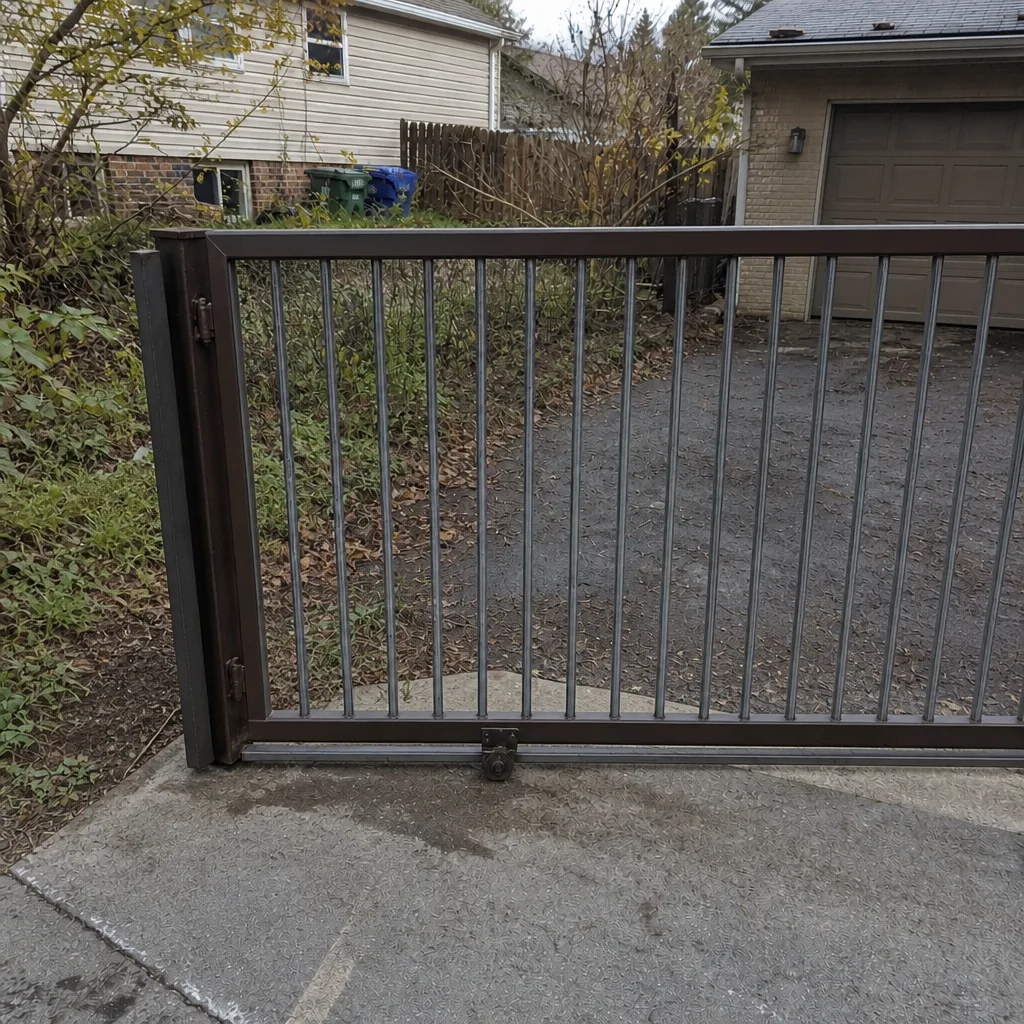
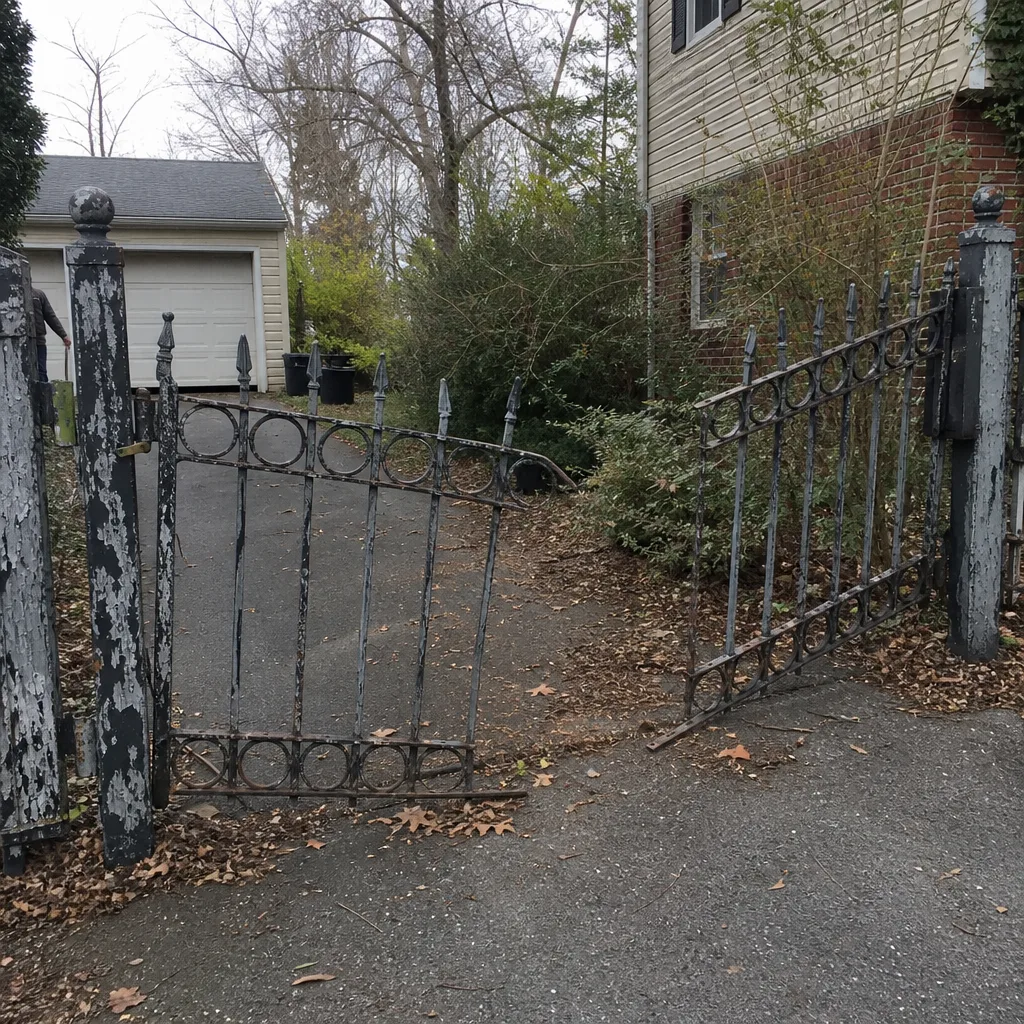
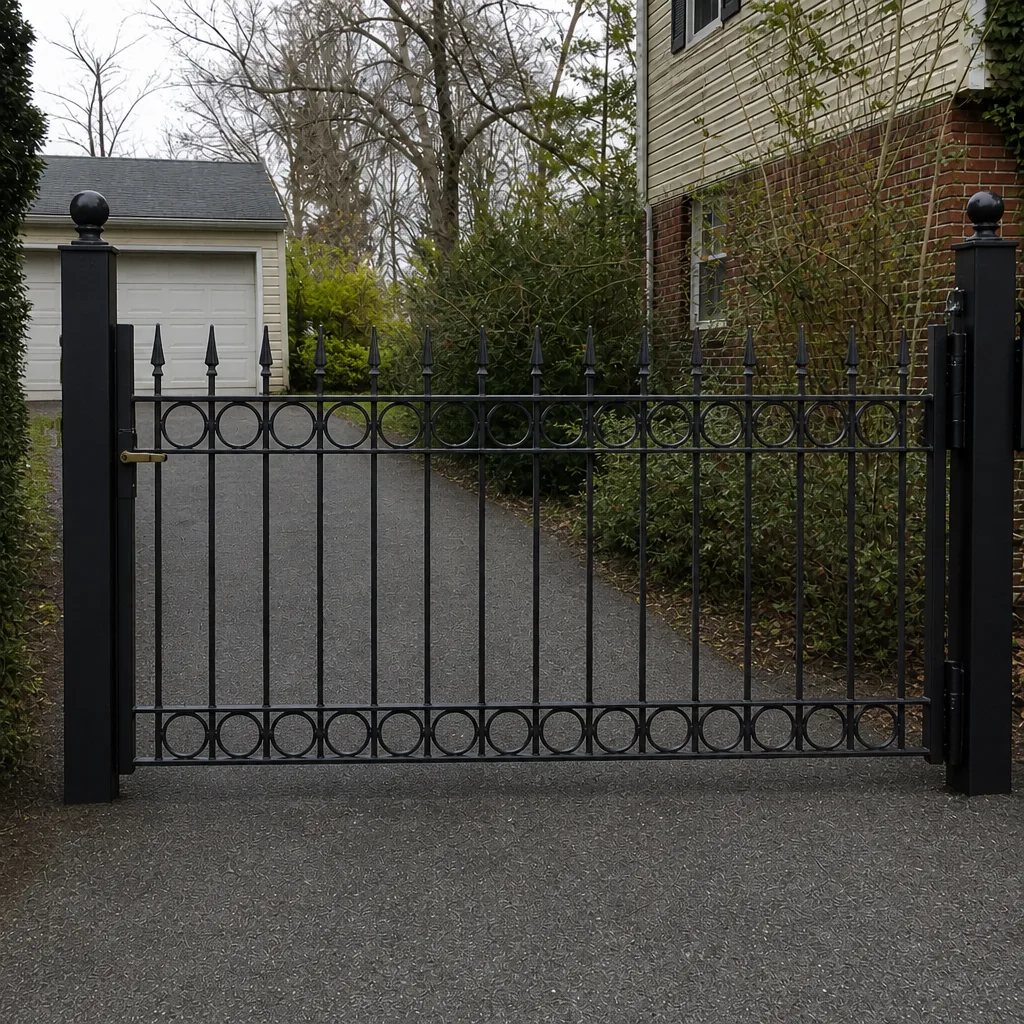
See the difference
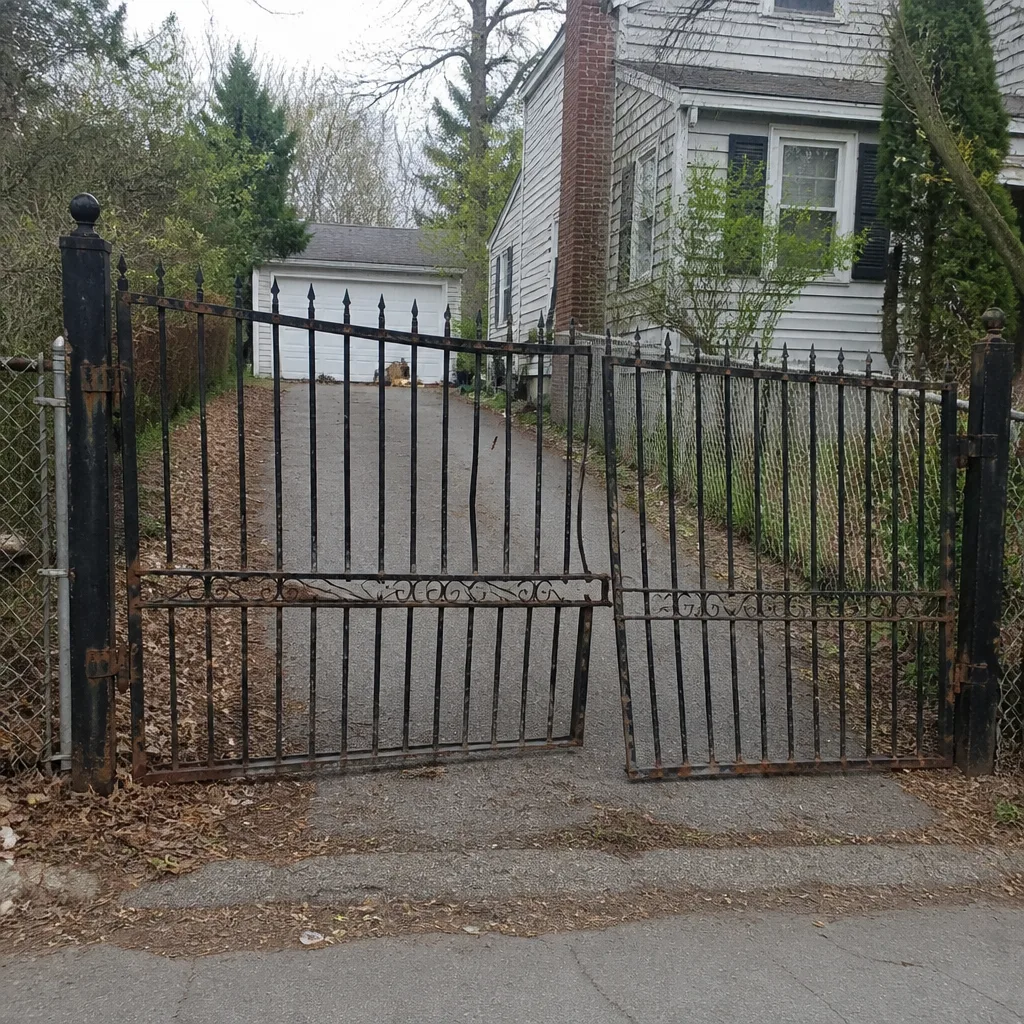 Before
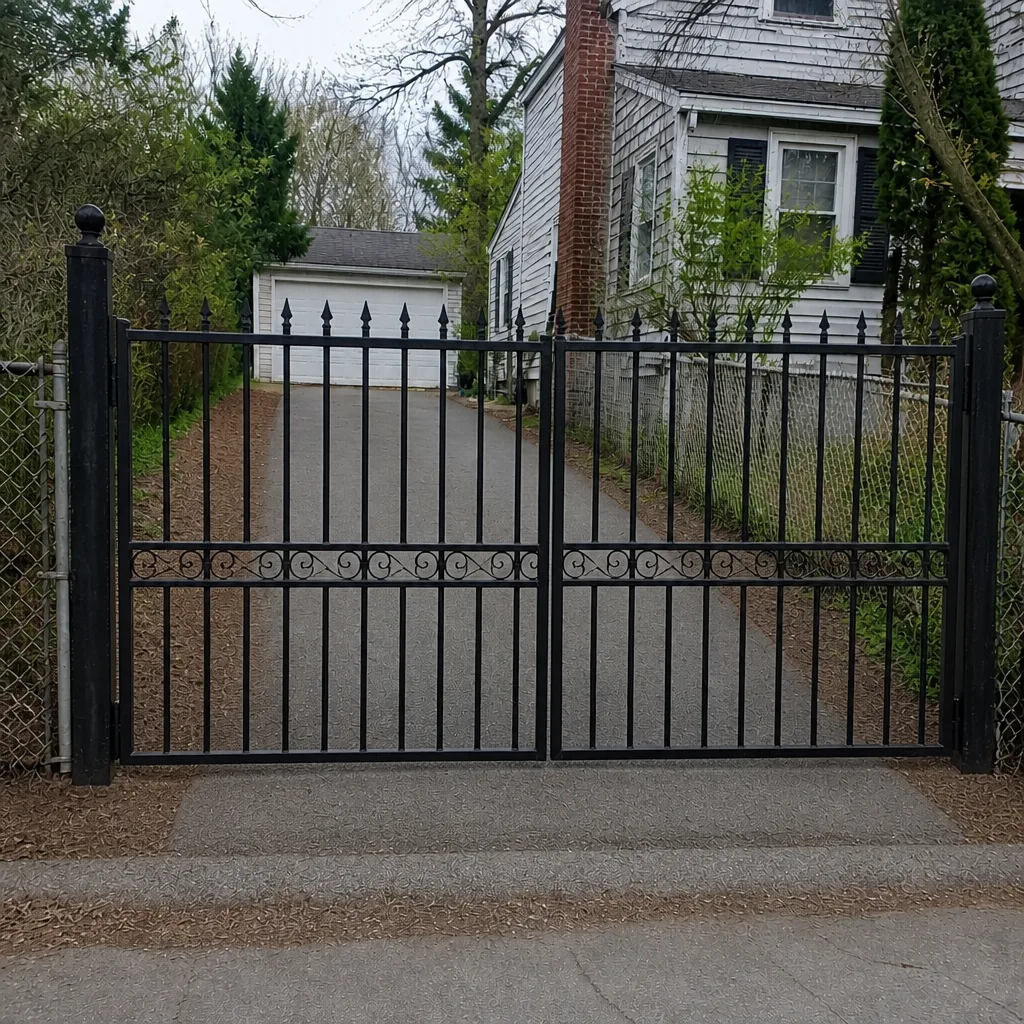 After
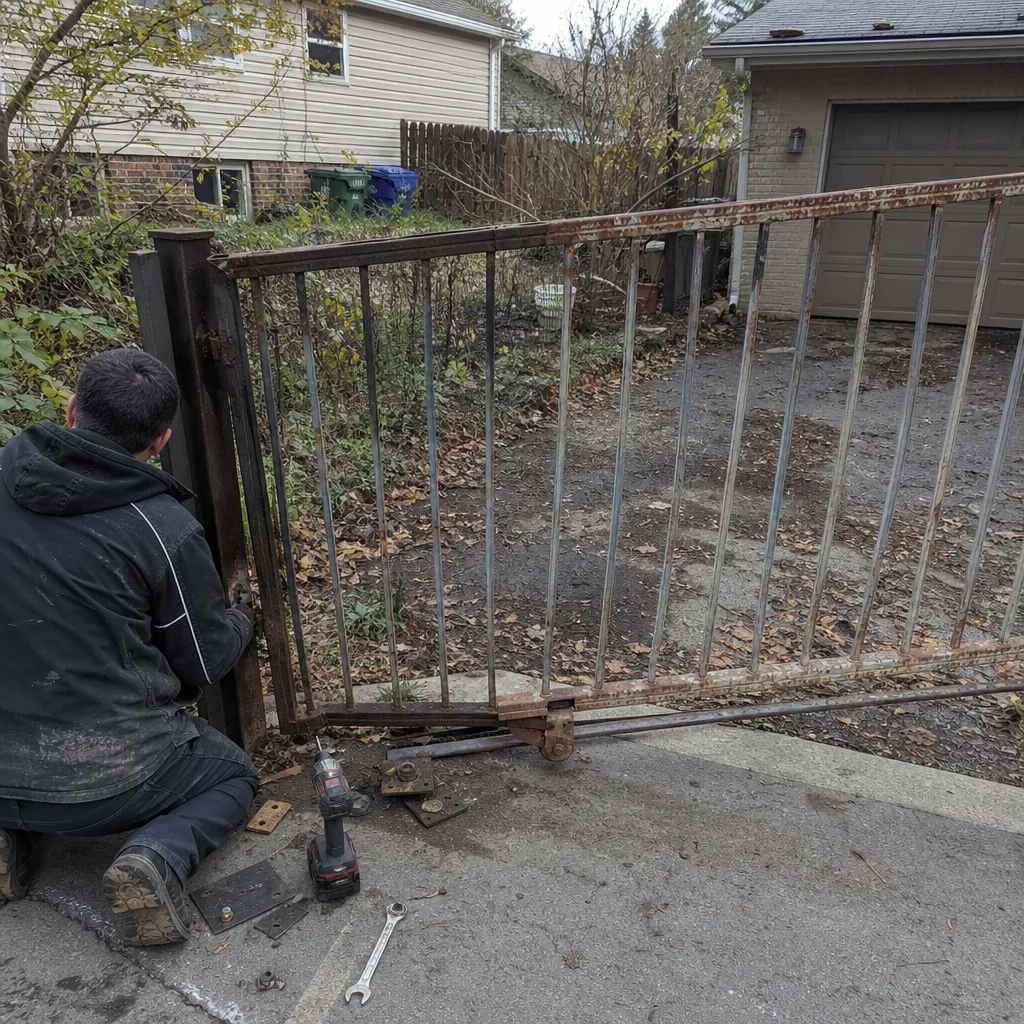 Before
 After
 Before
 After
When to Call a Professional
Some gate problems are routine and some cross the line where a mistake can hurt someone. Call a specialist when the operator won’t respond to a remote, when the gate reverses or stops mid-travel, when the arm or hydraulic mechanism is leaking or visibly damaged, or when a slide gate has come off its track. Call immediately if the safety edges or sensors are failing, because a gate that closes on a person or vehicle is a genuine hazard. The 120-volt power run, the control panel wiring, and the safety-edge circuits are not jobs to improvise: those carry a serious shock and crush risk, and they belong with a trained technician. If your gate uses a brand you don’t recognize or a system a previous owner installed, a diagnosis is the fastest path to knowing whether you’re looking at a repair or a replacement. Gate Repair Columbia offers free estimates in Columbia: call (866) 519-6885. We answer 24/7. Fast dispatch from 7am to 7pm, Sunday through Friday. The price is set per job by the written estimate, quoted and agreed before any work starts.
Frequently Asked Questions
For most Columbia homes, LiftMaster or Elite swing and slide operators strike the best balance of reliability, parts availability, and local service support. If your gate is a heavier driveway or you open it many times a day, a commercial-grade operator is worth considering. The real answer depends on gate weight and daily cycles, which is why we ask before recommending. Call (866) 519-6885 for a free estimate.
Ask a local technician, not the salesperson, whether they can source the brand’s control board and motor on short notice. If the answer is “it depends” or “we’d have to order it from overseas,” you’ve found your risk. A technician who services the brand will know exactly where the parts come from and how long they take.
Gate repair pricing depends on which component failed, not on a flat rate, because a control board, a hydraulic leak, and a track issue are different jobs. We give a written estimate after diagnosis, and the price is set per job by that estimate, quoted and agreed before any work starts. Call (866) 519-6885 for a free estimate and a straight answer on what your gate needs.
Yes. We service the major platforms independently of any dealer network, including brands that are otherwise proprietary. If a dealer-only shop has told you a repair isn’t possible, it’s worth a second look from a technician who knows the system. Call (866) 519-6885 to describe what your gate is doing.
A single failure usually calls for repair; the same part failing repeatedly usually points to an undersized operator or a track problem, which is when replacement starts to make sense. We diagnose first so the recommendation is based on the cause, not on a guess. Call (866) 519-6885 for a free estimate.
It can. Many brands require proper service to keep coverage valid, and an untrained technician working on a proprietary board can leave a claim denied. Before any repair on a system that’s still under warranty, confirm the technician is trained on your brand. We’ll tell you straight whether the work is covered or not.
The Bottom Line
Choosing a gate operator brand is a decade-plus decision, not a purchase. The brand you pick decides who can fix it, how quickly parts arrive, and whether you’re tied to one dealer for years. Match the operator type to your gate’s weight and cycles, check the brand against the local serviceability test, and favor systems a technician in Columbia can service independently. Ask which platforms the installer is trained on, and get the price in writing before work starts. Do that, and your gate stays back in motion far longer. Call (866) 519-6885 for a free estimate. We answer 24/7. Fast dispatch from 7am to 7pm, Sunday through Friday.
Written by the team at Gate Repair Columbia.