
Last updated November 15, 2026
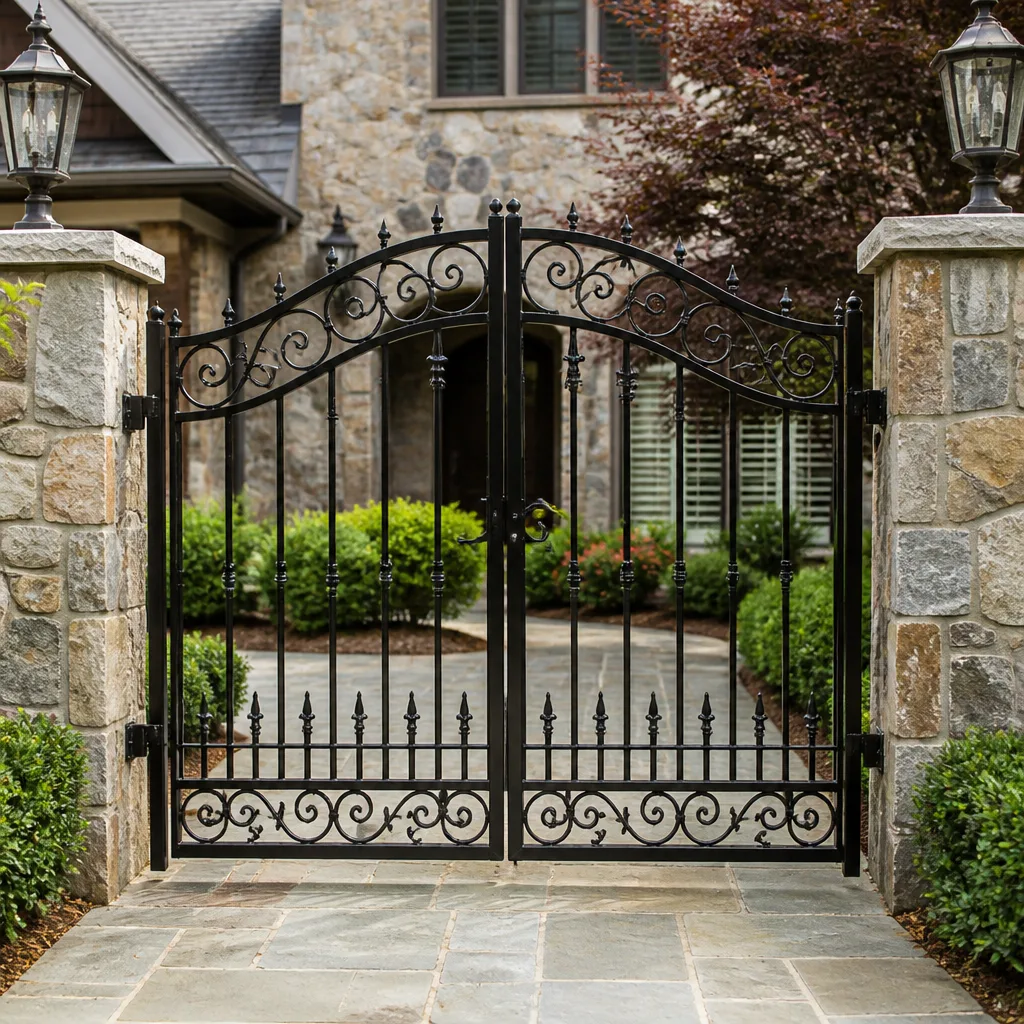 Wrought iron
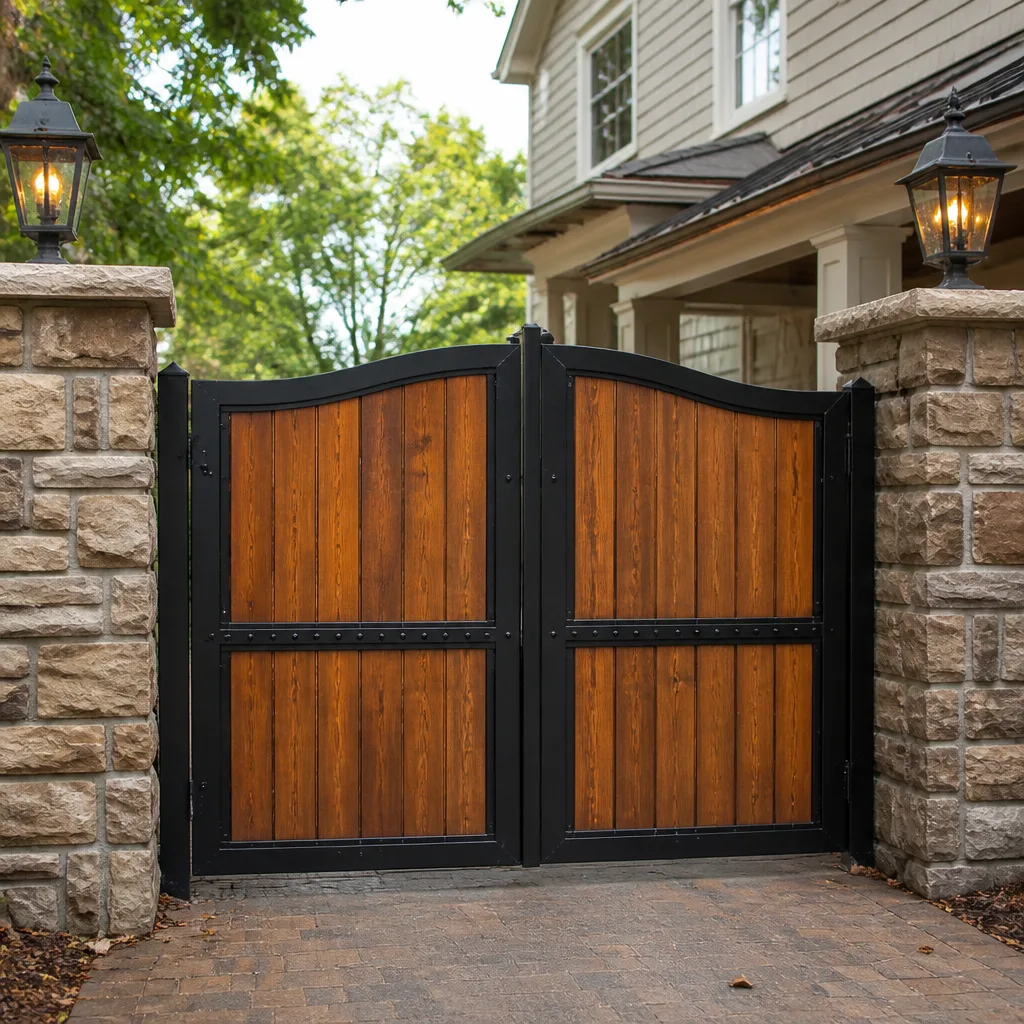 Wood & steel frame
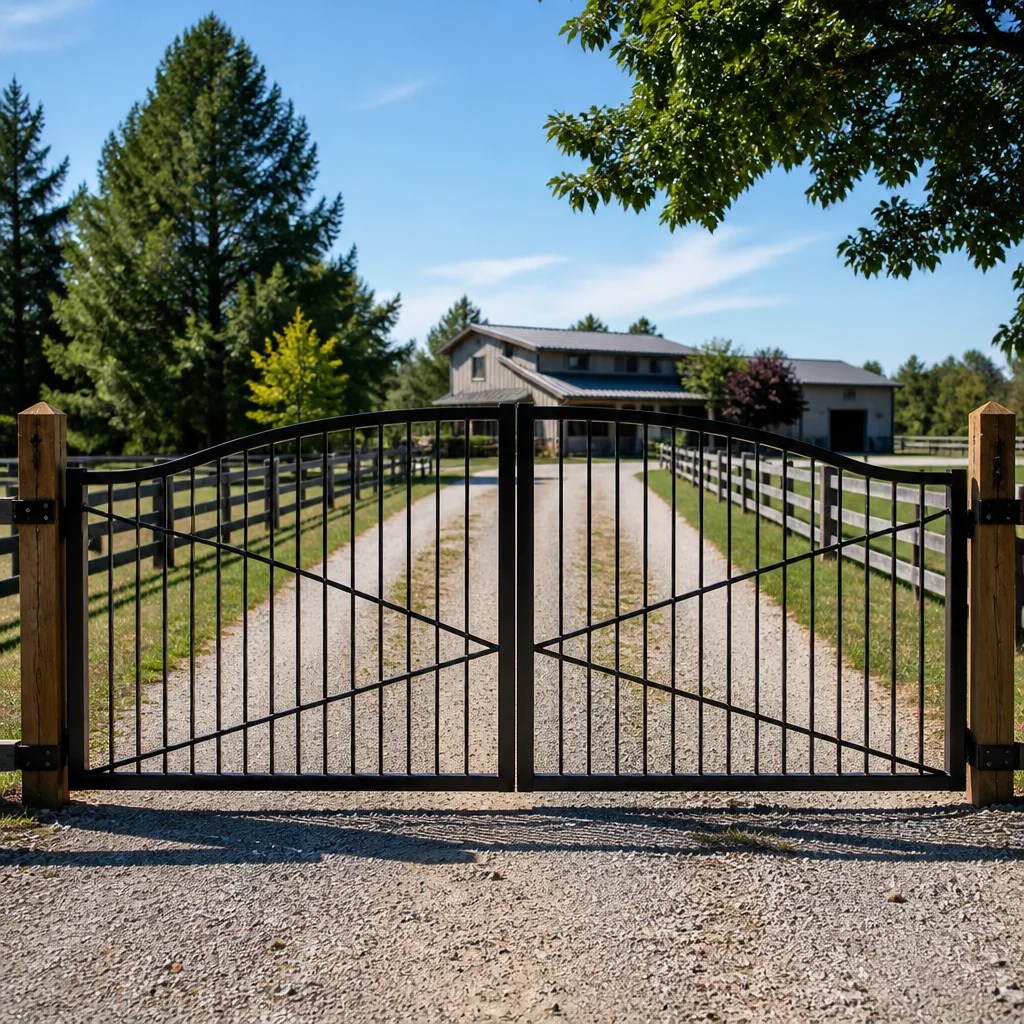 Farm & ranch
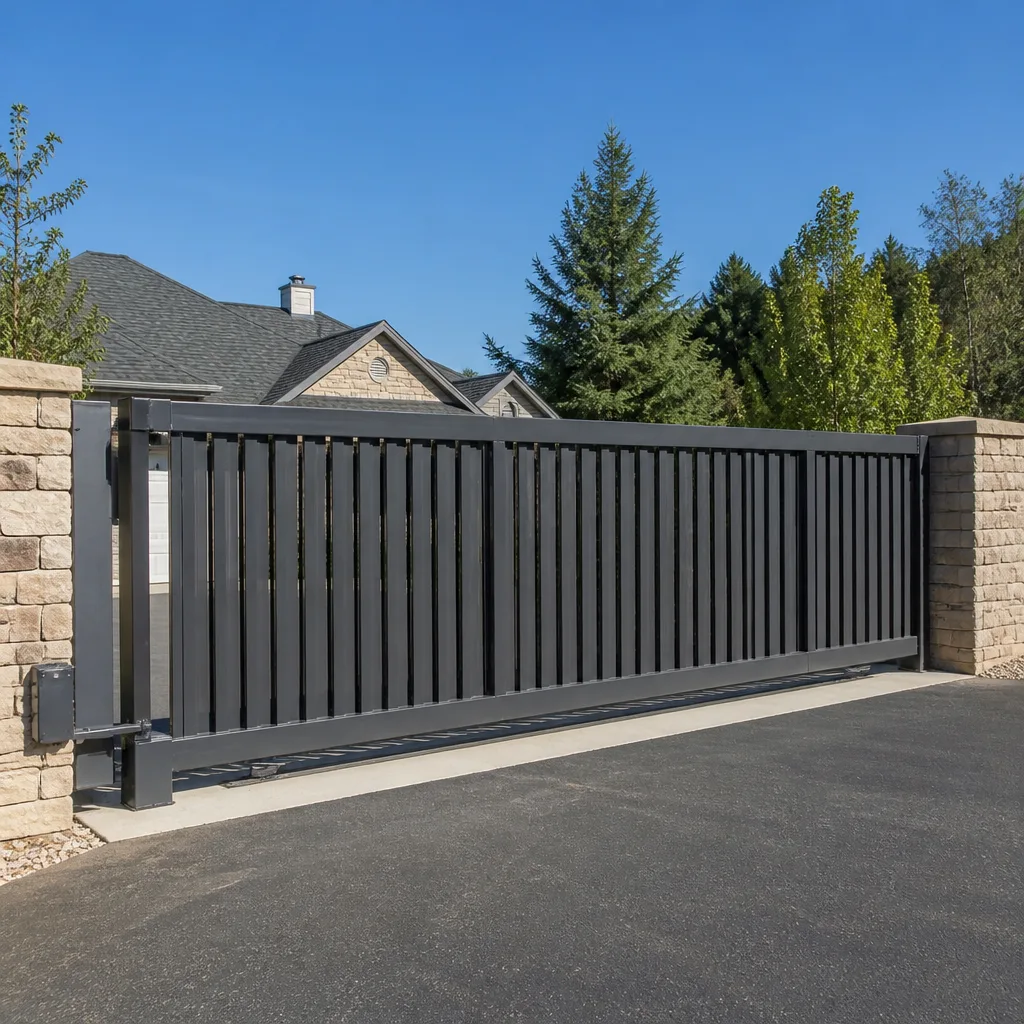 Sliding driveway gates
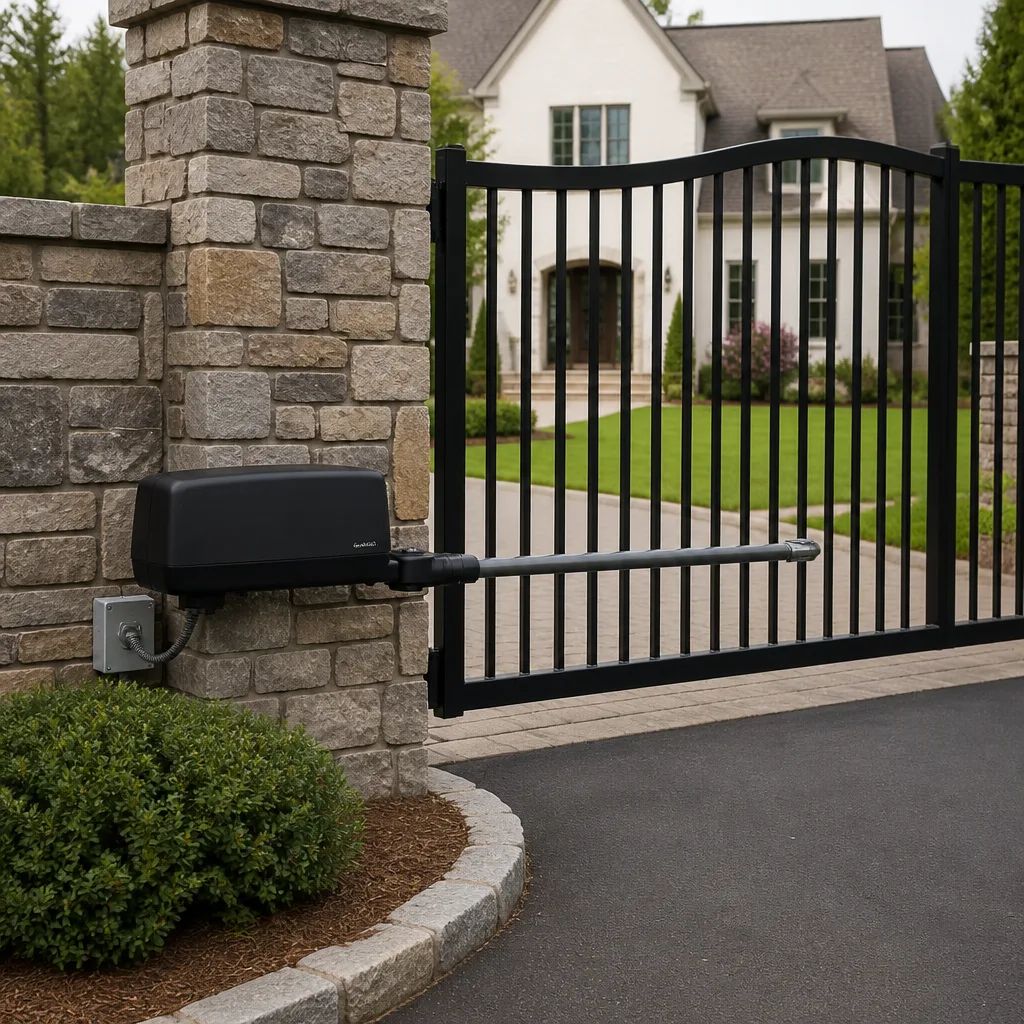 LiftMaster operators
Free on-site gate assessment - hinges, posts, and your LiftMaster or Nice gate operator checked before anything is quoted
The assessment is free and the quote is the invoice.
Get your free estimateThe Complete Guide to Gate Repair in Columbia
Most gate problems aren’t motor problems. That’s the first thing we tell homeowners who call us convinced their operator is dead. In our experience, the majority of “failed motors” we diagnose are actually misaligned limit switches, worn hinges, degraded loop detectors, or force settings that were never right to begin with. A technician who assumes the motor is the culprit replaces a part that was working fine and bills you for the wrong repair. This guide maps common failure modes to their real causes, covers how Columbia’s clay-heavy soil shifts swing gate posts over time, and explains when a fix is a Band-Aid versus when it addresses the root cause. By the end you’ll know what’s actually wrong before anyone touches your gate.
Quick Answer
Gate repair in Columbia usually starts with a diagnosis, not a part swap. Most failures trace to one of four components: the operator motor, the control board, the limit switches that tell the gate where to stop, or the physical hardware (hinges, rollers, tracks, posts). Identifying which component is actually failing determines whether you need a minor adjustment or a full operator replacement. A gate-only specialist who knows your brand can usually diagnose the problem on the first visit and quote the repair before any work begins.
Styles & brands we work with
- Wrought iron
- Wood & steel frame
- Farm & ranch
- Sliding driveway gates
- LiftMaster operators
Table of Contents
- Mapping the Failure: Symptom to Component
- How Columbia’s Clay Soil Misaligns Gate Posts
- Is Your Gate Slow Because of Motor Wear or Force Settings?
- Band-Aid Versus Root-Cause Repair: How to Decide
- Why Brand Familiarity Changes Diagnostic Speed
- Electric Gate Repair: What’s Different About Automated Systems
- When Repair Isn’t Enough: Installation and Replacement
- What a Maintenance Visit Actually Covers
Mapping the Failure: Symptom to Component
Before anyone opens a control box, the symptom narrows the search. A gate that won’t move at all points somewhere different than a gate that moves but stops halfway. Here’s how we map common symptoms to the components that usually cause them:
- Gate won’t open or close at all, no sound from the operator: power supply, control board, or a safety input that’s stuck open (like a photo eye that’s blocked or misaligned).
- Operator hums but gate doesn’t move: mechanical binding in the hinges or track, a worn drive gear, or the gate is physically jammed against its stop.
- Gate opens partway then reverses: limit switch out of adjustment, obstruction sensor triggering, or incorrect travel programming.
- Gate moves slowly or struggles: motor wear, low battery on a solar unit, or force settings that are too low for the gate’s weight.
- Gate drifts or doesn’t latch closed: limit switch position, hinge sag, or a post that has shifted out of plumb.
- Remote or keypad works intermittently: receiver board, antenna, battery in the remote, or a failing control board input.
Notice how many of these trace back to the same handful of parts. On a Viking or DoorKing system, for example, a “gate won’t close” call is often a limit switch or a safety loop issue, not a dead operator. Technicians who know the brand recognize the pattern quickly because the control board’s LED diagnostics tell them exactly which input is holding the gate open. That’s the difference between a 20-minute diagnosis and an hour of guessing. If you’re not sure which category your gate falls into, a diagnostic visit from a gate repair specialist settles it fast.
How Columbia’s Clay Soil Misaligns Gate Posts
Columbia sits on heavy clay soil, and clay behaves differently from sand or loam when it gets wet. It swells, then shrinks as it dries. That shrink-swell cycle happens every season, and it puts slow, steady pressure on anything buried in it, including gate posts. Over a few years, a swing gate post that was set perfectly plumb can shift a fraction of an inch. That fraction is enough to throw off the gate’s alignment, bind a hinge, or push the gate out of the operator’s travel range.
This is why so many gate problems in Columbia look like operator failures but aren’t. The symptoms are telling:
- The gate drags or rubs at the bottom of its swing near the latch side.
- The gate closes but doesn’t latch without a push.
- The operator strains at one end of the travel and runs smoothly at the other.
- Gaps open up between the gate frame and the post.
- The gate binds more in spring after wet weather and less in late summer.
If any of those sound familiar, the repair may start with the post and hinge hardware, not the motor. Sometimes re-setting a hinge or shimming a post solves the whole problem. Sometimes the post needs to be reset deeper so it’s below the active soil layer. That’s a judgment a gate specialist makes on-site, and it’s the kind of call that a general handyman or a garage-door technician often misses. Clay soil is a Columbia-specific factor that shapes how we approach nearly every swing gate repair here.
Is Your Gate Slow Because of Motor Wear or Force Settings?
A slow gate has two main suspects, and they call for completely different repairs. Motor wear is a physical decline in the operator. Force settings are a programming issue. Telling them apart matters because one means replacement and the other means a five-minute adjustment.
Motor wear shows up gradually. The gate gets slower over months, the operator runs hotter, and it may struggle more on cold mornings or when the gate is loaded with wind. On a battery-backup or solar unit like a Ghost Controls system, a weak battery mimics motor wear until you test the voltage. A worn motor usually needs rebuilding or replacement.
Force settings are a different story. Every automated operator has a force or torque setting that tells the motor how hard to push before it stops and reverses. Set too low, the gate moves slowly or stalls on the slightest resistance. Set too high, the gate can crush or injure. Force settings get knocked out of whack during power surges, control board replacements, or when someone reprogrammed the operator without the manual. The fix is to recalibrate force to the gate’s actual weight and travel.
Here’s a quick way to tell them apart:
- Watch the gate through a full open and close cycle. Does it slow down at the same point every time, or is it uniformly slow? A consistent slow spot points to force settings or a mechanical bind; uniform slowness points to motor wear.
- Disconnect the operator (safely, per the manual) and try to move the gate by hand. If it moves freely, the problem is electrical or programming. If it binds, the problem is mechanical.
- Check the control board for error codes. Most brands log overcurrent or stall faults when the motor is straining.
- Test the battery if the unit runs on battery or solar. A weak battery causes slow, labored operation that looks like motor failure.
If you’re not comfortable disconnecting an operator, that’s the right instinct. The components inside a control box carry live power, and the gate itself is heavy enough to injure. A trained technician with a multimeter and the brand manual settles the question in minutes.
Band-Aid Versus Root-Cause Repair: How to Decide
Not every repair needs to be a full overhaul, and not every cheap fix is a smart one. The question is whether the repair addresses what’s actually failing or just buys time. Here’s the decision framework we use:
A repair is a Band-Aid when:
- It fixes a symptom without testing the component that caused it. (Replacing a fuse without finding why it blew.)
- It repeats within a few months. If the same part fails again, the cause is upstream.
- It compensates for a physical problem with an electrical workaround. (Cranking up force settings to push through a binding hinge.)
- It’s on a component that’s already past its service life and being asked to carry more load than it was designed for.
A repair addresses the root cause when:
- The failing component is identified with a test, not a guess.
- The repair includes correcting whatever caused the failure (realigning the post, replacing the worn hinge, resetting the limit switch).
- The force and travel settings are recalibrated after the repair to match the gate’s actual condition.
- The technician explains what failed and why, in plain terms, before the work starts.
In our experience, the difference between a repair that lasts and one that doesn’t usually comes down to diagnosis. A technician who tests the limit switch, the control board, and the mechanical hardware before quoting gets the cause right the first time. That’s the whole reason we focus exclusively on gates and stay familiar with the brands our customers actually own. A specialist isn’t a luxury; it’s what keeps you from paying twice for the same problem.
Why Brand Familiarity Changes Diagnostic Speed
Gate automation isn’t one technology. Every brand has its own control board layout, its own diagnostic codes, its own programming quirks, and its own failure patterns. A technician who knows LiftMaster systems but not FAAC will spend an hour reading a manual on a FAAC operator. A technician who’s worked on FAAC before recognizes the fault code in seconds.
We service nine leading gate automation brands: LiftMaster, FAAC, BFT, Linear, Viking, Ghost Controls, DoorKing, Elite, and Mighty Mule. That range covers most residential and commercial gate systems installed in Columbia and the surrounding area. It means we don’t turn away a customer because their gate runs a brand we don’t usually see. It also means we diagnose by system knowledge, not trial and error.
Two examples of how brand familiarity plays out:
- DoorKing systems are common on commercial and HOA properties, and their access-control features (loop detectors, keypads, telephone entry) introduce failure points that a residential-only technician often misses. Knowing the DoorKing control board layout turns a “gate won’t open” call into a 15-minute loop detector diagnosis.
- Ghost Controls units are popular on residential swing gates, often solar-powered. Battery and solar charging issues on these systems mimic operator failure, but a technician familiar with the brand checks the charging circuit before assuming the motor is dead.
Brand familiarity also protects you from unnecessary upselling. A technician who can’t diagnose your existing system may recommend replacing it, simply because replacement is easier than repair. A specialist who knows your brand has no reason to push a new operator when a limit switch or control board fix will do.
Electric Gate Repair: What’s Different About Automated Systems
An electric gate has everything a manual gate has, plus a motor, a control board, safety sensors, and often an access-control system. That means more components, more failure modes, and more risk if someone opens the wrong panel. Electric gate repair is its own discipline, and it’s not the place for experimentation.
Here’s what an electric gate repair typically involves, in the order a technician works through it:
- Power and safety check. Confirm the operator has power and that all safety inputs (photo eyes, edge sensors, loop detectors) are functioning. A gate that won’t close is very often a safety input that’s triggered, not a motor failure.
- Control board diagnostics. Read the fault codes and LED indicators. Most brands log which input is active and which fault caused the last stop.
- Limit switch and travel test. Verify the gate stops where it should in both directions, and that the limits aren’t drifting.
- Mechanical inspection. Check hinges, rollers, tracks, and posts for wear or misalignment that would cause the operator to work harder than it should.
- Force and speed recalibration. After any repair, reset force and speed to match the gate’s actual condition, per the manufacturer’s spec.
Access control adds another layer. Keypads, card readers, telephone entry systems, and intercoms all tie into the operator, and a failure in any one of them can block the gate from opening. We handle those systems too, which means a problem that crosses from the access control into the operator gets diagnosed by one technician, not handed off between two companies.
When Repair Isn’t Enough: Installation and Replacement
Sometimes the honest answer is that the gate or operator has reached the end of its service life. That’s not a sales pitch; it’s a judgment based on what the repair will cost versus what a new system delivers. Here’s when we typically recommend installation over repair:
- The operator is obsolete and parts are no longer available for the brand or model.
- The gate frame is rusted or structurally compromised beyond cost-effective repair.
- The gate has been repaired repeatedly for the same failure and the root cause can’t be fixed (for example, a post that can’t be reset because of site conditions).
- The property’s needs have changed: a manual gate that needs automation, a residential gate that needs commercial-grade access control, or a system that needs to integrate with new security infrastructure.
Installation is a different process from repair. It starts with a site visit to measure the opening, check the soil and footing conditions, and confirm power availability. From there, the gate style, operator, and access control are specified, then ordered, then installed. That means installation is scheduled work, not same-day work. A written estimate covers the full scope: the gate, the operator, the access control, the power run, and the safety edges if they’re part of the system. Every part of the job gets quoted and agreed before any work starts.
Because we handle both repair and installation, you’re not bounced between a repair company and an install company when a gate crosses that line. The same technician who diagnosed the problem can answer whether repair genuinely makes sense or whether replacement is the better call.
What a Maintenance Visit Actually Covers
Gate maintenance isn’t a subscription or a service plan. It’s a one-time visit where a technician goes through the system and checks for the wear that leads to failures. Priced per job after we look at the gate, it’s worth doing when you want to catch a problem before it strands your gate.
A maintenance visit typically covers:
- Hinge, roller, and track inspection for wear, play, or binding.
- Post and footing check for movement or misalignment.
- Operator and control board inspection, including fault code review.
- Limit switch verification and travel adjustment.
- Force and speed recalibration to the manufacturer’s spec.
- Safety sensor testing: photo eyes, edge sensors, and loop detectors.
- Battery and charging circuit check on battery or solar units.
- Hardware tightening and lubrication of the moving parts that need it.
For HOA and commercial properties, a regular maintenance visit is often the difference between a gate that’s reliable and a gate that fails during a busy period. Columbia’s clay soil makes the post and footing check especially important here, since the shrinkage cycle can shift a gate out of alignment over a season. Catching that early is a lot cheaper than replacing a strained operator.
Common Mistakes to Avoid
- Assuming the motor is the problem. Most “dead operator” calls turn out to be limit switches, safety sensors, or wiring. Testing first, replacing second, saves you money and time.
- Cranking up the force setting to “fix” a slow or binding gate. That pushes the operator past its safe limits and can crush or injure. Find the actual cause.
- Using a general handyman or garage-door technician. Gates have different components, different safety requirements, and different brands. A specialist diagnoses faster and doesn’t upsell a replacement just because the brand is unfamiliar.
- Ignoring soil and post alignment in Columbia. Heavy clay shifts things slowly. A repair that skips the post and hinge check often fails again within a season.
- Skipping the safety sensor test. A gate that closes on a person or a vehicle is a serious hazard. Photo eyes, edge sensors, and loop detectors should be tested regularly, not just when something goes wrong.
- Repairing the same failure over and over. If a part keeps failing, the cause is upstream. Diagnose the root cause instead of replacing the same component again.
- Waiting until the gate fails completely. A slow hinge or drifting limit switch is much cheaper to fix than a failed operator. If the gate is starting to act up, address it early.
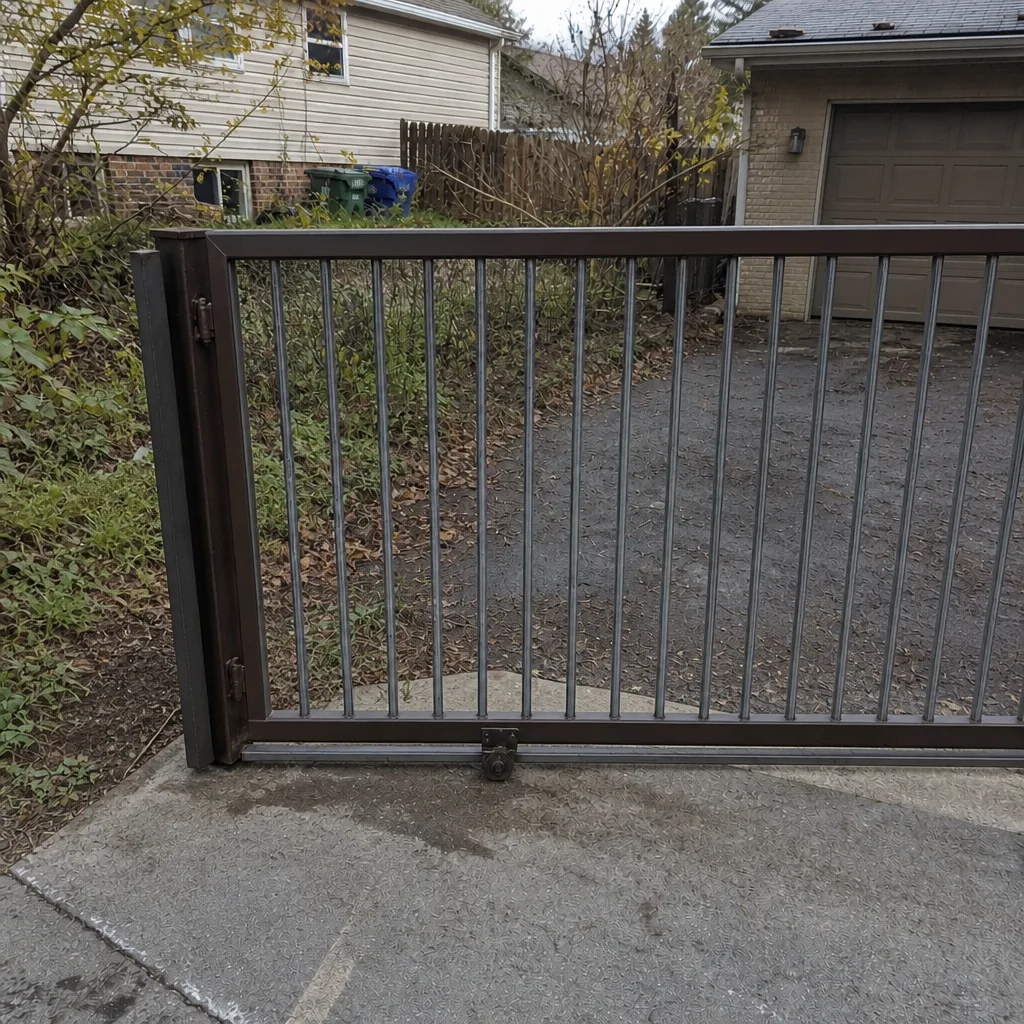
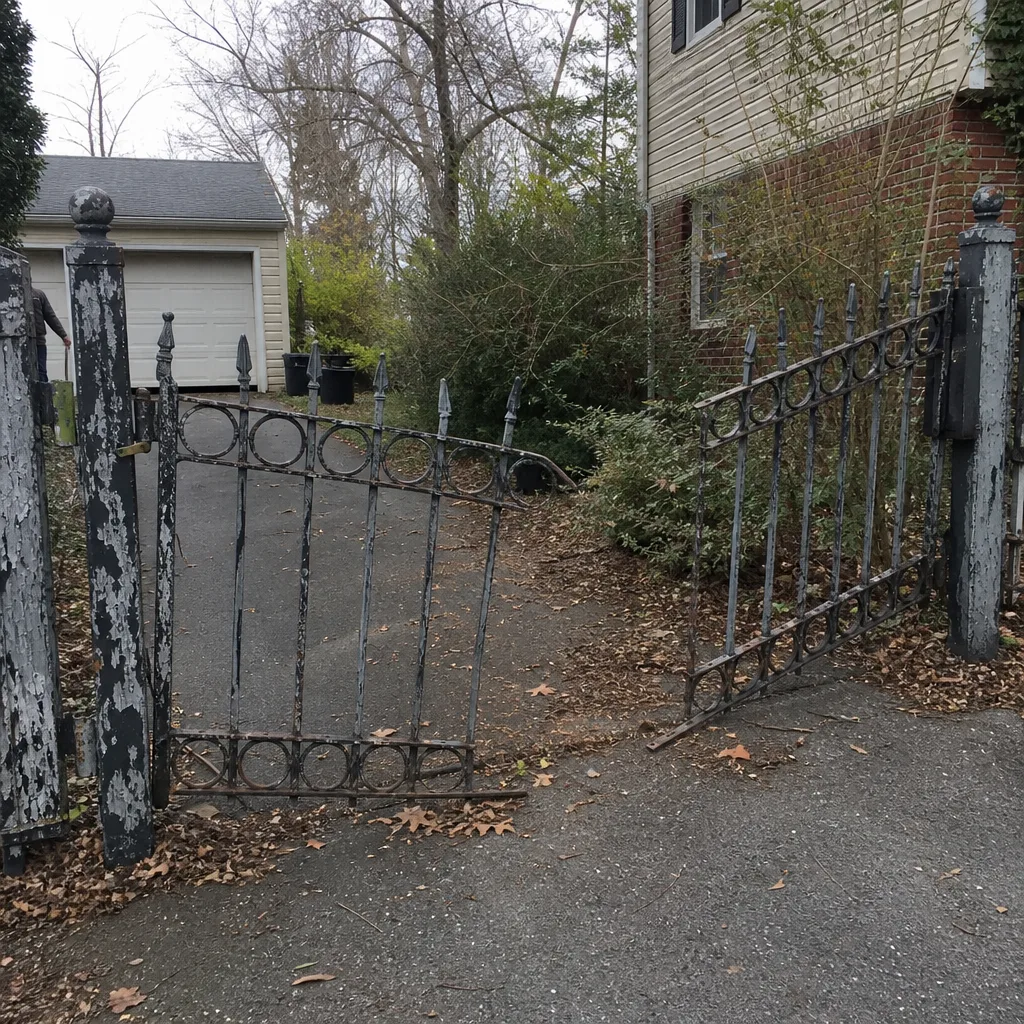
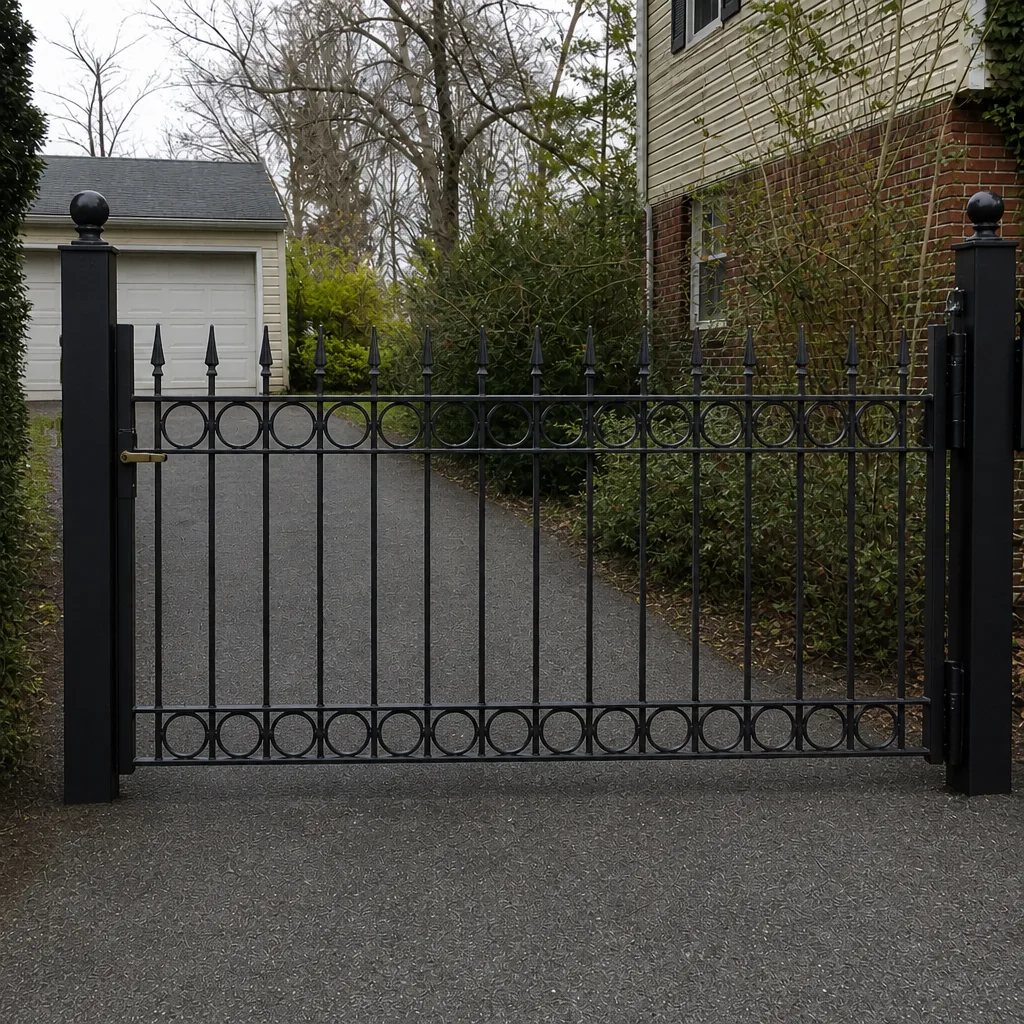
See the difference
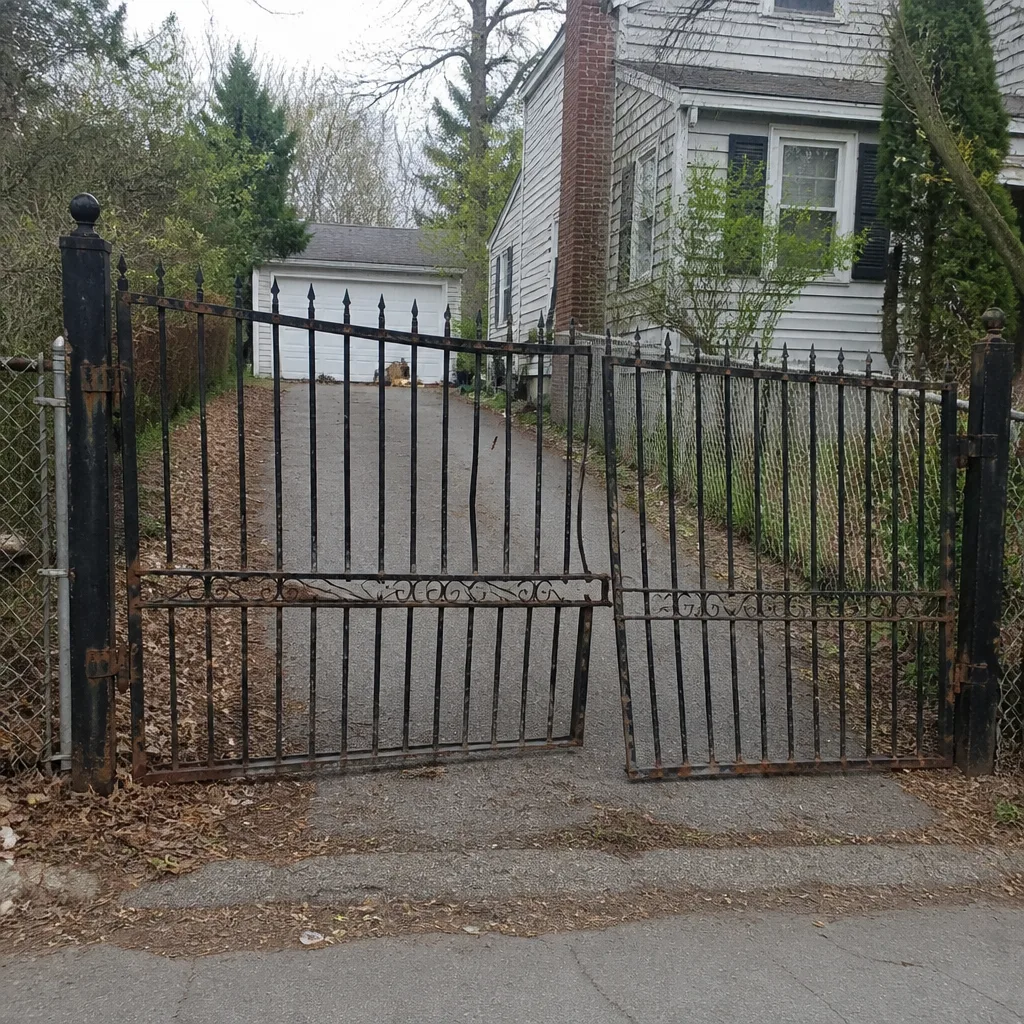 Before
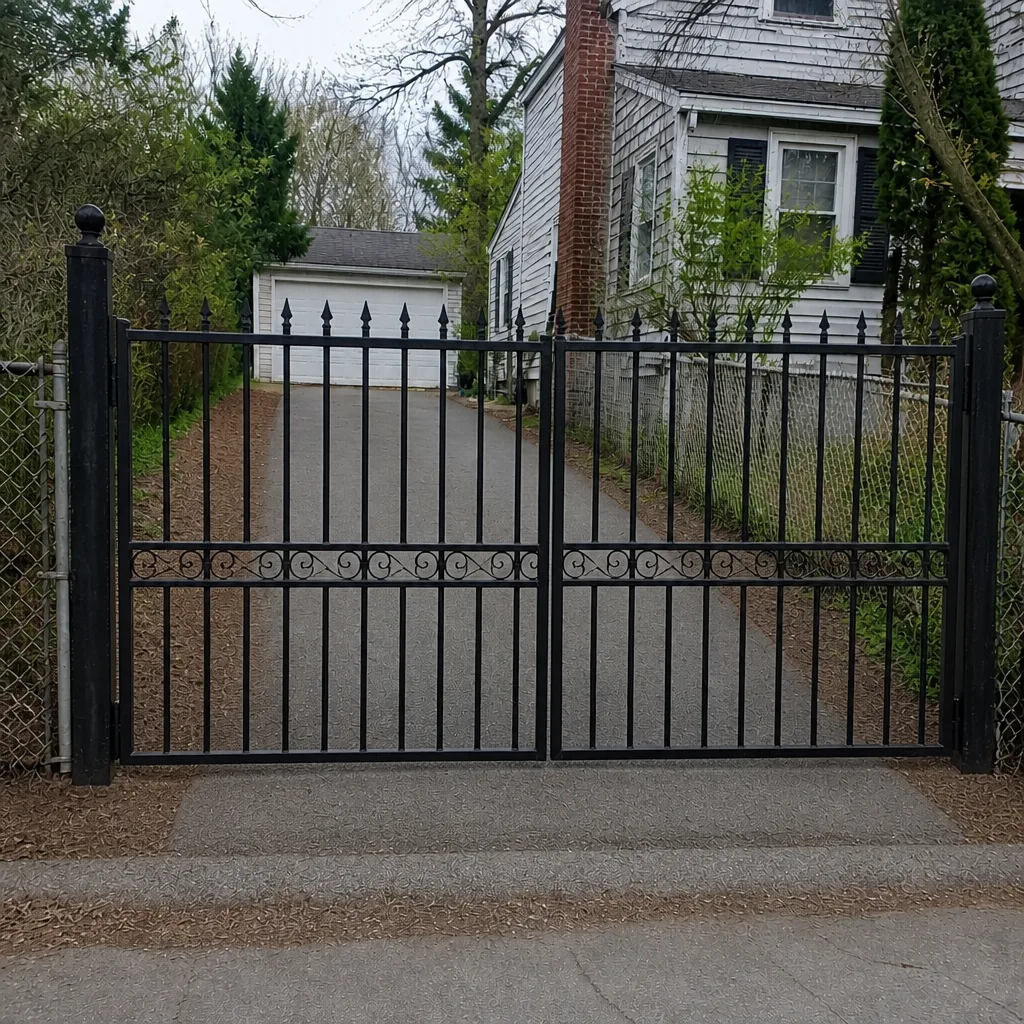 After
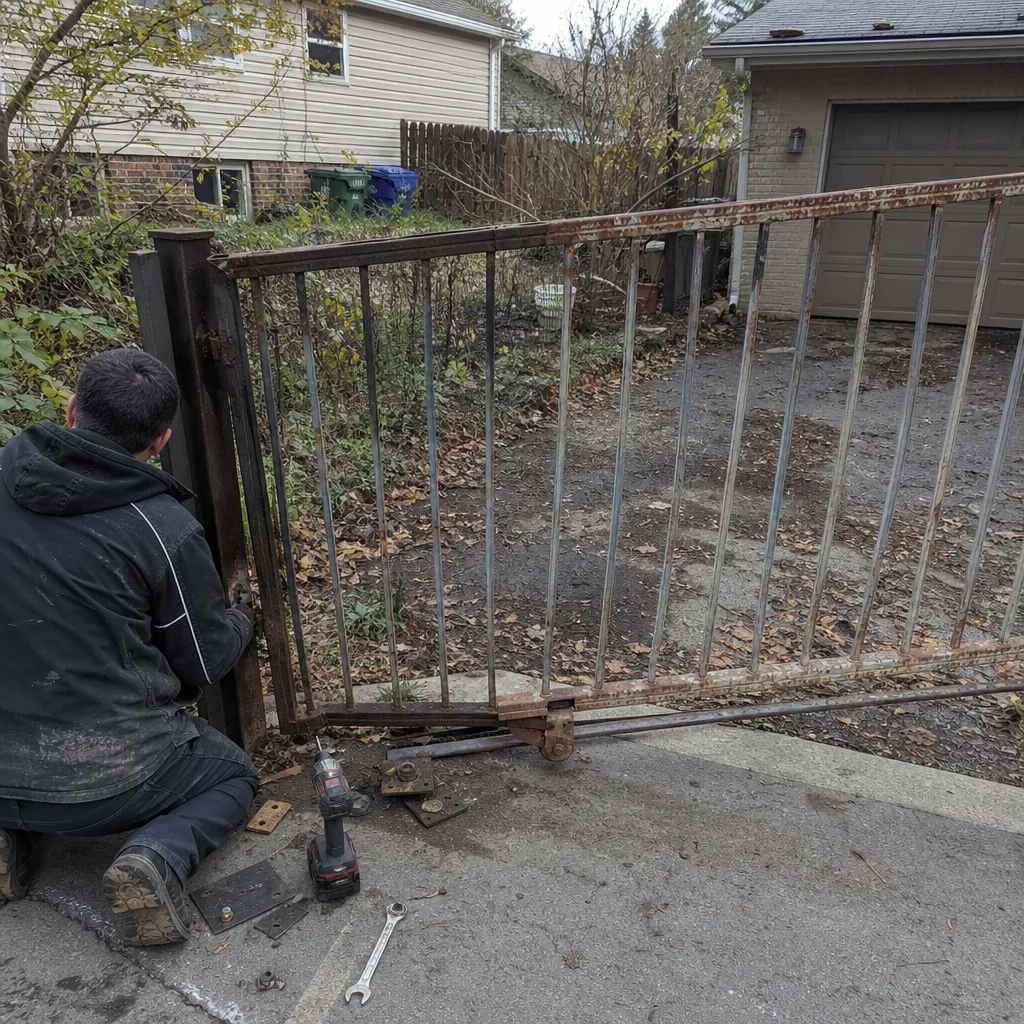 Before
 After
 Before
 After
When to Call a Professional
Some gate problems are a clear call for a technician. If the gate won’t open or close at all, if the operator is humming but the gate isn’t moving, if the gate reverses or stops partway, if any safety sensor is tripping, or if you see a post that’s visibly out of plumb after wet weather, it’s time to have someone look at it. The same applies to any electrical component inside the control box or any wiring you’re not sure about. Control boards carry live power, and gate panels are heavy enough to injure. Don’t open the panel yourself. Gate Repair Columbia offers free estimates in Columbia. Call (866) 519-6885. We answer 24/7. Fast dispatch from 7am to 7pm, Sunday through Friday. Your quote is written and agreed before any work starts.
Frequently Asked Questions
Gate repair is priced per job by written estimate, not by a flat rate. The final cost depends on the failing component (a limit switch adjustment is very different from an operator replacement), the gate type, and the brand. We quote the repair in writing and agree it with you before any work begins. Call (866) 519-6885 for a free estimate.
Often, yes. We answer 24/7 and dispatch from 7am to 7pm, Sunday through Friday. If your gate won’t open, close, or respond, call and we’ll schedule the earliest available dispatch. A call outside dispatch hours is booked into the next opening. Installation and full replacement work is scheduled separately since it requires measurement and ordering.
We service nine leading brands: LiftMaster, FAAC, BFT, Linear, Viking, Ghost Controls, DoorKing, Elite, and Mighty Mule. That covers most residential and commercial systems installed around Columbia. If you’re not sure which brand your gate runs, call and we’ll help you identify it.
The most common causes are a limit switch out of adjustment, a safety sensor triggering, or a force setting that’s too low for the gate’s weight. Less often it’s a control board fault or a mechanical bind. A technician with the brand manual and a meter can diagnose which one in a single visit. Don’t adjust the force setting to workaround the problem; that can create a safety hazard. Call (866) 519-6885 for a diagnostic visit.
Yes. We handle residential and commercial gate systems, including the access control (keypads, loop detectors, telephone entry) that HOA properties typically rely on. Because we know brands like DoorKing well, we diagnose access-control failures quickly and quote the repair before any work starts. Call (866) 519-6885 to schedule an on-site estimate.
It depends on what’s failing. A limit switch, control board, or hinge repair is almost always cheaper than replacement. A failing operator on an obsolete brand, a rusted gate frame, or a post that can’t be reset may make replacement the better call. A specialist can tell you which side of that line your gate is on, based on the actual condition of the system, not a guess. Call (866) 519-6885 and we’ll give you a straight answer in the estimate.
The Bottom Line
Most gate problems in Columbia are diagnosable, and most are fixable without replacing the operator. The key is to identify which component is actually failing before anyone touches the gate: the limit switch, the safety sensor, the control board, the motor, or the physical hardware affected by Columbia’s clay soil. A specialist who knows your brand diagnoses by system knowledge, not guesswork, and quotes the repair in writing before the work starts. When you’re ready for a straight answer about your gate, call (866) 519-6885. We answer 24/7, fast dispatch from 7am to 7pm, Sunday through Friday. Free estimates in Columbia and the surrounding area.
Written by the team at Gate Repair Columbia.