
Last updated November 15, 2026
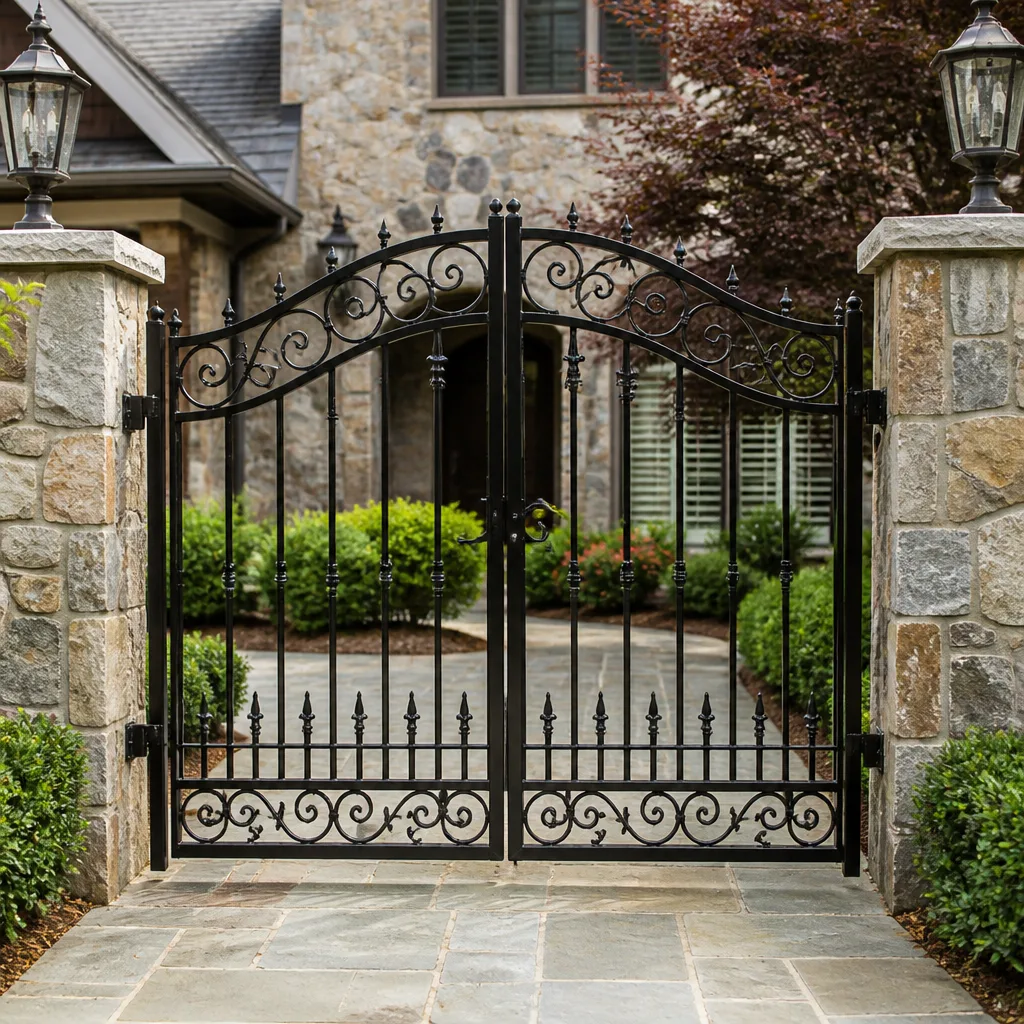 Wrought iron
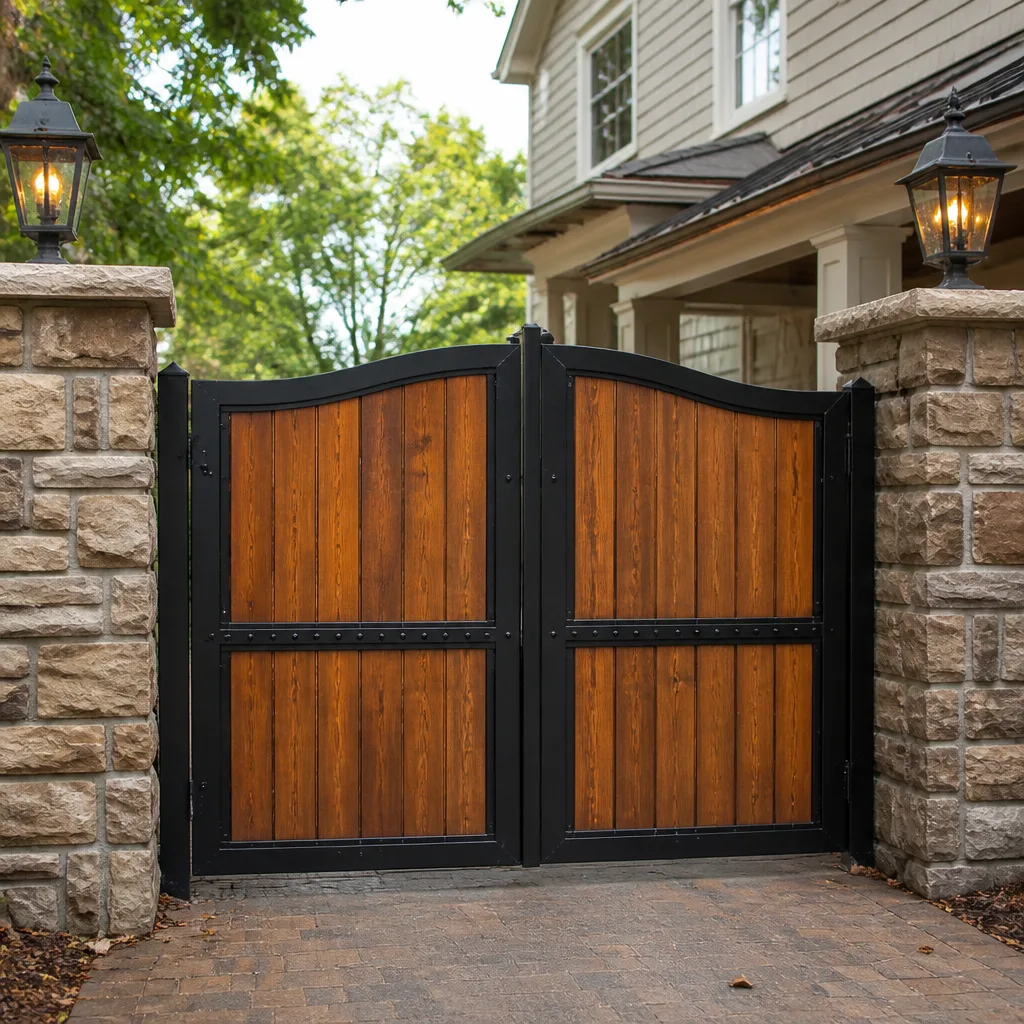 Wood & steel frame
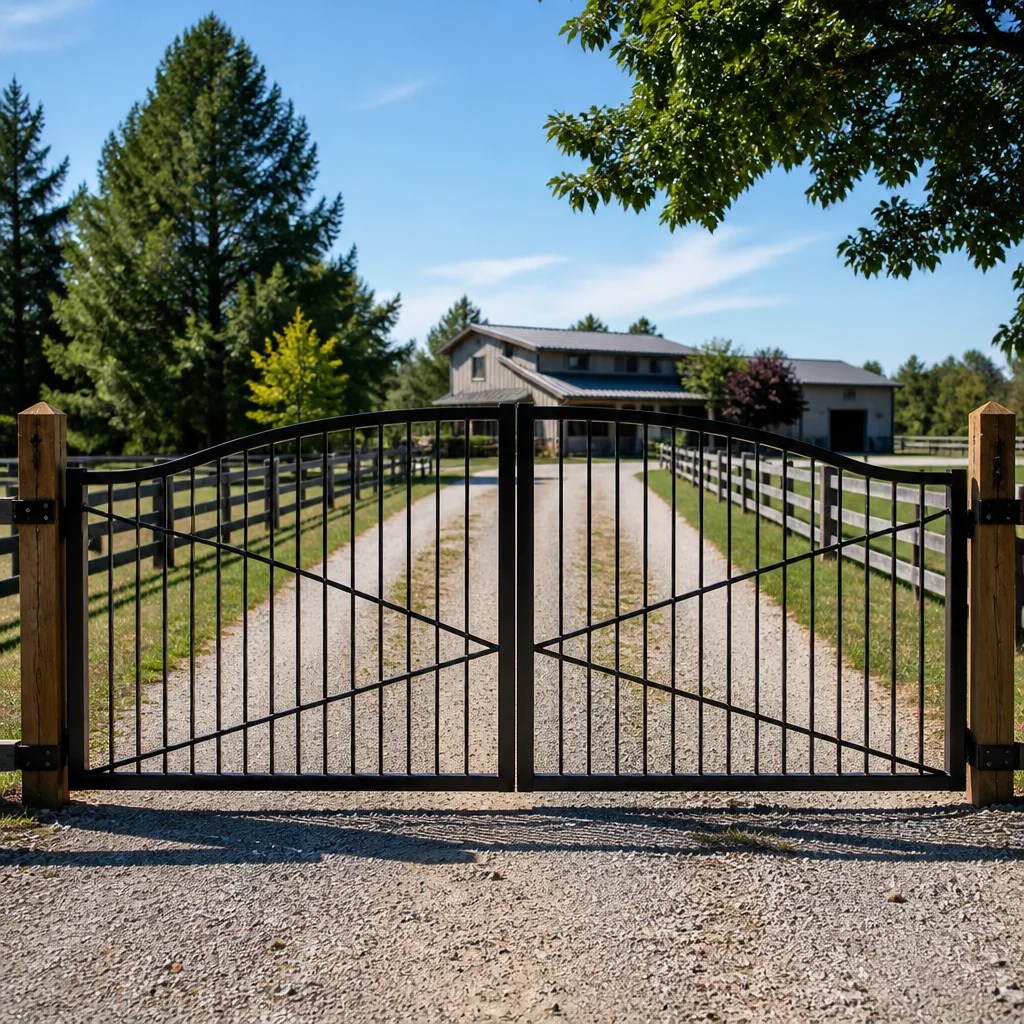 Farm & ranch
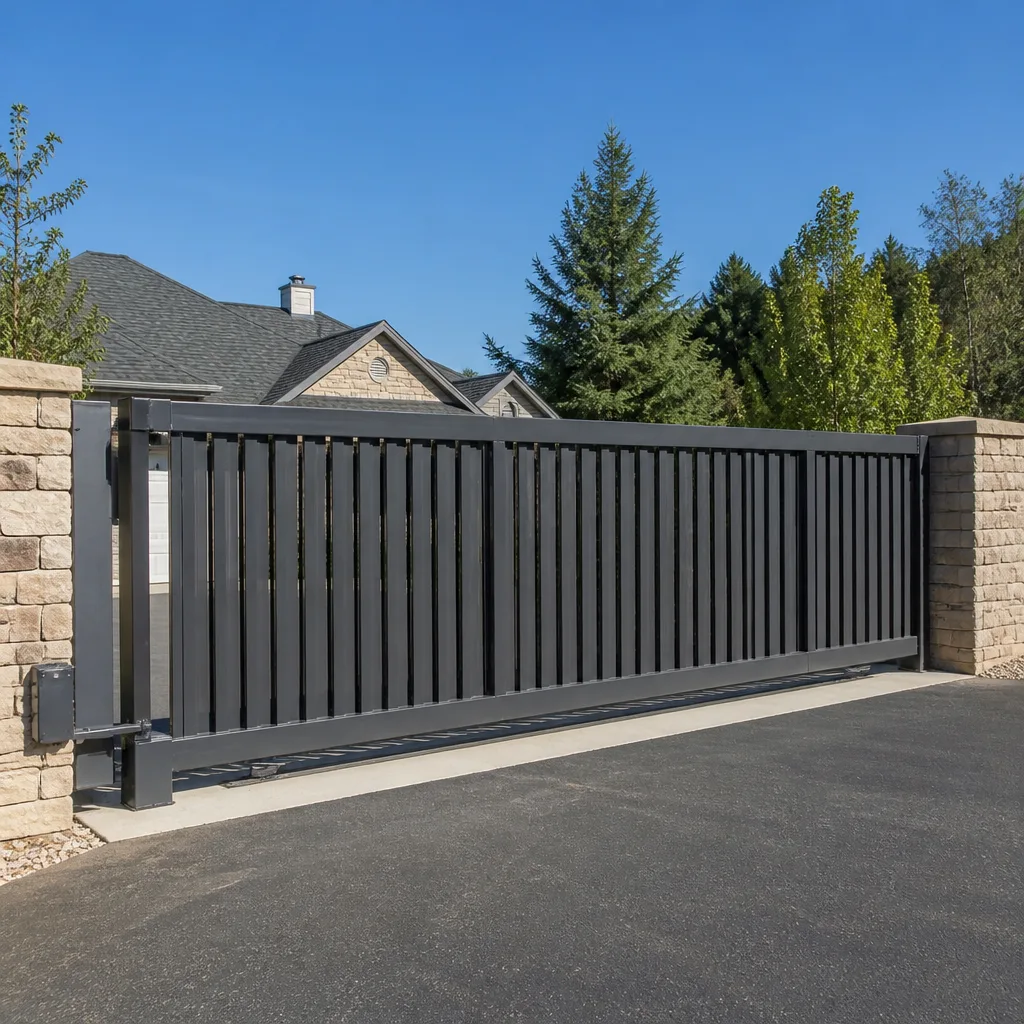 Sliding driveway gates
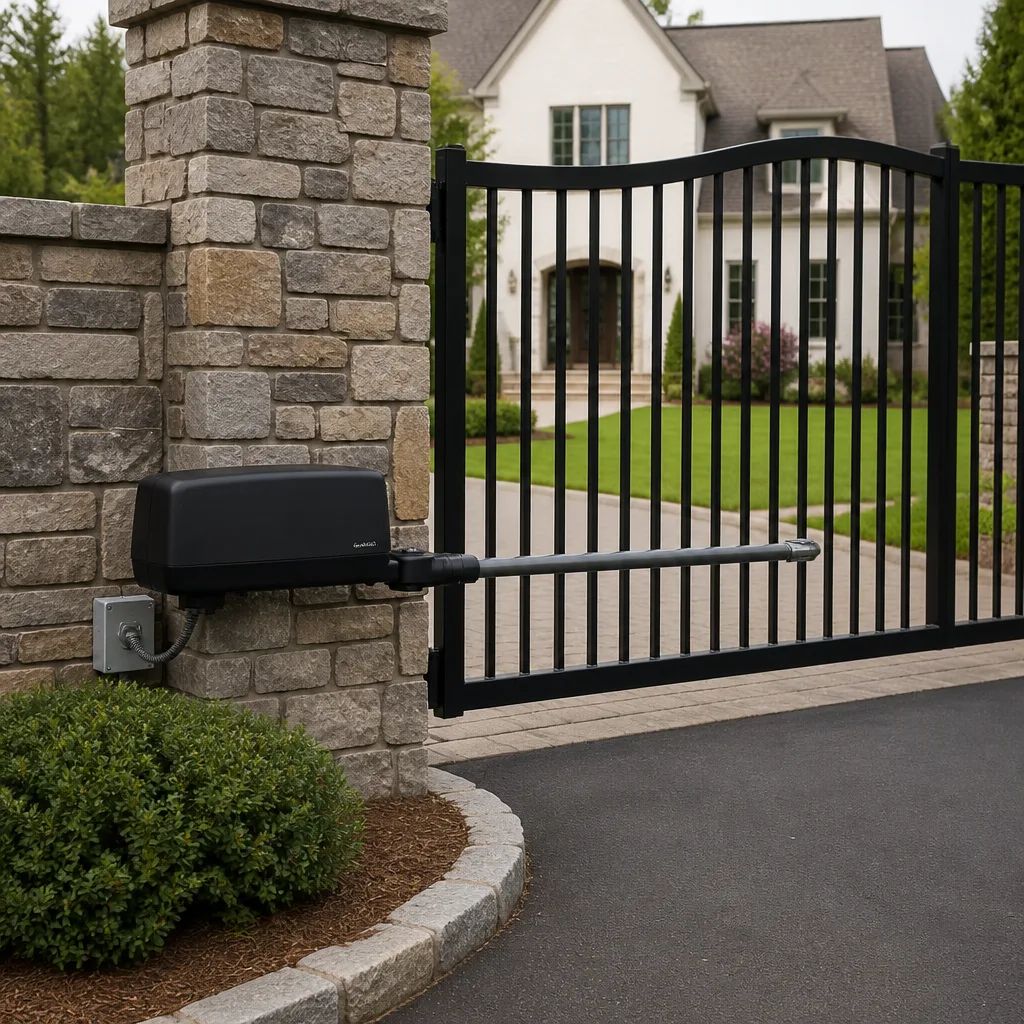 LiftMaster operators
Free on-site gate assessment - hinges, posts, and your LiftMaster or Nice gate operator checked before anything is quoted
The assessment is free and the quote is the invoice.
Get your free estimateGate Repair Troubleshooting in Columbia: Common Problems and How to Fix Them
A gate that reverses before it closes all the way isn’t broken. Its limit switch is lying to it. That single misdiagnosis sends a lot of gates to the scrap heap when the operator was working fine and one sensor was just slightly out of position. Same story with a gate that “won’t respond to the remote” when the breaker tripped at 4am, or a sliding gate that “drags” when the real problem is a roller that’s worn flat.
In Columbia, the freeze-thaw swing between a 20-degree morning and a 55-degree afternoon does specific damage that warmer-climate troubleshooting guides never address, and it’s the reason so many Columbia gates start acting up in late winter. This guide gives you a symptom-to-cause map for the five most common failures, a couple of checks you can safely do yourself, and a clear line where you should stop and call a technician.
Quick Answer
Most residential gate failures in Columbia come down to three things: the control board, the limit switches, or the ground connection. Reversal mid-cycle means the limit switch is out of adjustment or obstructed. No response to the remote usually means power, battery, or receiver sync. Partial opening points to a limit setting or a bad safety edge. Grinding noise means mechanical wear at the rollers, hinges, or track. A gate that drifts open overnight points to a failing brake or a control board that’s lost its memory. You can safely diagnose power, remote batteries, and visible obstruction yourself; anything involving the control board, the wiring run, or a live-voltage operator is a job for a trained technician.
Styles & brands we work with
- Wrought iron
- Wood & steel frame
- Farm & ranch
- Sliding driveway gates
- LiftMaster operators
Table of Contents
- Symptom-to-Cause Map: The Five Failures We See Most
- How Columbia’s Freeze-Thaw Cycles Stress Your Gate
- The Two-Minute Safety Interlock Check
- Why a Flashing Operator Light Is a Diagnostic Code
- Safe to Diagnose vs. Time to Call a Technician
- Brand-Specific Behaviors: Linear, Viking, Ghost Controls, DoorKing
- Seasonal Checks That Keep a Columbia Gate Operating
- When to Call a Professional
Symptom-to-Cause Map: The Five Failures We See Most
Before you call anyone, note exactly what the gate does and when. The single best piece of diagnostic information you can give a technician is precise behavior: does it reverse at the same spot every cycle, does it reverse only when it’s cold, does it reverse only when a car is sitting in the path? A gate is a mechanical system with a brain, and its behavior is telling you which part of that system is failing.
Here’s the map we use in our own diagnostic work when we’re called to a Columbia property.
1. Gate reverses mid-cycle
The most common cause is a limit switch that’s slightly out of adjustment or physically obstructed (dead leaves, ice, a spider nest). Secondary causes are a misaligned safety edge, a photo-eye that’s lost alignment, or a failing encoder on the operator. Check the photo-eye alignment and clear the path first.
2. No response to remote
Check power at the operator first, then the remote’s battery, then the receiver. On multi-remote systems, one remote working and others not is almost always the receiver’s memory or the pairing, not the operator itself.
3. Partial open or partial close
A gate that travels only part of the way and stops is usually hitting a programmed limit or a reversed safety input. If the same spot stops it every time, it’s a limit. If the stopping point varies, it’s the safety edge or an obstruction sensor.
4. Grinding or scraping noise
Mechanical, not electronic. Worn or flat-spotted rollers, a hinge weld that’s cracked, or a track that’s out of alignment after ground movement. In Columbia, freeze-thaw heaving is a common cause of a suddenly misaligned track.
5. Gate drifts open overnight
The operator has a brake or a positive-stop mechanism, and either the brake is failing or the control board has lost its memory after a power interruption. A gate that creeps open when nothing commands it to is a control board or brake issue, not a remote issue.
Every one of these five has a fast, cheap diagnosis. But the difference between a two-minute fix and a two-hundred-dollar service call is knowing which of the five you’re dealing with before the truck rolls. If we can’t identify the cause from your description over the phone, we come out and measure. Either way, the technician diagnoses by system knowledge rather than by replacing parts and hoping.
How Columbia’s Freeze-Thaw Cycles Stress Your Gate
Columbia sits in a climate with a real winter that isn’t quite a deep-freeze. The average January low sits near 25 degrees, the average July high near 88, and the ground cycles across the freezing point dozens of times per winter. That cycle is specifically hard on a gate system in ways that a troubleshooting guide written for a Southern climate will miss entirely.
When water gets into a hinge weld or a bottom roller bearing and freezes overnight, it expands. When it thaws the next afternoon, it contracts. Over a single winter, that small expansion-and-contraction happens many times. The result is that hinge welds develop hairline cracks that a Southern gate would never see, and bottom rollers flat-spot more aggressively because freeze-thaw keeps the roller from rotating freely on cold mornings.
What this looks like in the field:
- Hinge weld cracks. A swing gate that suddenly sags or drags at the top of its travel in February is usually showing a weld that opened over the winter, not a hinge that wore out.
- Flat-spotted rollers. A slide gate that grinds or bumps at one point in its travel on a cold morning is usually showing a roller that froze in one position and took a flat spot.
- Misaligned track after ground heave. A slide gate that runs smoothly in summer and starts binding in January is often showing a track that lifted slightly with the frost.
- Stiff manual gates. A manually operated gate that “used to swing freely” and now takes two hands in winter is often binding at a hinge that’s picked up rust or grit.
The fix isn’t heroic. It’s seasonal. In late fall, before the first hard freeze, we find it’s worth having a technician check hinge welds, roller condition, and track alignment. That one inspection catches the small issues before they become the February emergency. Our technicians have up to 9 years of experience, and the freeze-thaw pattern here is one of the things they know best.
For more on how to prepare a gate system for a Maryland winter, the Gate Repair Columbia guide covers seasonal care in more depth.
The Two-Minute Safety Interlock Check
Before you conclude that your operator is dead, run this check. Nine times out of ten, a “dead” operator is actually a functioning operator that’s been told not to move because a safety interlock is open. The operator isn’t broken; it’s obeying a safety input and waiting for that input to clear.
- Check the manual release. Has the release lever been pulled and not fully re-engaged? A gate that won’t respond to the remote but can be pushed open by hand is usually in manual mode.
- Check the photo-eye alignment. Both photo-eyes should be facing each other cleanly and free of dirt, cobwebs, or condensation. On many systems, a misaligned photo-eye reads as “obstruction” and refuses to move the gate at all.
- Check the safety edge. On a swing gate with a pneumatic or resistive safety edge, a pinched or disconnected edge wire produces the same “won’t move” behavior. Wiggle the safety edge gently and see if the operator responds.
- Check the keypad or entry device. A stuck key or a bad keypad can hold the operator in a perpetual “hold open” state, or trip a lockout. Disconnect the keypad if possible and test the operator with the remote only.
- Check the breaker. A tripped breaker at the panel is the most obvious cause and the most often missed. Reset it once, and if it trips again, stop and call a technician. Never reset a breaker repeatedly.
If the gate still doesn’t respond after these checks, the next step is either the control board or the wiring, and both carry live voltage. Don’t open the operator housing to look. That’s the point where you call a technician.
Why a Flashing Operator Light Is a Diagnostic Code
A flashing light on your operator isn’t a glitch. It’s the operator telling you, in its own language, exactly which fault it’s holding. Every major automation brand uses a specific blink pattern to signal specific faults, and diagnosing the gate by the blink pattern is often faster than testing anything else.
The pattern is consistent across brands even though the exact codes differ:
- One blink, pause, one blink. Usually a safety-device fault (photo-eye, safety edge, or obstruction input).
- Two blinks, pause, two blinks. Usually a limit or travel issue (the operator thinks it’s at the end of travel but isn’t).
- Three blinks, pause, three blinks. Usually a control-board or memory fault.
- Rapid continuous flash. Usually a “not ready” state, often the manual release or a stop command that’s still active.
- Solid light. Usually “ready” or a mid-travel state.
The tricky part is that the exact blink count for each fault differs by brand and even by model. A Linear operator that blinks a specific count for a receiver fault may blink a different count on a nearly identical operator two years newer. A DoorKing access-control system for a commercial lot uses a different protocol than a residential unit from the same brand. That’s why a technician who’s worked across many brands reads the pattern faster than someone who’s only worked on one.
When the operator’s telling you by light what’s wrong, use it. Write down the blink pattern and the brand and call a technician. A brand-specific diagnostic approach gets the right part on the first visit rather than the third. If you’re seeing a pattern you can’t place, our team at gate repair can read it over the phone or on-site.
Safe to Diagnose vs. Time to Call a Technician
The question readers ask us most often is a fair one: which of these problems can I fix, and which one should I call a technician for before I make it worse? Here’s our honest answer.
Safe to diagnose and fix yourself
- Remote battery. If the remote’s LED doesn’t light when pressed, replace the battery.
- Photo-eye alignment and cleaning. Both sensors facing each other cleanly and free of debris.
- Obstruction in the path. Leaves, ice, toys, tree limbs.
- Manual release check. Confirming the release is fully re-engaged.
- Breaker reset. Once. Not repeatedly.
- Remote re-pairing. If the manual covers it and the operator has a “learn” button accessible from outside the housing, this is safe.
Time to call a technician
- Any work inside the operator housing. Control board, wiring, and motor are all live voltage. Don’t open the housing beyond the manufacturer’s external access panel.
- Wiring at the operator or power source. Even low-voltage control wiring can carry mains voltage through a fault. Don’t test with a multimeter unless you’re qualified.
- Hinge welds, track, and structural steel. A gate that’s come off a track, a hinge weld that’s opened, or a post that’s pulled from the ground is a heavy-panel hazard. A swing gate panel can weigh several hundred pounds. It’s not a do-it-yourself job.
- A gate drifting open overnight that keeps recurring. Brake and control-board issues at the operator: live voltage.
- Concrete footing or post damage. Post replacement is a footing job, not a swap-out. Track the depth and the concrete; cutting corners puts the whole gate at risk.
The line is simple: if it doesn’t require touching a wire or moving a heavy panel, you can probably diagnose it yourself. If it does, that’s a code-required thing, not just a safety thing. A licensed technician will handle it correctly. Also worth knowing: many Columbia HOA communities and the City of Columbia’s own permitting rules may require a permit for a gate installation or a post replacement, so before any major structural repair, check with the city’s building department and, if you’re in an HOA, the association.
Brand-Specific Behaviors: Linear, Viking, Ghost Controls, DoorKing
Every automation brand has a personality. Learning the personality cuts misdiagnosis, which cuts parts replacement, which saves you money and time. Here’s what we’ve learned from working across the nine major gate automation brands that come up most often in Columbia.
Linear
Linear slide and swing operators are common on both residential and light commercial gates. Linear’s receivers are sensitive to antenna placement, so a “no response to remote” on a Linear is often an antenna or range issue rather than a receiver fault. Linear’s limit adjustments are mechanical and drift faster in freeze-thaw, which makes the reversal-mid-cycle symptom especially common on Linear systems in Maryland winters.
Viking
Viking swing operators have a distinct control-board layout that some generalists are unfamiliar with. The brand’s limit settings and safety inputs behave differently from other manufacturers, so a “this brand is broken” diagnosis is usually a misunderstanding of the operator’s design. Viking’s manual release is also specific: pulling it halfway leaves the gate in an ambiguous state, which reads as “won’t respond to remote.”
Ghost Controls
Ghost Controls is common on residential swing gates and solar-friendly installations. The brand’s remote pairing and its interruption sensing are different enough from mainstream operators that a homeowner who’s used to a different system will often conclude “the operator is dead” when the operator is actually waiting for a safety input to clear. Ghost Controls systems also show their diagnostics through a specific LED pattern that’s easy to misread.
DoorKing
DoorKing is primarily commercial and access-control, and it’s the brand we see most often on HOA-managed gates, apartment complexes, and gated commercial properties in Columbia. DoorKing systems are usually tied to an entry system (keypad, telephone entry, or card reader), and half of the “gate won’t open” calls on a DoorKing trace back to the access device rather than the gate operator. The operator is fine; the phone entry unit lost sync, or the keypad is holding a “hold open” state. That’s a completely different diagnosis from a residential swing gate, which is why HOA managers benefit from a technician who’s familiar with commercial access-control.
The other five brands we work with – LiftMaster, FAAC, BFT, Elite, and Mighty Mule – each have their own patterns. What ties them together is that a brand-specific diagnostic approach gets you to the right part on the first visit. For an overview of brand coverage, see electric gate repair.
Seasonal Checks That Keep a Columbia Gate Operating
A gate that gets an hour of preventive attention twice a year will outlast one that doesn’t by a wide margin. Here’s the seasonal routine we recommend for Columbia properties, and it’s worth sharing with an HOA board if you manage one.
- Late fall (before first hard freeze). Inspect hinge welds for hairline cracks. Clean and lubricate rollers. Check track alignment for any sign of ground movement. Test the safety edge and photo-eyes with a hand in the path.
- Mid-winter (after first freeze-thaw cycle). Listen for new grinding or binding. If the gate suddenly behaves differently after a cold snap, suspect weld or roller issues from the freeze-thaw cycle.
- Spring. Check that the operator’s manual release re-engages cleanly. Lubricate hinges and pivot points. Clear debris from the travel path, especially leaves and grit that collected over winter.
- Summer. Test the remote range. If a remote that used to work from across the driveway now only works from 10 feet away, the receiver or antenna is telling you it’s aging.
- Every season. Confirm the breaker to the operator hasn’t tripped and the manual release is fully re-engaged.
None of this requires a technician every time. But each season’s check is a chance to catch a small problem before it becomes a mid-storm failure. For property managers with multiple gates, a seasonal inspection visit is worth more than the parts savings it produces. It also keeps the whole system on a predictable maintenance rhythm, which is what you want when a gate is your security line.
When to Call a Professional
Call a technician when the diagnosis requires opening the operator housing, when a heavy panel has come off its track, when a weld or post has failed, when a control board is suspect, or when the operator is in a persistent fault state you can’t clear with the safety checks above. Also call when the failure is intermittent and you’ve run out of things to try yourself; intermittent electrical faults on a live operator are a technician’s job, not a homeowner’s.
If you’re in the middle of a failure that’s a security concern for your household or an HOA property, call us at (866) 519-6885. Gate Repair Columbia offers free estimates in Columbia, and our technicians have up to 9 years of experience working on the nine major automation brands. We answer 24/7. Fast dispatch from 7am to 7pm, Sunday through Friday. If your call comes outside dispatch hours, it’s booked into the next opening.
See the difference
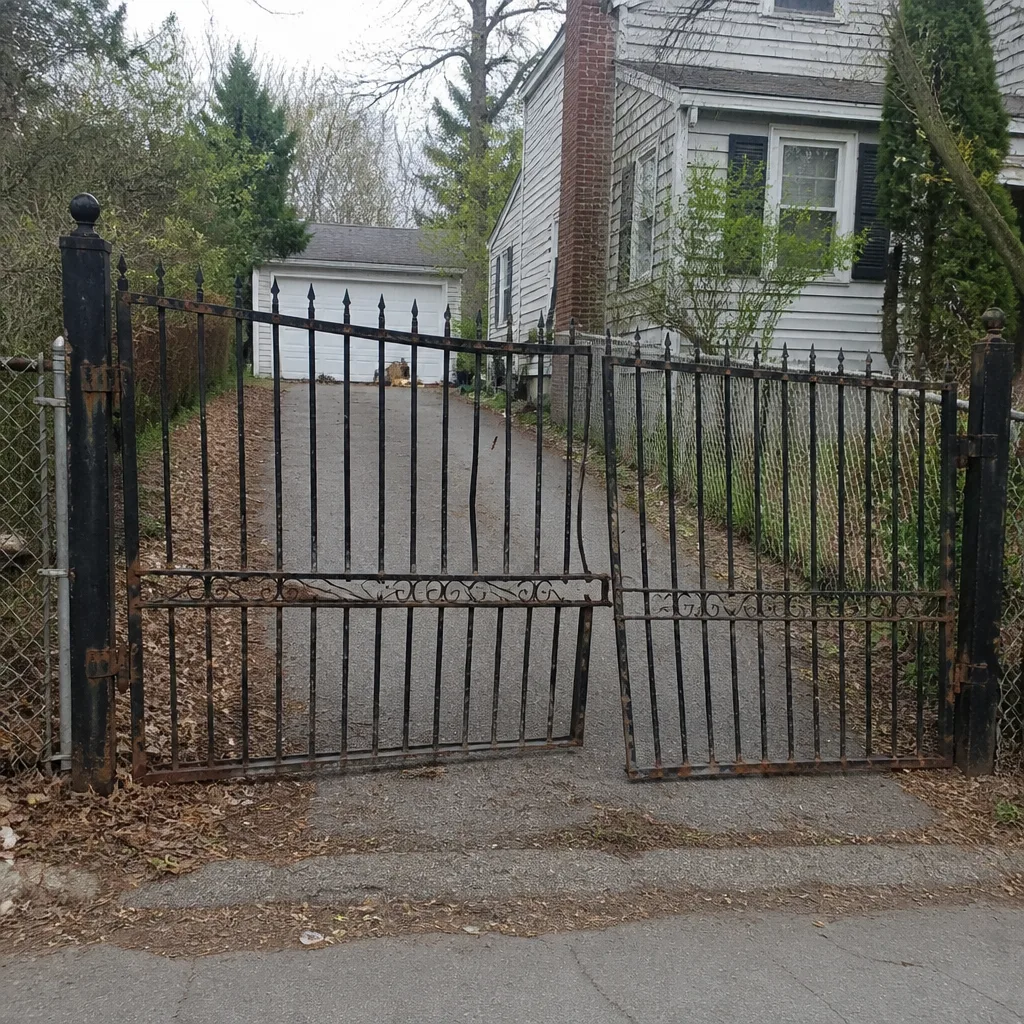 Before
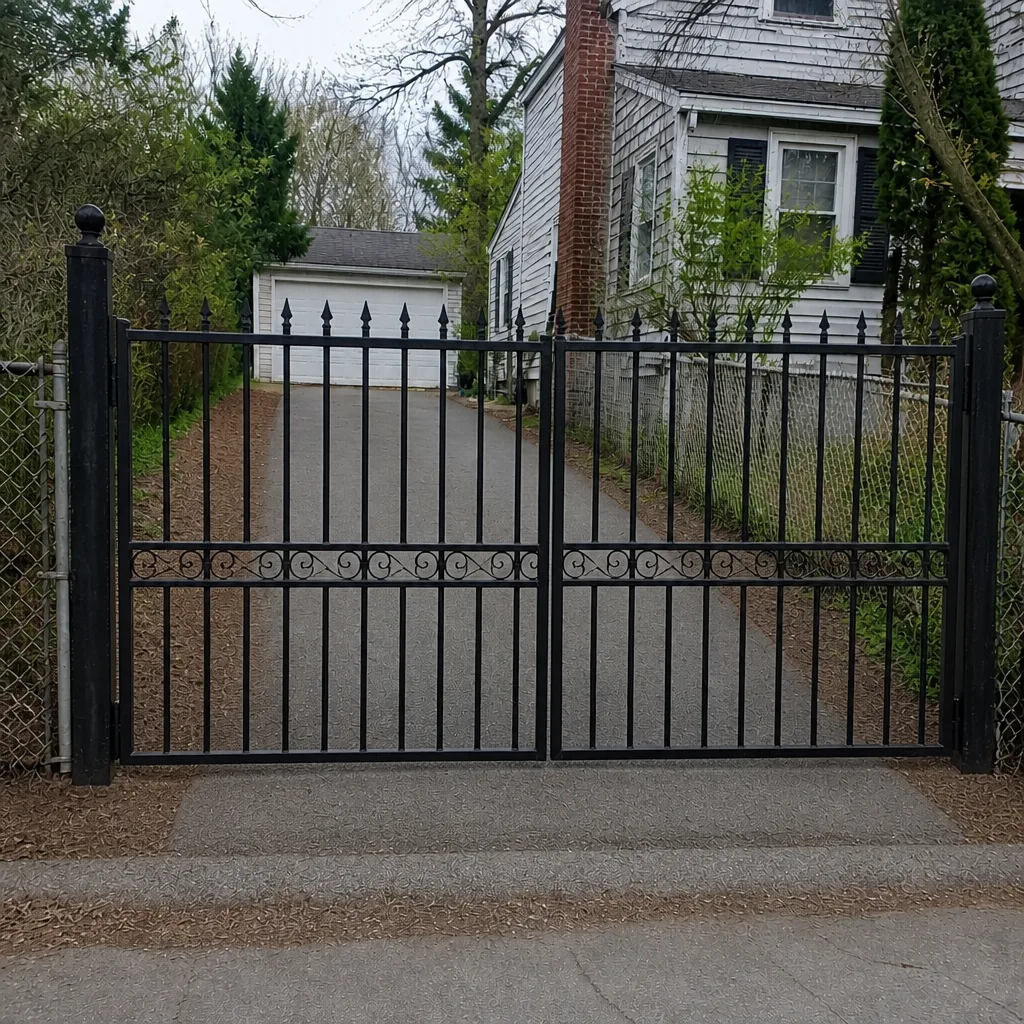 After
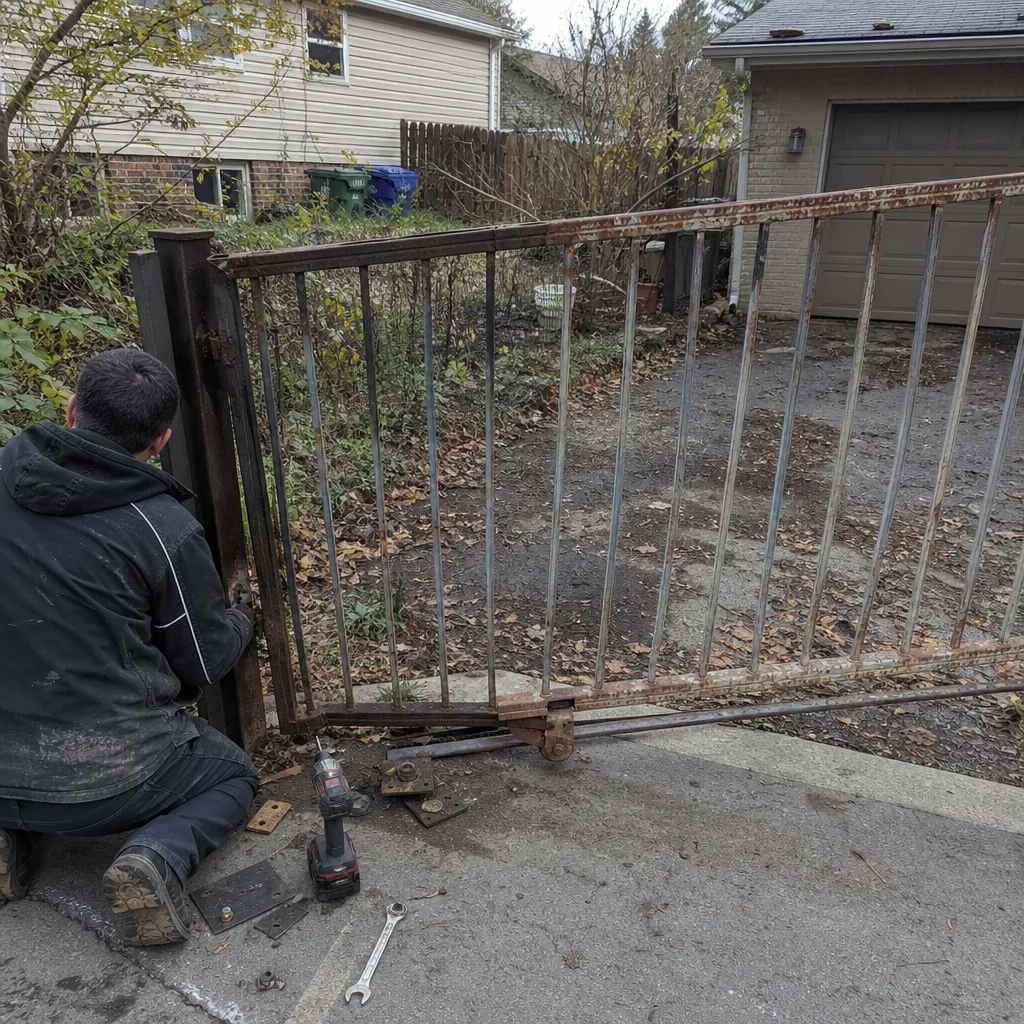 Before
 After
 Before
 After
Common Mistakes to Avoid
- Assuming the operator is dead when the gate won’t respond. Nine times out of ten, the operator is fine and a safety input is holding it. Run the two-minute interlock check before ordering a replacement board.
- Resetting the breaker repeatedly. A breaker that trips again after one reset is telling you there’s a fault upstream. Repeated resets can damage the operator or worse. Reset once, then call.
- Opening the operator housing to look. The control board and wiring are live voltage, and the housing is not meant to be a diagnostic panel. Look at the external diagnostic light and the blink pattern instead.
- Replacing parts on a guess. A technician who replaces the control board on the theory that “it’s probably the board” is guessing. A brand-specific diagnostic approach identifies the actual fault, and that’s what we do.
- Ignoring freeze-thaw damage in Columbia winters. A hairline weld crack in November is a snapped hinge in January. Check welds and rollers before the first hard freeze each fall.
- Not clearing the safety-eye path. Photo-eyes and safety edges are the most common point of failure on a gate that “won’t move.” Clear leaves, cobwebs, and snow from the sensors before assuming an operator fault.
- Treating a commercial DoorKing system like a residential swing gate. A DoorKing access-control issue is usually the access device, not the operator. Diagnosing it as an operator fault leads to unnecessary parts.
Frequently Asked Questions
Your limit switch is most likely out of adjustment or obstructed. It’s the most common cause of mid-cycle reversal, and it’s usually a two-minute adjustment once the technician identifies the exact limit. Less common causes are a misaligned photo-eye or a failing encoder. If the reversal is consistent at the same spot every cycle, it’s a limit. If it varies, it’s the safety edge or an obstruction. Call (866) 519-6885 for an exact quote; estimates are free.
A flashing operator light is a diagnostic code, not a glitch. Each automation brand uses a specific blink pattern to signal a specific fault; for example, one blink usually indicates a safety-device fault and three blinks usually indicates a control-board fault. Write down the blink count, the brand, and the model before calling a technician. On a DoorKing commercial system, the exact code is often for the access device rather than the gate operator.
You can safely diagnose remote batteries, photo-eye alignment, visible obstruction, the manual release, a single breaker reset, and remote pairing on most systems. Anything that requires opening the operator housing, testing live wiring, moving a heavy panel, replacing a post, or repairing a hinge weld is a technician’s job because of live voltage and the weight of the panel. Call (866) 519-6885 for an exact quote; estimates are free.
Gate repair in Columbia is priced per job. The diagnosis is part of the written estimate, which sets the final price before any work starts. We don’t quote over the phone from a description alone on anything that requires an on-site inspection. Call (866) 519-6885 for an exact quote on your specific gate; estimates are free.
Often yes. Call (866) 519-6885 and we’ll confirm availability for same-day dispatch where possible. We answer 24/7. Fast dispatch from 7am to 7pm, Sunday through Friday. A call outside dispatch hours is booked into the next opening. Repair calls are prioritized over installation calls.
Water gets into hinge welds and bottom-roller bearings, freezes overnight, expands, then thaws and contracts. Repeated across a Maryland winter, this opens hairline weld cracks and flat-spots rollers. The result is a swing gate that sags in February or a slide gate that grinds on cold mornings. A late-fall inspection catches the small issues before they become a mid-winter failure.
If a neighbor’s remote operates the gate but yours doesn’t, your remote has lost its pairing or the receiver has lost your code. This is usually a receiver issue, not an operator fault. Re-pairing the remote fixes it on most systems. If it happens repeatedly, the receiver’s memory is failing and needs replacement. Call (866) 519-6885 for an exact quote; estimates are free.
We work on nine major gate automation brands: LiftMaster, FAAC, BFT, Linear, Viking, Ghost Controls, DoorKing, Elite, and Mighty Mule. If your gate has one of those systems, we’ve seen the failure pattern before. Call (866) 519-6885 for an exact quote; estimates are free.
The Bottom Line
Most Columbia gate failures trace back to three things: the control board, the limit switches, or the ground connection. Knowing which one is acting up – and running the two-minute safety interlock and diagnostic-light checks – saves you both time and diagnostic fees. Freeze-thaw does most of the seasonal damage here, so a late-fall inspection of welds, rollers, and track alignment prevents most of what February would otherwise bring. Anything involving the control board, wiring, or a heavy panel is a technician’s job because of live voltage and panel weight. And when the diagnosis needs a brand specialist, we’re the team that knows the system without guesswork.
From a stuck swing gate to a full access-control installation, call Gate Repair Columbia at (866) 519-6885 for a free estimate. We answer 24/7. Fast dispatch from 7am to 7pm, Sunday through Friday.
Written by the team at Gate Repair Columbia.