
Last updated November 15, 2026
 Wrought iron
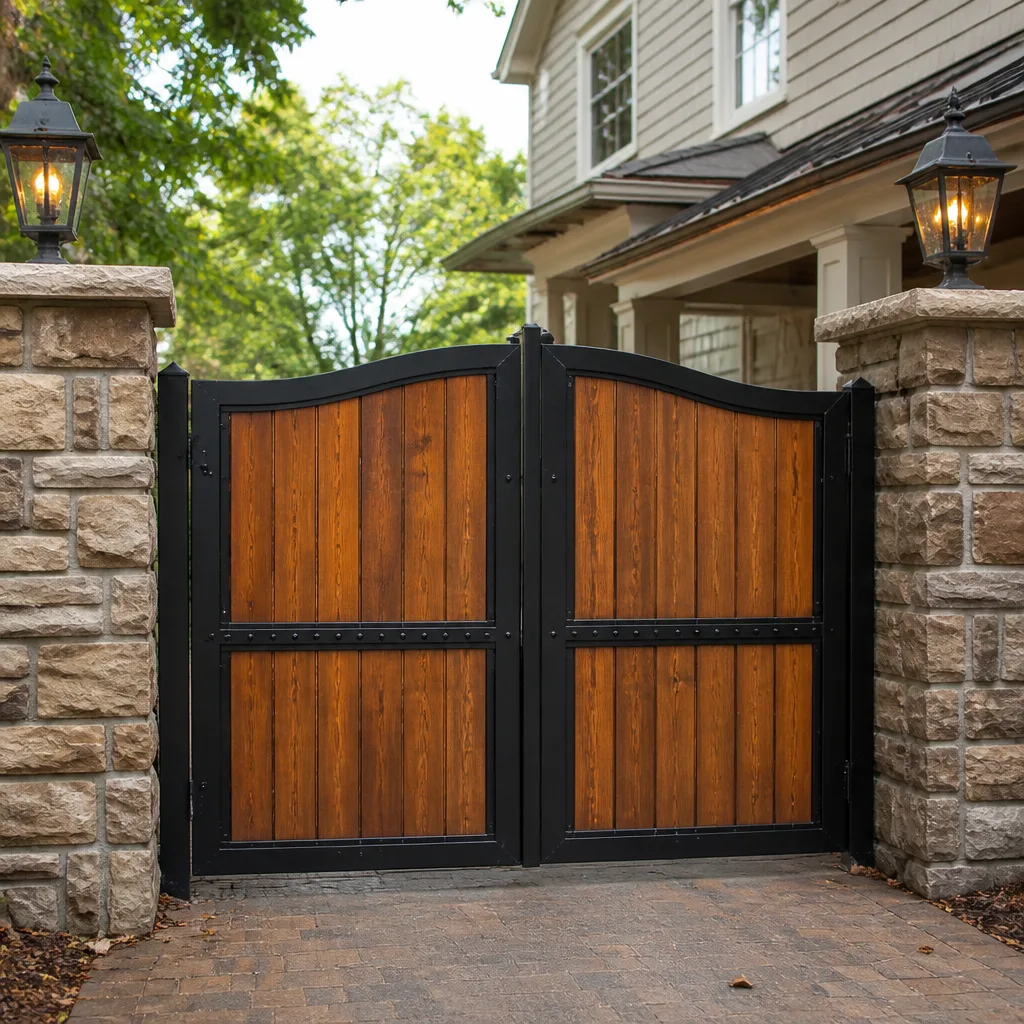 Wood & steel frame
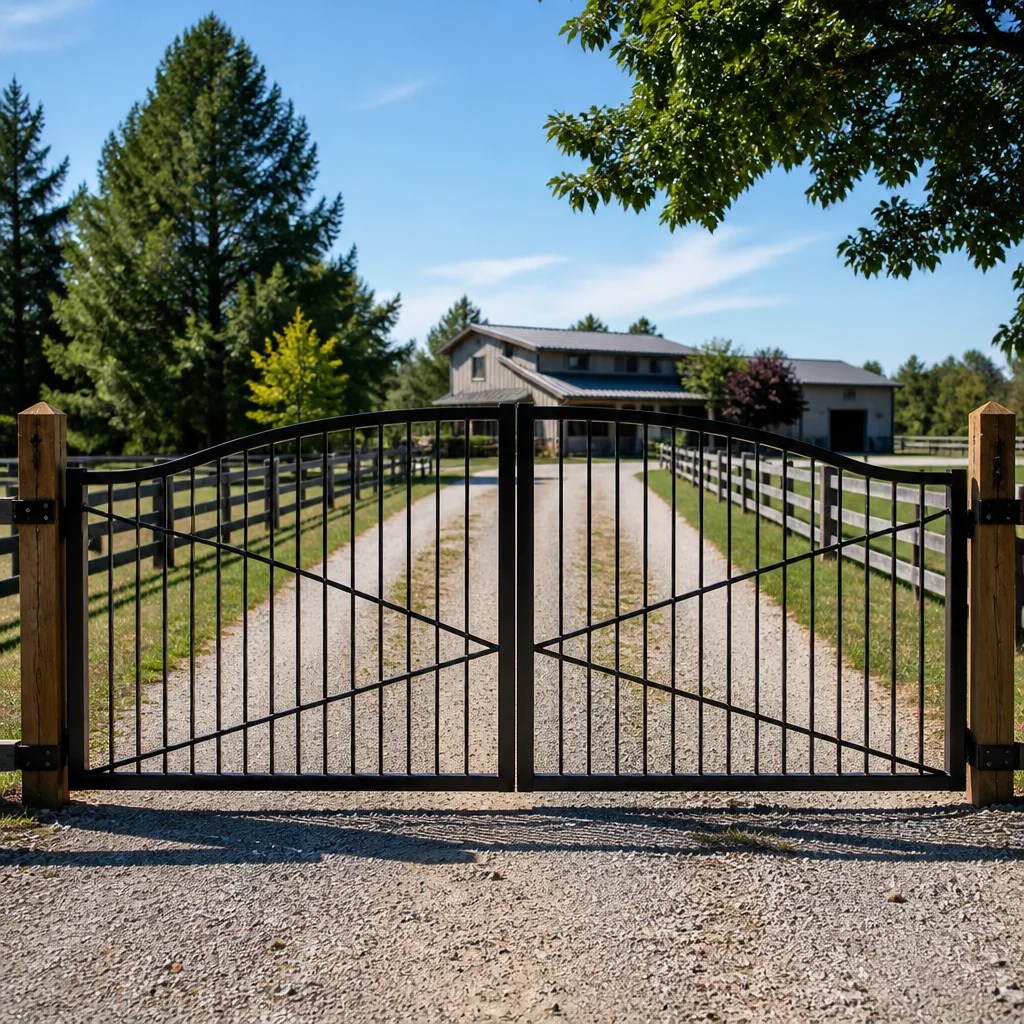 Farm & ranch
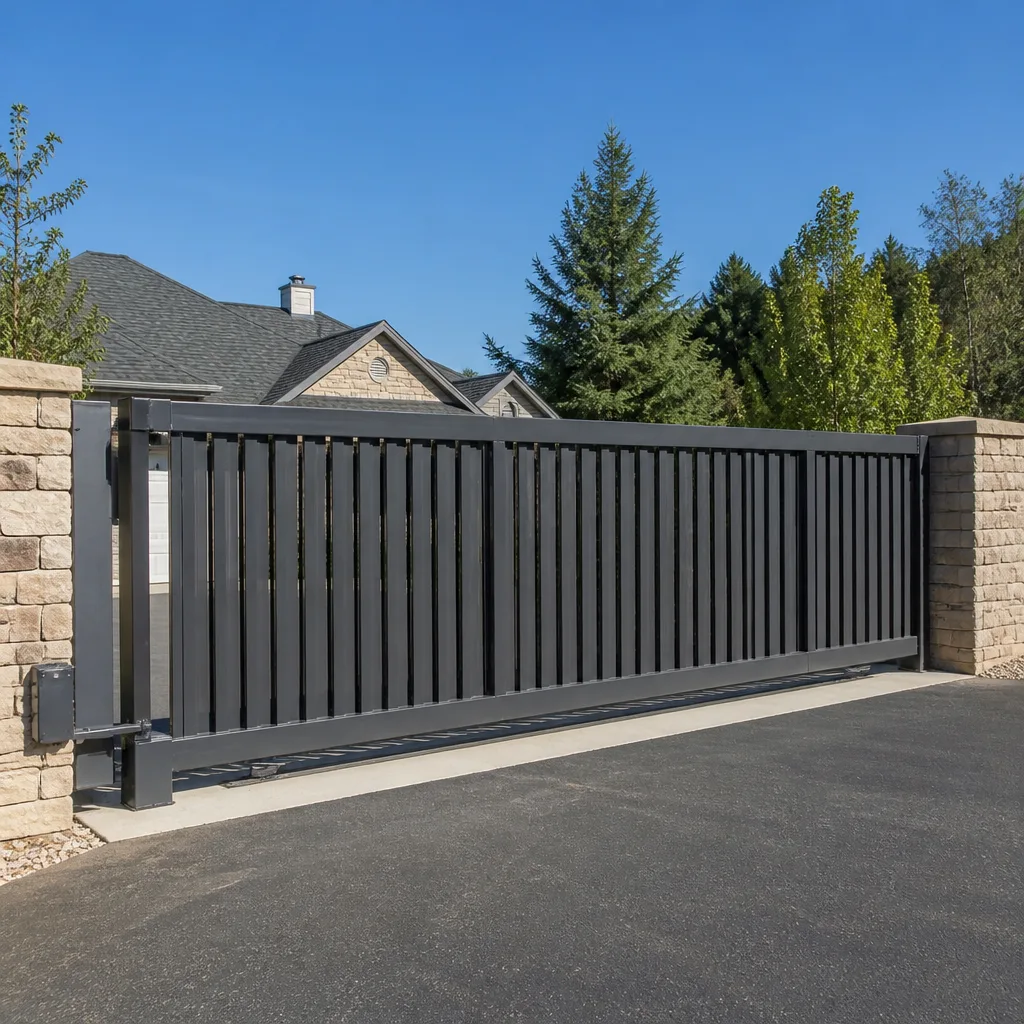 Sliding driveway gates
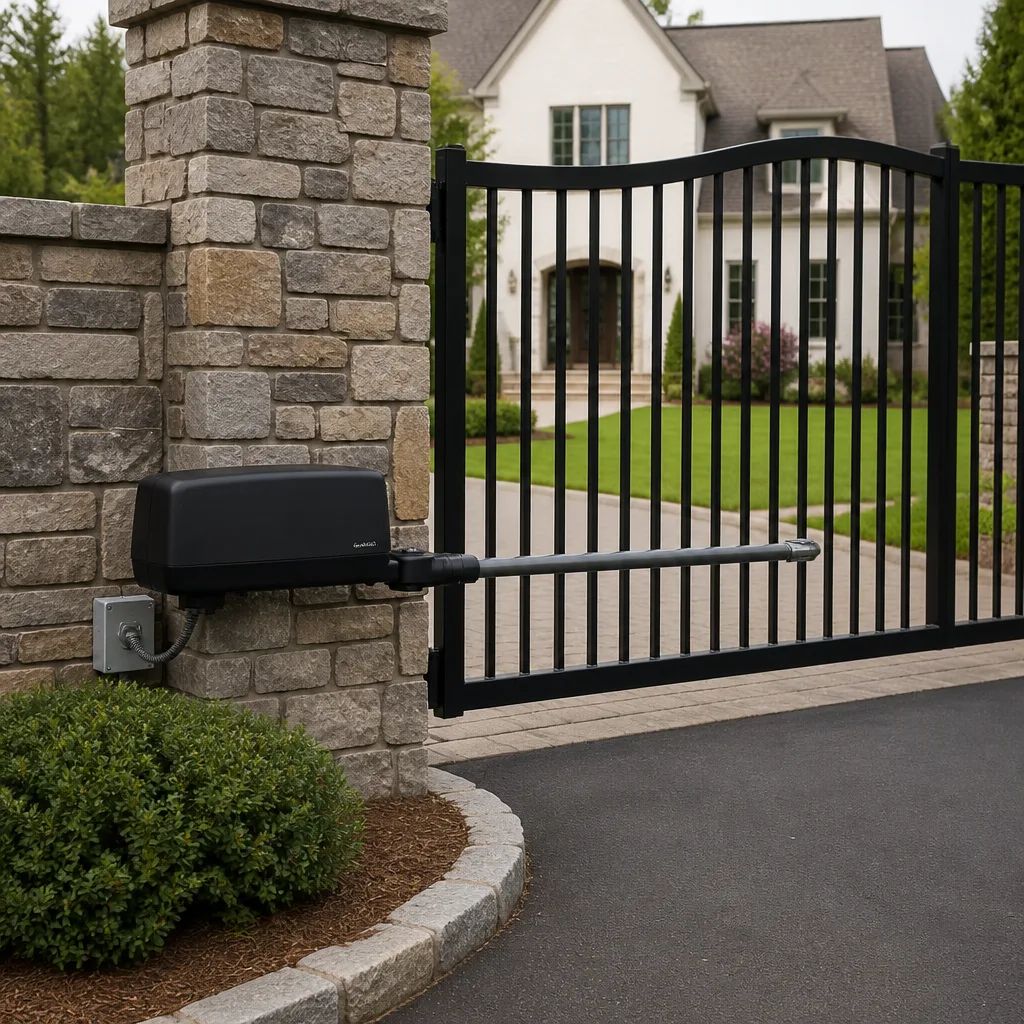 LiftMaster operators
Free on-site gate assessment - hinges, posts, and your LiftMaster or Nice gate operator checked before anything is quoted
The assessment is free and the quote is the invoice.
Get your free estimateGate Repair Emergency Preparedness Guide for Columbia Homes
Most gate failures don’t announce themselves at a convenient time. They happen when you’re already late, when a delivery truck is blocking the lane, or when the last person through the gate has gone inside and the gate simply doesn’t close behind them. Here’s the part that catches Columbia homeowners off guard: the moment a gate fails isn’t when you should start learning how your operator works. That lesson belongs in daylight, on a normal afternoon, with the manual release already located. This guide walks through what to do when a gate traps a car, how to hold a gate safely while you wait, and the information that turns a frantic call into a three-minute conversation.
Styles & brands we work with
- Wrought iron
- Wood & steel frame
- Farm & ranch
- Sliding driveway gates
- LiftMaster operators
Quick Answer
A stuck-closed gate is an inconvenience; a gate stuck open overnight is the real security problem. Every automated gate in Columbia has a manual release, and knowing where it is and how it works before you need it is the single most useful piece of gate knowledge a homeowner can have. This guide covers manual release procedures by gate type, how to temporarily secure a gate without creating a hazard, what to have ready when you call, and a pre-season checklist that keeps small issues from becoming emergency calls.
Table of Contents
- Why Gate Emergencies Hit Columbia Homes Differently
- Manual Release Procedures by Gate Type
- How to Hold a Gate Open or Closed Safely While You Wait
- What to Have Ready Before You Call
- The Case for Battery Backup Before You Need It
- The Pre-Season Gate Checklist for Columbia Properties
- Building Your Gate Emergency Contact Card
- When to Call a Professional
Why Gate Emergencies Hit Columbia Homes Differently
Columbia’s housing stock is a big part of the story. Many neighborhoods here were built around shared drives, cul-de-sacs, and community entrances where a single gate controls access for dozens of homes at once. When that gate fails, it isn’t one household dealing with it. It’s the whole street. HOA managers and property operators in Columbia know this pattern well: a gate operator fault at a community entrance during a busy morning creates a queue, tempers, and a scramble to find someone who can respond.
Columbia also sits in a climate with four real seasons, and that matters for gate hardware. Summer heat expands metal and stresses lubricants; fall leaf debris finds its way into slide tracks; winter freeze-thaw cycles work on concrete footings and settle gate posts. None of these conditions is dramatic on its own. Together, they mean gate systems here see a genuine range of operating conditions across the year, and maintenance that would last in a milder climate needs closer attention.
The other factor is gate diversity. Columbia properties range from modest manual swing gates on residential driveways to full access-control installations at commercial and HOA entrances. That range means there’s no single answer to “what do I do when it fails.” The Gate Repair Columbia approach is to know the specific system on your property before there’s a problem, which is the whole point of this guide.
What we’ve learned across Columbia properties is simple: the homeowners who handle a gate failure well are the ones who prepared for it before it happened. Not with technical knowledge, but with the basic moves already mapped out.
Manual Release Procedures by Gate Type
Every automated gate has some form of manual release so the gate can be moved when power or the operator fails. Where that release lives and how it works depends on the gate type. Here’s the general structure for the three most common configurations. Important safety note: before you touch any manual release, make sure the gate area is clear. A heavy swing or slide gate that suddenly moves under its own weight or stored energy can cause serious injury. If you’re unsure how your release works, stop and call a technician rather than forcing it.
Slide Gates
- Locate the release on the operator housing. On most slide gate operators, it’s a keyed lever or a release handle on the operator body.
- Turn off power at the operator’s disconnect before releasing, so the gate doesn’t try to drive while you’re moving it.
- Engage the manual release according to the operator’s mechanism, then push the gate along its track by hand. Slide gates should move smoothly along the track when released correctly.
- Once clear, use a physical stop or chock to keep the gate from rolling back on any slope.
If the gate won’t move by hand even after release, the problem may be mechanical rather than electrical, and forcing it will cause damage. That’s the point to call for gate repair.
Swing Gates
- Find the release on the actuator arm. On most swing gate operators there’s a keyed release or a pin that disengages the arm from the gate.
- With power off, disengage the arm so the gate leaf swings free.
- Move the gate by hand to the position you need, then secure it with a physical prop or tie.
Swing gates carry their own risk: a heavy leaf swinging free on a slope can move faster than you expect. Keep hands and feet clear of the hinge and the path of travel.
Overhead and Barrier Gates
Overhead and barrier gate operators vary widely, and the release mechanism is usually inside the operator housing or on the arm. These systems are heavier and the release procedure is less forgiving of an error. If you have an overhead gate, the safest preparedness step is to have a technician walk you through your specific release during a routine visit, and to keep that knowledge written down. Don’t try to figure it out during a failure.
How to Hold a Gate Open or Closed Safely While You Wait
While you wait for a technician, you may need to leave the gate open so vehicles can pass, or secure it closed for the night. Both choices carry a temporary risk that you need to manage actively, not ignore.
Holding a gate open: a propped-open gate is an open invitation for anyone to enter. If you must leave a gate open, have someone stay near it, or use a temporary physical barrier in front of the opening that’s visible and sturdy. For a driveway gate, parking a vehicle across the opening is a common temporary solution. But don’t rely on that if the vehicle might move before the gate is repaired.
Holding a gate closed: the safe way to hold a gate closed is with a physical prop that won’t slip. A wedge or chock at the base of a swing gate, or a physical stop on a slide gate track, works better than tying a gate with a rope or chain. Rope stretches and knots loosen. A slip knot that releases under pressure can let a heavy gate fall or swing unexpectedly.
Whichever way you hold the gate, tell anyone else on the property what you’ve done and why. A family member or tenant who doesn’t know the gate is being held by a chock may try to operate it and create a hazard. If the gate is part of a shared HOA or commercial entrance, alert the property manager immediately so others don’t force it.
In our experience, the most common follow-up damage in Columbia comes from someone trying to force a gate that was already in a temporary hold. The gate itself is often fine. The gear, the track, or the actuator arm isn’t, because someone tried to drive it by hand without releasing it properly.
What to Have Ready Before You Call
The call for emergency gate repair is dramatically shorter when you can answer five questions. Have this information ready before you dial, so the technician can diagnose and respond instead of asking you to go back out to the gate mid-call.
- Operator brand: the brand is usually printed on the operator housing. The systems we work on most in Columbia include LiftMaster, FAAC, BFT, Mighty Mule, Linear, Viking, Ghost Controls, DoorKing, and Elite. Knowing your brand means the technician can diagnose by system knowledge rather than guessing.
- Error code if displayed: if the operator has a display or indicator lights, note exactly what’s showing. An error code narrows the problem fast. A photo of the display is even better.
- Gate type: slide, swing, overhead, or barrier. This tells the technician which tools and parts to expect.
- Power status: is the operator getting power at all? Check the breaker and any disconnect, but don’t open electrical panels or touch wiring yourself. Just note what you observe.
- Gate position: is it stuck open, stuck closed, or moving partway and stopping? This affects how urgently the response needs to be treated.
One more detail helps: whether the gate is on a sloped or level grade, and whether the driveway is shared. A gate stuck open on a shared Columbia entrance with traffic is a different situation than a residential gate on a quiet driveway.
When you call for electric gate repair, having this information ready means the tech can arrive already knowing the likely cause and the parts to bring. We answer 24/7. Fast dispatch from 7am to 7pm, Sunday through Friday.
The Case for Battery Backup Before You Need It
Here’s where preparation actually pays off: a battery backup operator. It’s a straightforward addition that keeps the gate operating through a power outage, and in Columbia it’s not an insurance against rare events, it’s daily practicality.
Storm outages. Summer thunderstorms and winter ice bring power interruptions across Columbia. A gate without backup goes dead in the outage, and if it’s stuck closed, no one gets in or out until power returns. A backup operator lets the gate cycle normally through the outage and puts off the whole emergency scenario this guide is about.
Grid surges. Power restoration after an outage often brings a surge. Those surges are hard on operator control boards. A battery backup system isolates the gate from the surge during the outage, which protects the control board from the exact moment it’s most likely to fail.
Shared and HOA entrances. A community gate on battery backup means the entrance keeps working for every household through an outage, rather than becoming a security gap. For property managers, that’s an easy operational argument.
Aging operators on failing power supplies. We’ve seen plenty of gate operators that fail only because the backup battery inside them is dead. If your operator has a battery and the gate stops during a power loss, the battery is the first thing to check.
Battery backup isn’t a substitute for a well-maintained operator, though. If the gate’s mechanicals are struggling, backing them up just gives them more time to fail. We typically recommend it as part of a broader conversation about whether the operator is ready for it. Installation is scheduled so the system can be properly sized and fitted to your gate.
The Pre-Season Gate Checklist for Columbia Properties
The best emergency call is the one you never make. This checklist takes an afternoon and catches the issues that turn into emergency calls later. Do it as the season turns, before summer storms and before winter freezes. What each item is really saying: “this is where failures start.”
- Walk the full travel path of the gate. Look for track debris, worn rollers, loose hinges, and anything a gate leaf could catch on. A slide gate track with leaf debris or grit will bind during operation. Clear it out and note whether the gate moves smoothly.
- Test the manual release, and re-engage it properly. This is the most important item. Confirm you can disengage and re-engage the release, and that the gate moves by hand when it’s disengaged. If you can’t re-engage it correctly, that’s a repair, not a checklist item.
- Check the safety edges and photo-eye sensors. Anything in the gate’s path should stop or reverse the gate. Clean the sensors, check the lenses, and test them. Safety devices only count if they work every time.
- Inspect for loose hardware and worn fasteners. Hinges, brackets, and actuator mounts take stress every cycle. Loose fasteners are a warning sign.
- Look at the gate post and footing. In Columbia’s freeze-thaw winters, posts can settle. A gate hanging off a settled post strains the operator every time it moves.
- Check your power setup and any backup battery. Confirm the operator’s breaker is clear and the backup battery, if present, is holding. If the gate relies on a battery for backup, don’t let that battery die.
- Listen to the gate operate. A healthy swing, slide, or overhead gate has a consistent sound. A new grind, clunk, or hesitation is the earliest sign of a developing problem and the best time to fix it.
If any item raises a question, a free estimate visit is a low-cost way to get an answer before it becomes an emergency. This checklist applies whether your property is in Columbia or nearby, and it’s exactly the kind of walkthrough a gate-only specialist does. If you’re outside the core area, we also publish local information for Columbia and the surrounding communities, so check that page before scheduling.
Building Your Gate Emergency Contact Card
The best-prepared households have one thing in common: they don’t have to think under pressure. A gate emergency contact card is simply a written record of the facts you’d otherwise be scrambling to remember at the worst moment. Keep it somewhere obvious, and make a copy for anyone else who uses the gate. Here’s what belongs on it.
- Gate repair number: Gate Repair Columbia at (866) 519-6885. We answer 24/7, and fast dispatch from 7am to 7pm, Sunday through Friday.
- Operator brand and model: whatever’s printed on the operator housing.
- Gate type: slide, swing, overhead, or barrier.
- Manual release location and procedure: a few words describing where the release is and how it works. Ideally written while a technician is on-site confirming it, so the card is accurate.
- Power shutoff location: the breaker or disconnect for the operator.
- HOA or property manager contact: for shared entrances, or a neighbor’s number for a shared driveway.
- Gate position priority: whether the gate needs to be held closed (security) or open (access). Making that priority explicit ahead of time prevents confusion.
If your gate is on an HOA entrance, also note who holds the property manager role and who owns the repair decision. The property manager needs the same card, and they need to know whether to expect a call from a homeowner first or from the community’s maintenance chain first. Gate-only specialists on systems like LiftMaster and FAAC can usually tell from a phone description what the likely issue is, which shortens the whole exchange.
Common Mistakes to Avoid
- Forcing a released gate by hand. If the gate doesn’t move smoothly by hand, the problem is mechanical. Forcing it damages the gate and the operator, turning a repair into a replacement.
- Using rope, chain, or bungee to hold a gate. These stretch, slip, and fail under a heavy gate’s weight. Use a rigid physical stop or prop. A rope on a swing gate can slip and let the leaf swing unexpectedly.
- Skipping the manual release test. Too many Columbia homeowners only discover their release won’t move during an emergency. Test it on a normal day when there’s no pressure.
- Holding a gate open without watching it. An open gate is an open property, especially at an HOA entrance where nobody knows the gate is temporarily propped. Tell someone, or barricade the opening.
- Opening the operator housing or touching wiring. The operator’s power supply and control wiring are dangerous. Leave the electrical work to a technician. Just note the error code and the power status.
- Waiting for a small noise to become a failure. A new sound is your best warning. Addressing it during a routine visit costs far less than an emergency repair after the gate fails.
- Calling a general handyman for a brand-specific problem. A technician unfamiliar with your operator may replace parts unnecessarily. A gate-only specialist knows the brand your gate is running and diagnoses from system knowledge.
When to Call a Professional
Call a professional when the gate is stuck and you can’t safely release it, when the manual release won’t re-engage, or when the gate moves by itself or fails to stop at its safety points. Call when the gate is stuck open at a shared entrance and vehicles are exposed, or when it’s stuck closed and someone is trapped inside. Call after any impact, after any power surge, or when the operator shows an error code you don’t recognize. And call when the checklist above turns up a loose post, a binding track, or a manual release that seems wrong.
Gate Repair Columbia offers free estimates in Columbia. Call (866) 519-6885 to schedule an on-site look at your gate, and have your card or a photo of the operator housing ready to make the call short and useful.
Frequently Asked Questions
Locate the release on the operator, turn off power at the disconnect, then disengage the release so the gate can be moved by hand. The exact mechanism depends on whether you have a slide, swing, or overhead gate. If you’re unsure how yours works, don’t force it. Call (866) 519-6885 for guidance. We answer 24/7.
Have the operator brand, any error code shown, the gate type (slide, swing, overhead, or barrier), the power status, and whether the gate is stuck open or closed. Also mention whether the gate is on a sloped grade or a shared entrance. With those facts ready, a technician can diagnose and bring the right parts. Call (866) 519-6885 for a free estimate.
Yes. A gate stuck open leaves the property accessible, and at an HOA or commercial entrance anyone can enter. A stuck-closed gate is inconvenient, but a stuck-open gate is the urgent security situation. Secure the opening with a barrier or vehicle while restoration is scheduled, and don’t leave it open without watching it. Call (866) 519-6885 to get it repaired.
We work on LiftMaster, FAAC, BFT, Linear, Viking, Ghost Controls, DoorKing, Elite, and Mighty Mule systems. If you own one of these, we can diagnose it based on the specific system, which shortens the process and avoids unnecessary part replacement. Tell us the brand when you call (866) 519-6885.
Yes. During a storm or grid outage, a battery backup keeps the gate operating so it doesn’t lock in the open or closed position. It can also protect the control board during the surge that often follows restoration. Installation is scheduled and sized to your gate, so call (866) 519-6885 for a free estimate.
Run a pre-season checklist: clean the travel path, test the manual release, check the safety edges and sensors, and listen for new sounds. Catching a loose hinge or binding track during a routine visit prevents the failure that would otherwise strand you. If you find something during the checklist, call (866) 519-6885 for a free estimate.
The Bottom Line
A gate emergency is not the moment to learn how your gate works. The move that matters most is preparation: know where your manual release is, test it before you need it, keep a contact card with the operator brand and the Gate Repair Columbia number, and run the pre-season checklist so small issues get fixed before they strand you. Fix the stuck-closed gate quickly; treat the stuck-open gate as urgent. Install battery backup if your gate’s operator supports it. And call a gate-only specialist, not a generalist, when the brand or the system matters. Call (866) 519-6885 for a free estimate. We answer 24/7, with fast dispatch from 7am to 7pm, Sunday through Friday.
Written by the team at Gate Repair Columbia.
See the difference
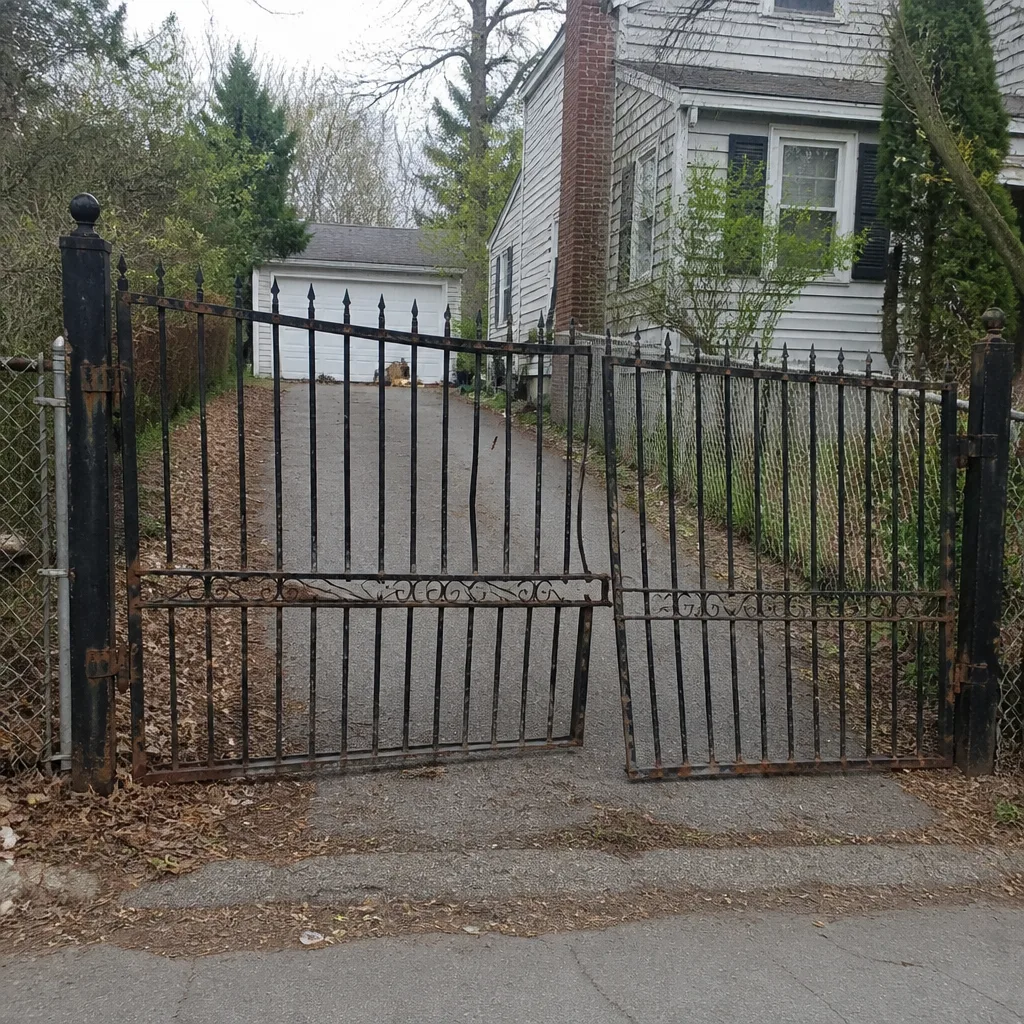 Before
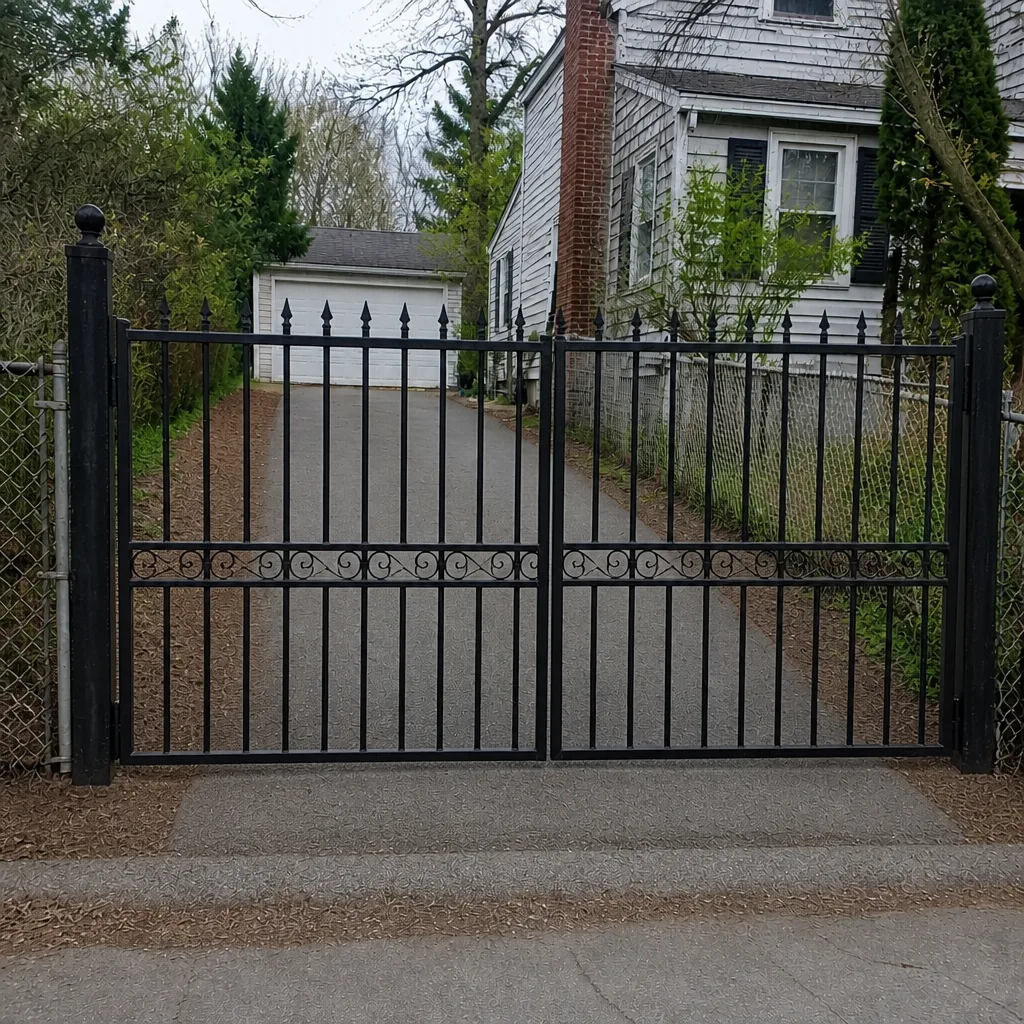 After
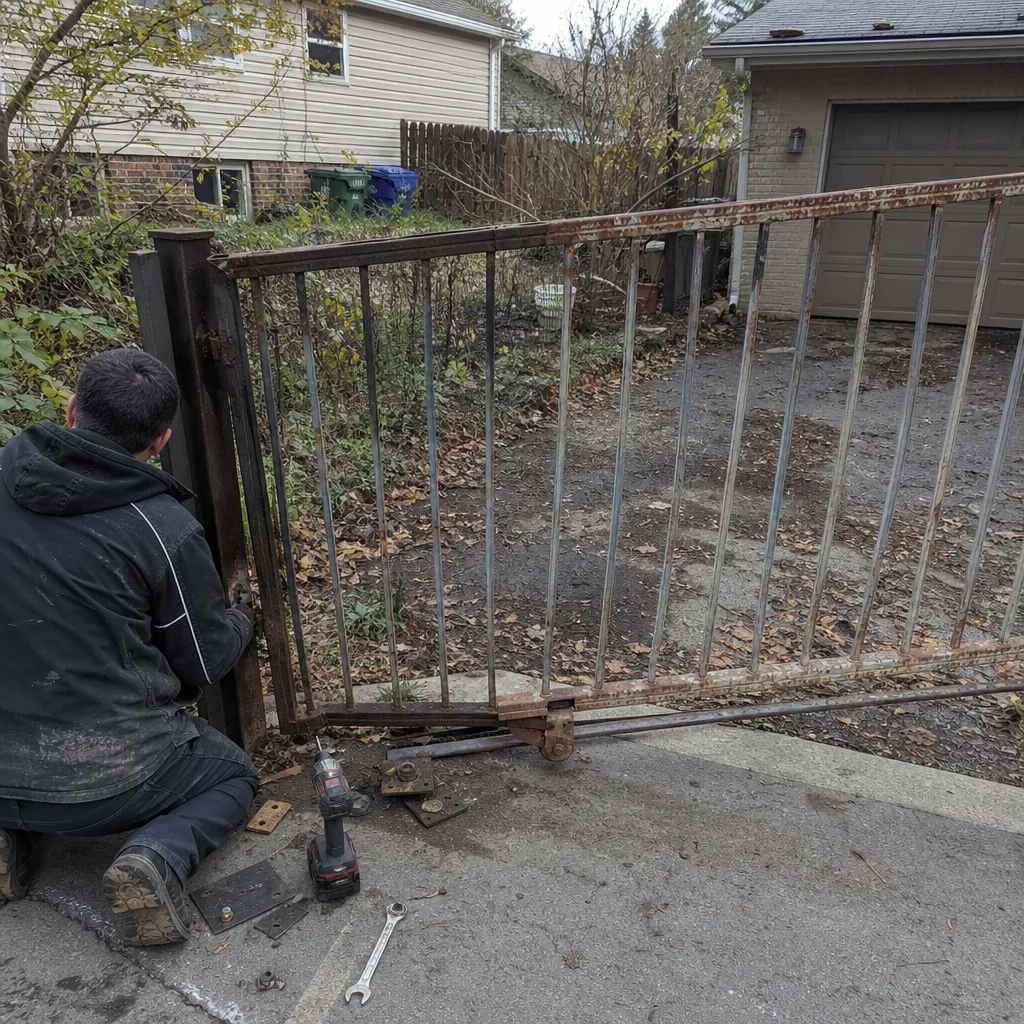 Before
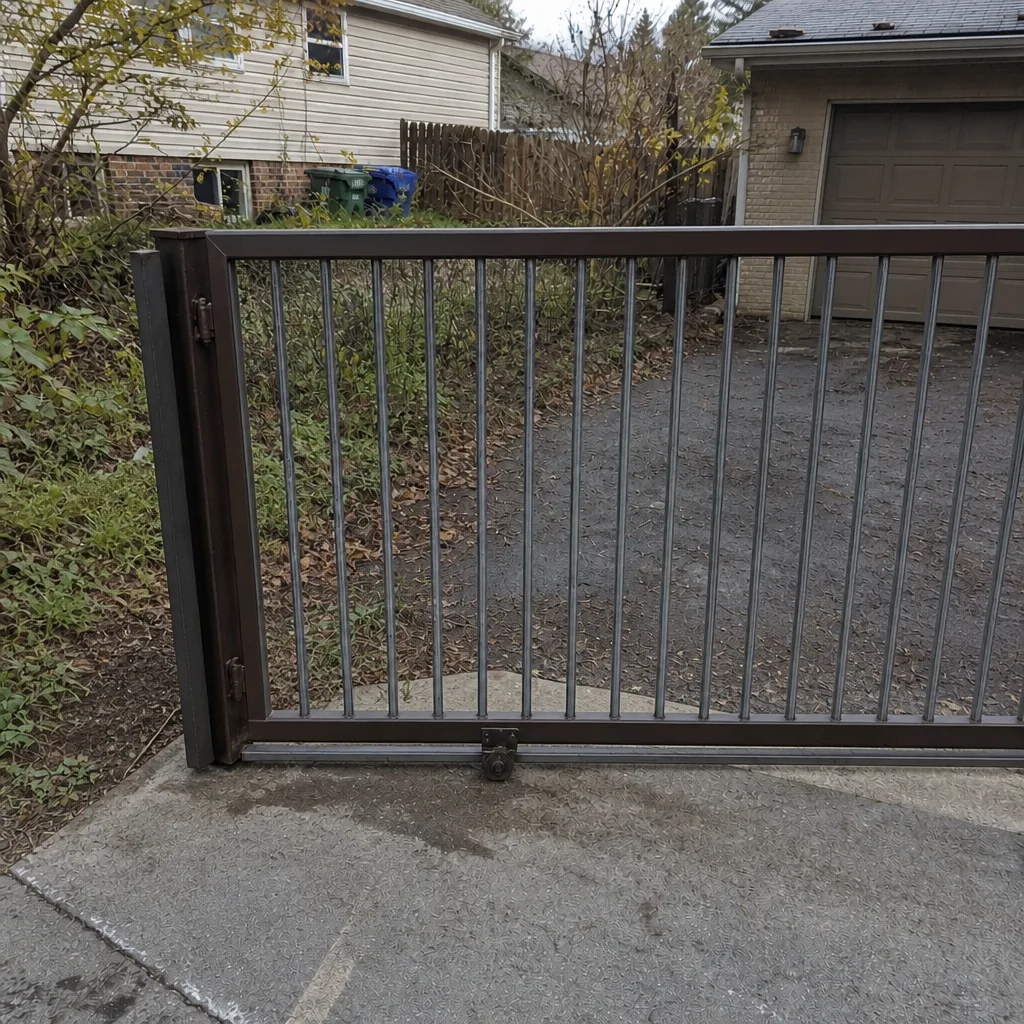 After
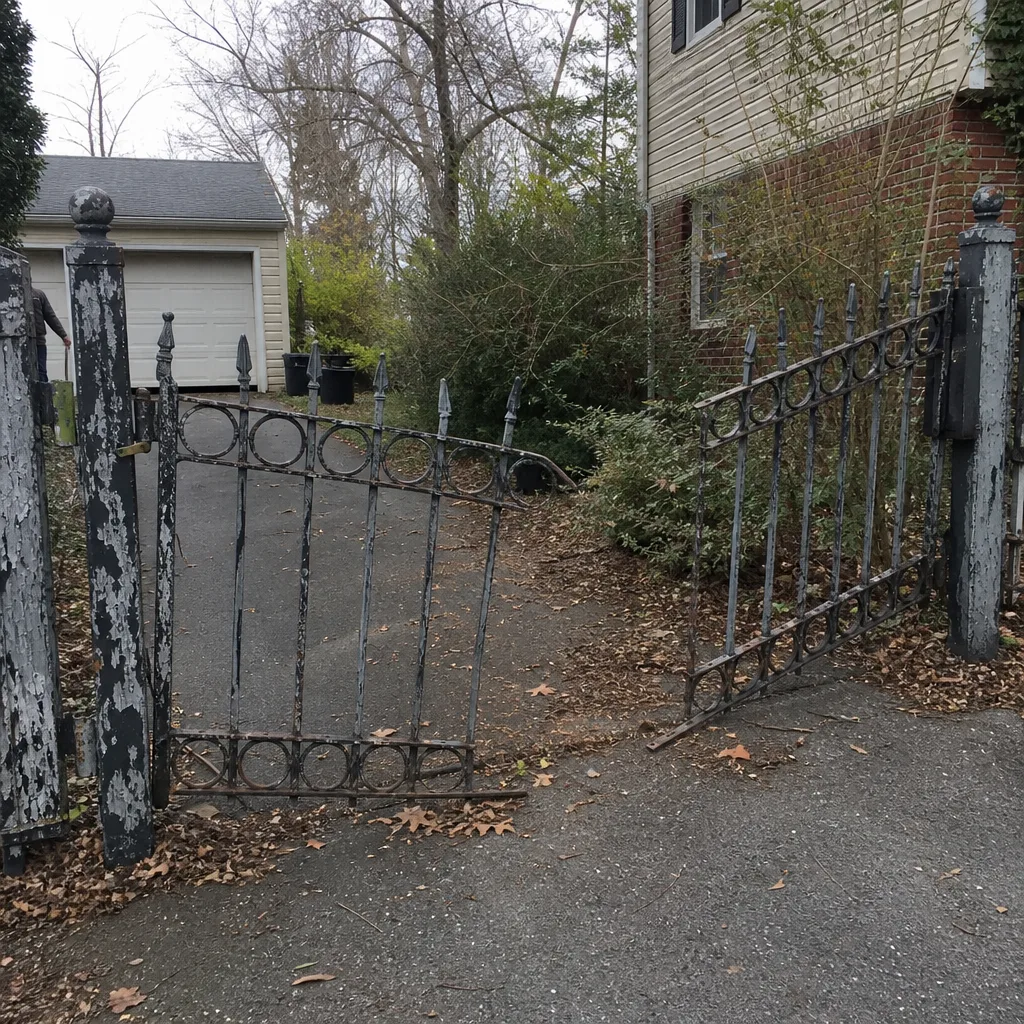 Before
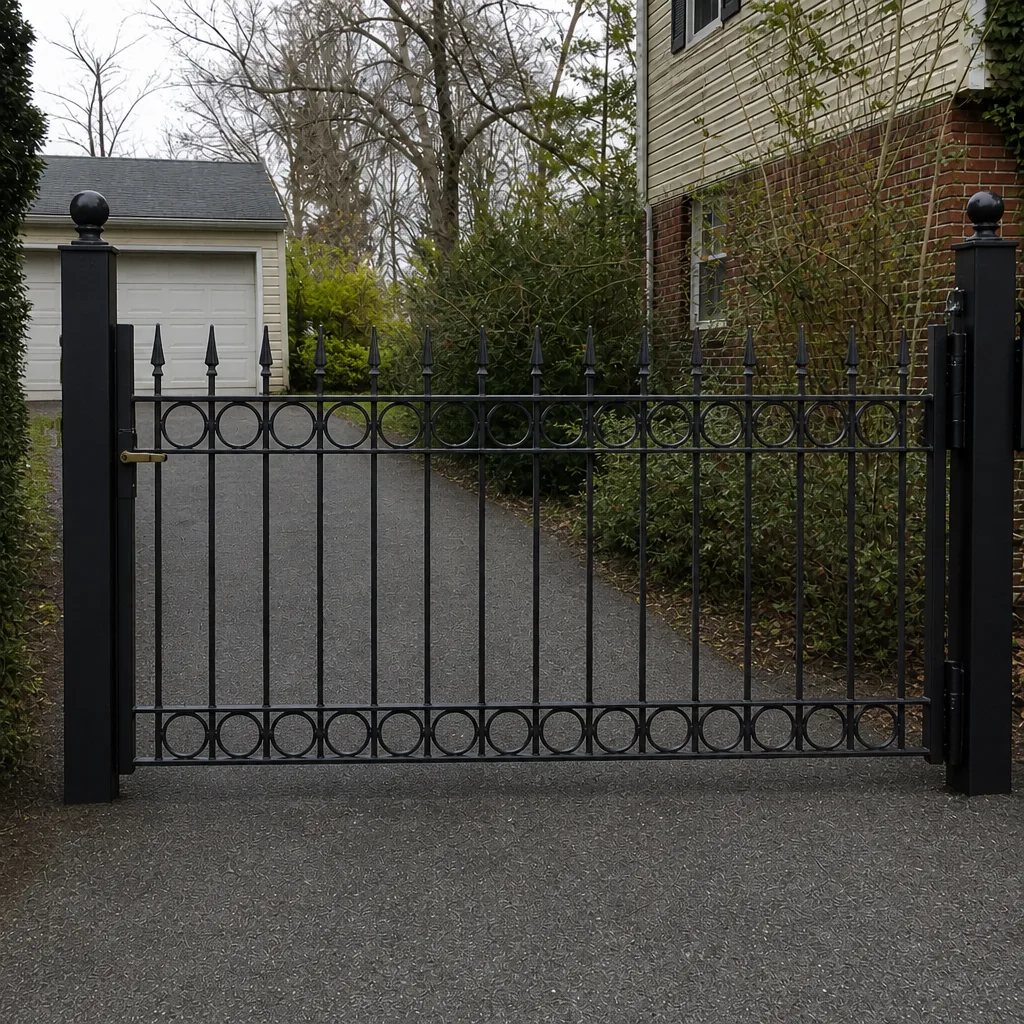 After