
Last updated November 15, 2026
 Wrought iron
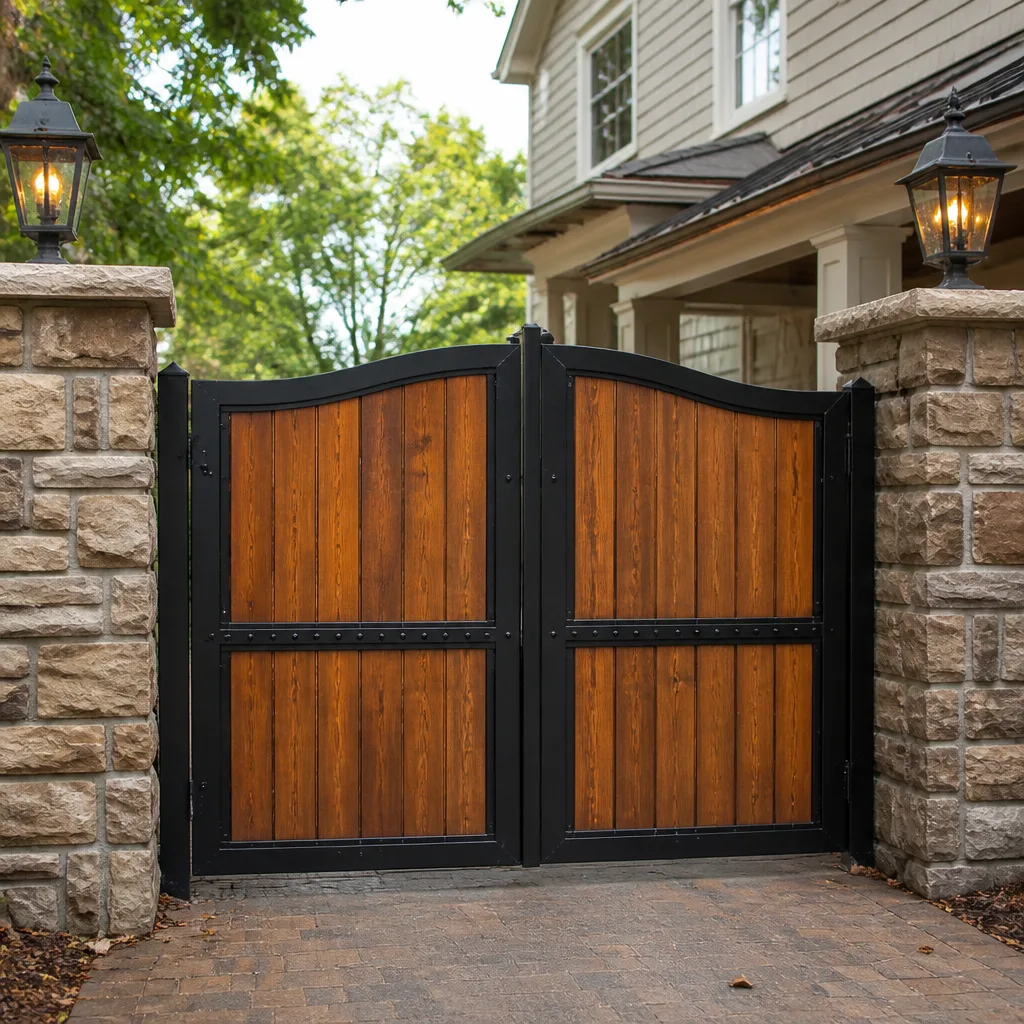 Wood & steel frame
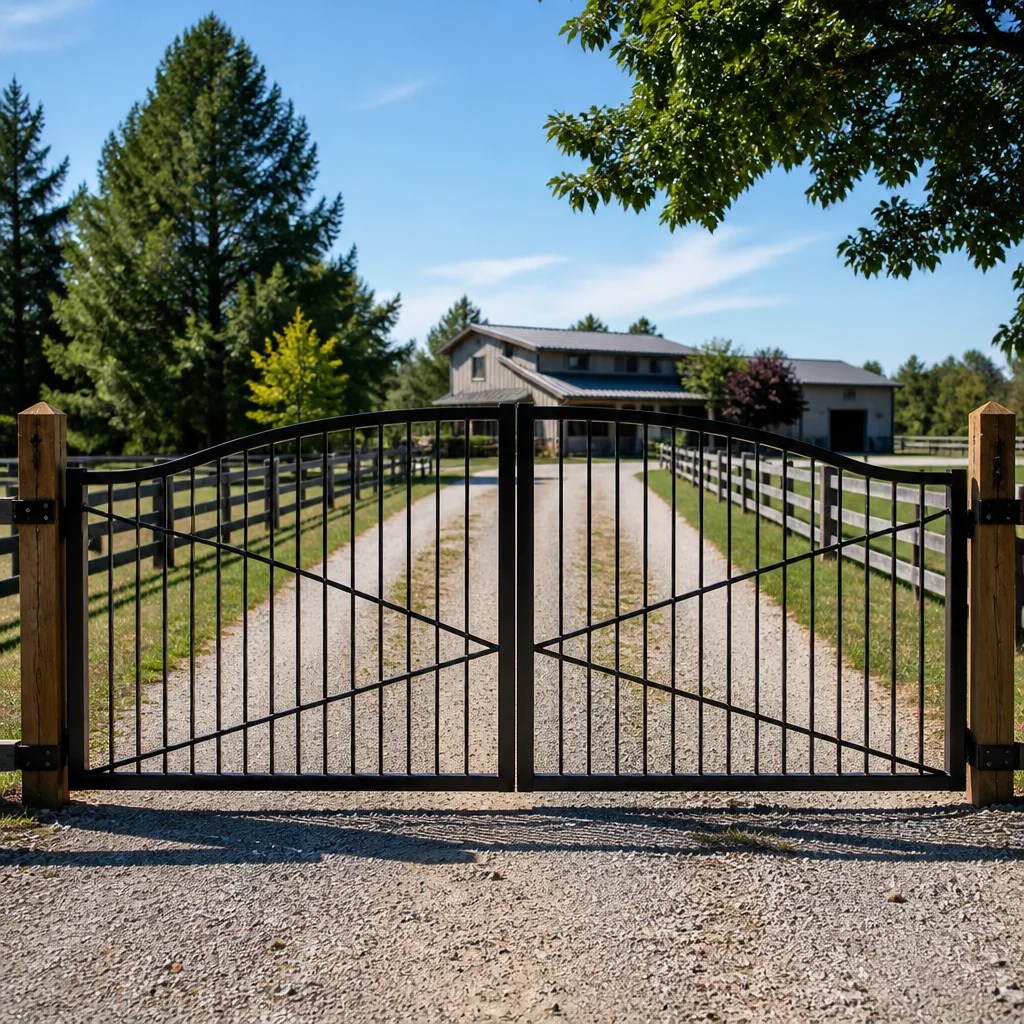 Farm & ranch
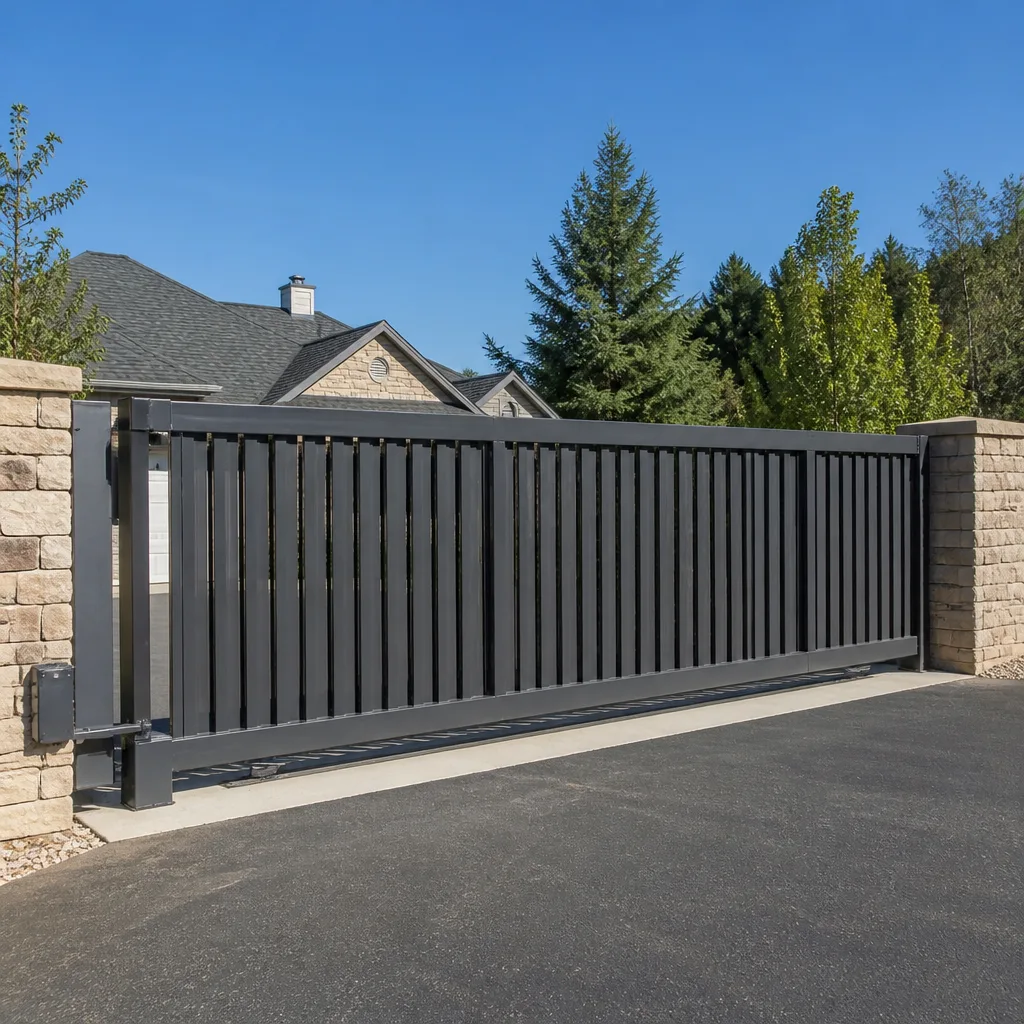 Sliding driveway gates
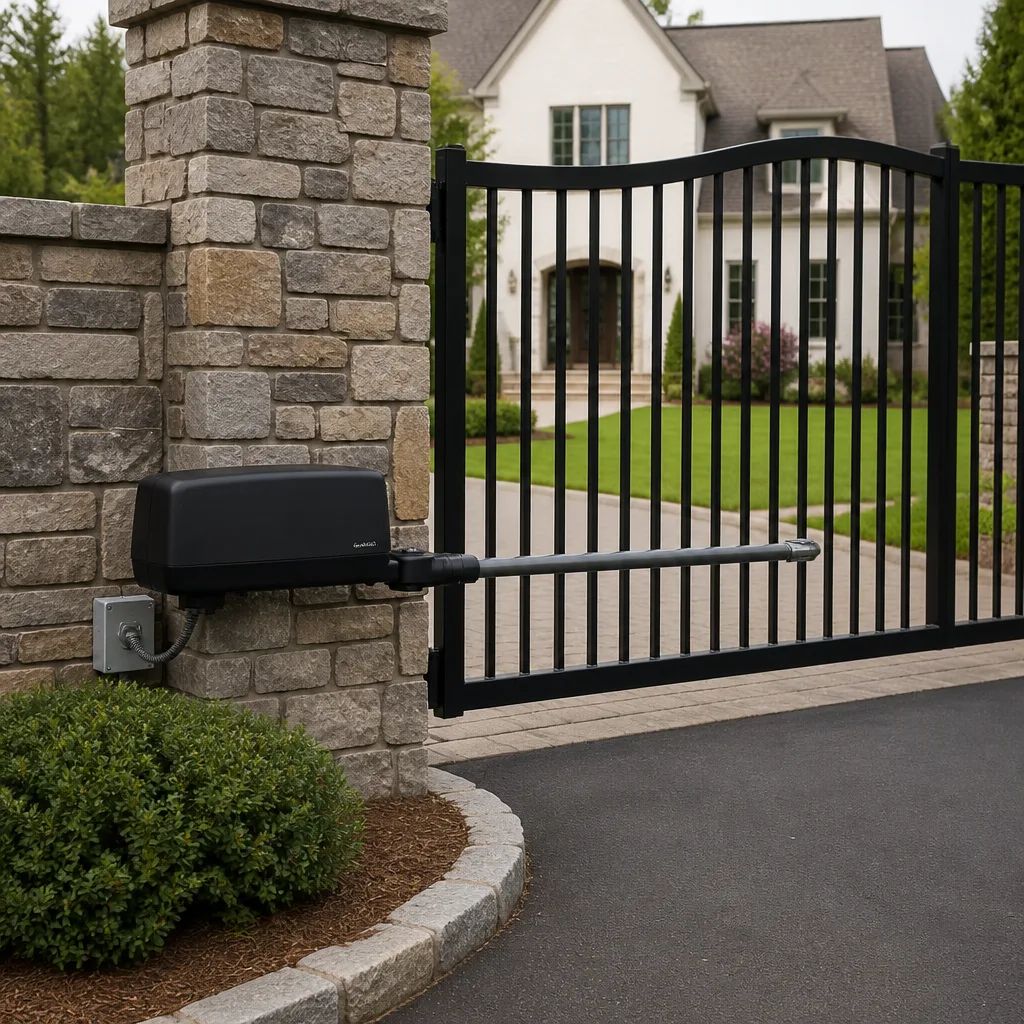 LiftMaster operators
Free on-site gate assessment - hinges, posts, and your LiftMaster or Nice gate operator checked before anything is quoted
The assessment is free and the quote is the invoice.
Get your free estimateGate Repair Permits, Codes & Inspections in Columbia, MD: What You Need to Know
Most people assume the gate is the hard part. It usually isn’t. The paperwork that sits behind the gate is where homeowners get surprised, especially when an operator gets swapped out or a new gate goes in near a property line. In Columbia, MD the permit question comes up more often than you’d think, and the answer isn’t always obvious. A repair is often exempt. A replacement or a fresh installation usually isn’t. This guide walks through when Howard County generally expects a permit for gate work, how the Columbia village covenants stack on top of county rules, and what a compliant installation inspection actually looks at. By the end you’ll know what to ask a contractor before they touch your system.
Quick Answer
In Howard County, MD, routine gate repair (replacing a hinge, a component, adjusting a track) is typically permit-exempt, but replacing a gate operator or wiring new electrical service to a gate usually requires an electrical permit from the county. New gate installations commonly need both a building/electrical permit and approval under your Columbia village or HOA covenants. The written estimate should say who pulls the permit and confirm the installer is properly licensed to do so. If it doesn’t, ask.
Styles & brands we work with
- Wrought iron
- Wood & steel frame
- Farm & ranch
- Sliding driveway gates
- LiftMaster operators
Table of Contents
- Repair vs. Replacement: Where the Permit Line Falls
- Howard County Electrical Permit Thresholds for Gate Operators
- The Columbia Village HOA Overlay: What Covenants Add
- What a Compliant Installation Inspection Actually Checks
- How to Verify a Contractor Is Licensed to Pull Permits in Maryland
- What Happens If You Skip the Permit
- What Permit-Ready Gate Work Typically Costs in Columbia
- The Step-by-Step Permit and Installation Process
Repair vs. Replacement: Where the Permit Line Falls
The clearest way to think about permits for gate work is whether you’re keeping the existing system or introducing something new. Repairs keep the system. Replacements and installations introduce something new. That’s the split Howard County cares about, and it’s the split that trips up homeowners who assume any contractor visit is “just a repair.”
What counts as a repair in most cases:
- Replacing a worn hinge, roller, or latch
- Adjusting the gate so it tracks and closes properly
- Repairing a bent panel or correcting a sagging swing
- Diagnosing and fixing a fault on an existing operator that’s already permitted and wired in
What usually crosses into permit territory:
- Replacing the gate operator with a new unit, particularly one with new wiring or a new power circuit
- Running a new electrical circuit out to the gate, or adding power where none existed
- New gate installation, whether manual or electric
- Changes to the access-control wiring or the loop detectors tied to the operator
We’ve seen this play out differently on the two ends of the spectrum too. A Mighty Mule operator on a residential swing gate and a DoorKing system on a commercial slide gate both have wiring involved, and the electrical side is what triggers the county requirement, not the brand. On our gate repair visits the first thing we sort out is whether we’re doing a fix (no permit) or a swap (permit likely). That distinction keeps the homeowner from being surprised by a stop-work order or a permit rejection after the work is done.
Howard County Electrical Permit Thresholds for Gate Operators
Gate operators are electrical equipment, and electrical work in Howard County is what triggers permit review. A homeowner doesn’t need to memorize the county code to get this right. They need to understand the principle: if the work introduces a new power source, a new circuit, or a new piece of equipment that runs on line voltage, a permit is generally expected. If it’s a like-for-like component swap on an existing circuit that was already inspected, it usually isn’t.
The three broad triggers to know:
- New circuit or new power run. Running conduit and wiring from the panel out to the gate for the first time. This is electrical work and normally requires a permit.
- Operator replacement on a new feed. Replacing a failing operator with a different unit that requires a different wire gauge, new grounding, or a new disconnect. This usually requires a permit because the electrical installation itself changes.
- Access control and low-voltage additions. Adding keypads, loop detectors, or intercom wiring that ties into the operator. Low-voltage portions may be exempt on their own, but when they involve cutting into the operator’s line-voltage wiring or altering the enclosure, the county typically wants to see the plan.
If you’re on a residential property in Columbia and the operator runs on a standard 120V feed, that’s still line voltage, and the electrical portion is what a permit review looks at. Commercial gate systems get more scrutiny because the operators are heavier, the duty cycles are higher, and a LiftMaster or Elite unit on a heavy commercial gate can be drawing significant current. The inspector wants to see the disconnect, the ground, and the wire path. None of that is guesswork if the permit was pulled correctly.
The biggest misconception we hear is that a “gate guy” can just swap the operator and move on. On commercial and HOA-managed properties, that assumption tends to fail the first time a property manager gets asked for the permit record.
The Columbia Village HOA Overlay: What Covenants Add
Columbia’s design as a collection of villages means most residential properties sit under a village association in addition to the county. That overlay adds a second layer to gate work, and it’s usually where homeowners get tripped up because the county rules and the county’s building department aren’t the whole story.
What the village covenants typically add on top of county code:
- Appearance approval. The style, color, and material of a replacement gate often need to match what was originally approved for the village. A new gate with a different finish can be denied even if it’s fully permitted with the county.
- Setback and location. Moving a gate, widening it, or shifting it closer to a property line may require village approval for setback reasons separate from any county review.
- Height and visibility. Fence and gate height rules in Columbia’s villages tend to be stricter than the county’s minimums, and sightlines matter on corner lots.
- Landscaping impact. Gate work that requires removing established plantings along the driveway often triggers a covenant review of the replacement landscaping.
The practical advice: before we install a new gate anywhere in Columbia, we ask the homeowner to check their village covenant documents or call the village association directly. It’s usually a short conversation and it prevents the awkward scenario where a gate is up and functioning but the village wants it changed. On an electric electric gate repair or install, the operator itself usually isn’t the covenant issue. The gate the operator moves is.
What a Compliant Installation Inspection Actually Checks
When a permit is pulled, the county inspection is a specific list of safety and code items, not a general “does it work” check. Understanding what the inspector looks at helps you prepare and helps you tell whether your contractor knows what they’re doing.
What the inspection generally covers:
- Grounding and bonding. The operator’s metal enclosure and any metallic parts of the gate system need proper grounding. A new operator installed without a proper ground will fail inspection, and it’s also a safety issue for anyone touching the gate.
- GFCI protection. Outdoor electrical equipment needs ground-fault protection on the circuit feeding it. If the circuit feeding the gate is missing GFCI protection, that’s a common inspection failure on older installations.
- Disconnect means. There needs to be a way to kill power to the operator safely and accessibly, so service work can be done without standing on a ladder at the panel.
- Safety reversal and obstruction sensing. Electric gates need to reverse or stop when they hit something, and the inspector tests this. Photoelectric sensors, edge sensors, and operator settings all come into play.
- Warning signage and entrapment prevention. The warning placards and the placement of the operator relative to the gate travel path both matter. Pinch points and crush zones get attention on slide gates especially.
- Wiring methods. Conduit type, burial depth for underground runs, and mechanical protection all matter. The inspector is looking at whether the wiring was installed to code, not just whether the gate opens and closes.
We’ve seen failed inspections on operators that were installed by well-meaning handymen who got the gate working but missed the grounding or the GFCI. In our experience the diagnosis is usually quick once we’re on-site, but the re-inspection adds a step the homeowner didn’t budget for.
How to Verify a Contractor Is Licensed to Pull Permits in Maryland
The permit itself is not just paperwork. Pulling a permit requires the contractor doing the work to hold the appropriate Maryland license, and that’s a meaningful filter. A contractor who can’t pull a permit for gate work is a contractor working around a licensing requirement, and that’s worth knowing before you hire them.
Here’s how to verify, step by step:
- Ask for the Maryland Home Improvement Commission (MHIC) license number in writing. It should appear on the estimate, not just be offered verbally.
- Verify the number on the state’s database. The MHIC maintains a public lookup. Cross-check the license status and the name of the licensed contractor; they should match the business on your estimate.
- Ask who pulls the permit. If the answer is “you do,” that’s a red flag for a job that involves new electrical. The installing contractor should generally be the permit holder because they’re responsible for the work.
- Ask for the electrical license on the electrical portion if it’s separate. Some gate installers hold the home improvement license and bring in a licensed electrician for the wiring. That’s fine and often correct; what matters is that both licenses exist and both contractors are on record.
- If the contractor is “working around” the permit, walk away. A contractor who tells you a permit “isn’t really needed” for an operator replacement that obviously changes the electrical install is telling you something about how they operate.
At Gate Repair Columbia we pull permits for the work that requires them and we say so in the estimate. Our technicians have up to 9 years of experience and we’ve worked on both sides of the permit line often enough to know where it sits. If you’re in Columbia and want an honest read on whether a specific job needs a permit, call (866) 519-6885. We answer 24/7, and fast dispatch runs from 7am to 7pm, Sunday through Friday.
What Happens If You Skip the Permit
Skipping a permit on work that requires one is a choice the property owner bears, not the contractor. That’s the part most people don’t realize until it’s too late. The county’s enforcement runs against the property, not the person who did the work, and the discovery often happens years later during a resale inspection or an insurance review.
The realistic outcomes when permitted gate work was done without a permit:
- Resale complications. A home inspector or a buyer’s agent can flag unpermitted electrical work. The seller usually ends up either getting a retroactive permit (which requires the work to be inspected and brought up to current code) or negotiating the price down. Either way, it costs more than pulling the permit at the time would have.
- Insurance exposure. If a gate-related electrical fault causes damage and the carrier discovers the work was never permitted, coverage can be contested. That’s a conversation nobody wants to have after a loss.
- Stop-work orders. If a neighbor or a village association reports the work while it’s in progress, the county can stop it. That leaves a gate half-installed and a homeowner with an unusable driveway while the paperwork gets sorted.
- Retroactive permitting. Getting a permit after the fact is possible but usually requires exposing the work for inspection, which can mean re-digging a footing or opening up the operator enclosure. It extends the timeline and the cost.
- Code correction at your expense. When the county inspects work that was done without a permit, they inspect it against current code, not the code in force when the work was originally done. Older installations often fail on grounding and GFCI even if they were compliant at the time.
None of this is meant to sound scary. It’s meant to explain why we ask the permit question early on every installation and operator replacement in Columbia. The permit process is not slow or expensive relative to the alternative. It’s just unglamorous, and unglamorous is exactly why it gets skipped.
What Permit-Ready Gate Work Typically Costs in Columbia
Let’s be clear about what a permit costs versus what a permit-ready job costs. The county permit fee is one line item. The bigger cost is the work itself: the operator, the electrical, the gate hardware, and the labor to install it to code. That’s why the estimate matters more than the permit fee on its own. We can’t quote a number over the phone because the system determines the number, but we can tell you what typically shows up on a Columbia estimate.
Typical cost ranges for gate work in Columbia:
| Job Type | Typical cost range |
|---|---|
| Routine manual gate repair (hinge, latch, adjustment) | Frequently $150 – $400 |
| Diagnostic visit on an electric gate that won’t operate | Frequently $150 – $300 |
| Electric gate repair (operator component, sensor, control board) | Typically $250 – $800 |
| Replacement gate operator including electrical and permit | Often $1,200 – $3,000 |
| New residential swing gate installation, manual | Frequently $2,000 – $4,500 |
| New automated residential gate installation | Typically $4,000 – $8,000 |
| Commercial gate installation with access control | Commonly $8,000 and up |
Those are typical ranges, not quotes. The written estimate is what sets the final price, and every estimate is quoted and agreed before any work starts. Permit fees are generally a separate line item and vary with the scope of the electrical work. What the estimate should include is the operator, the wiring, the permit responsibility, and the plan for the village or HOA side if that’s in play.
The Step-by-Step Permit and Installation Process
Here’s the sequence on a Columbia gate job that involves a permit. Every job is a little different, but the general order holds.
- On-site assessment. We come out, look at the existing gate and operator, and take measurements. We ask about the village or HOA requirements so the estimate reflects the real scope of the job.
- Written estimate with permit scope stated. We put the parts, labor, and permit responsibility in writing. If a permit is expected, it’s called out. If the work is repair-only, that’s stated too, so you know why no permit is involved.
- Permit application. We pull the electrical permit (and the building permit if it’s a full installation). The county reviews the scope and issues the permit.
- Scheduling and installation. Once the permit’s in hand, we schedule the work. Installation includes the operator wiring, grounding, disconnect, safety sensors, and warning placards.
- County inspection. The inspector comes out to verify grounding, GFCI, safety reversal, and wiring methods. Any deficiencies are documented and corrected, and a re-inspection is scheduled if needed.
- Closeout. The permit closes out after a passing inspection. If the village requires a separate sign-off, we coordinate that with the homeowner and the association.
For our full range of services, see Gate Repair Columbia.
Common Mistakes to Avoid
- Assuming repair is always permit-exempt. A repair that amounts to a full operator swap is usually not exempt in Howard County because the electrical installation changes. Ask the question before the work starts, not after.
- Skipping the village association check. Columbia’s village covenants often govern gate appearance and setback in ways the county doesn’t. A permitted gate that violates the village’s design approval can still need to come down.
- Letting a handyman pull an operator swap without a permit. The homeowner bears the code exposure if a permit was required and skipped. It surfaces at resale or at an insurance review, years later.
- Not confirming the electrical license for the wiring. Gate installers often bring in a licensed electrician for the wiring. That’s fine, but both licenses need to be on the record. If neither exists, that’s the problem.
- Assuming GFCI protection is already there. Older installations often don’t have it, and retrofitting is part of bringing a job up to code. If a permit is being pulled anyway, it’s the right time to fix it.
- Ignoring the warning placards and entrapment rules. These are inspection items, not decorative. A missing warning sign or improperly placed sensor can fail the inspection even when the gate functions.
- Not keeping the permit paperwork. When you sell, the permit and the inspection record are what show the work was done properly. A verbal “it’s all permitted” from a contractor isn’t enough.
See the difference
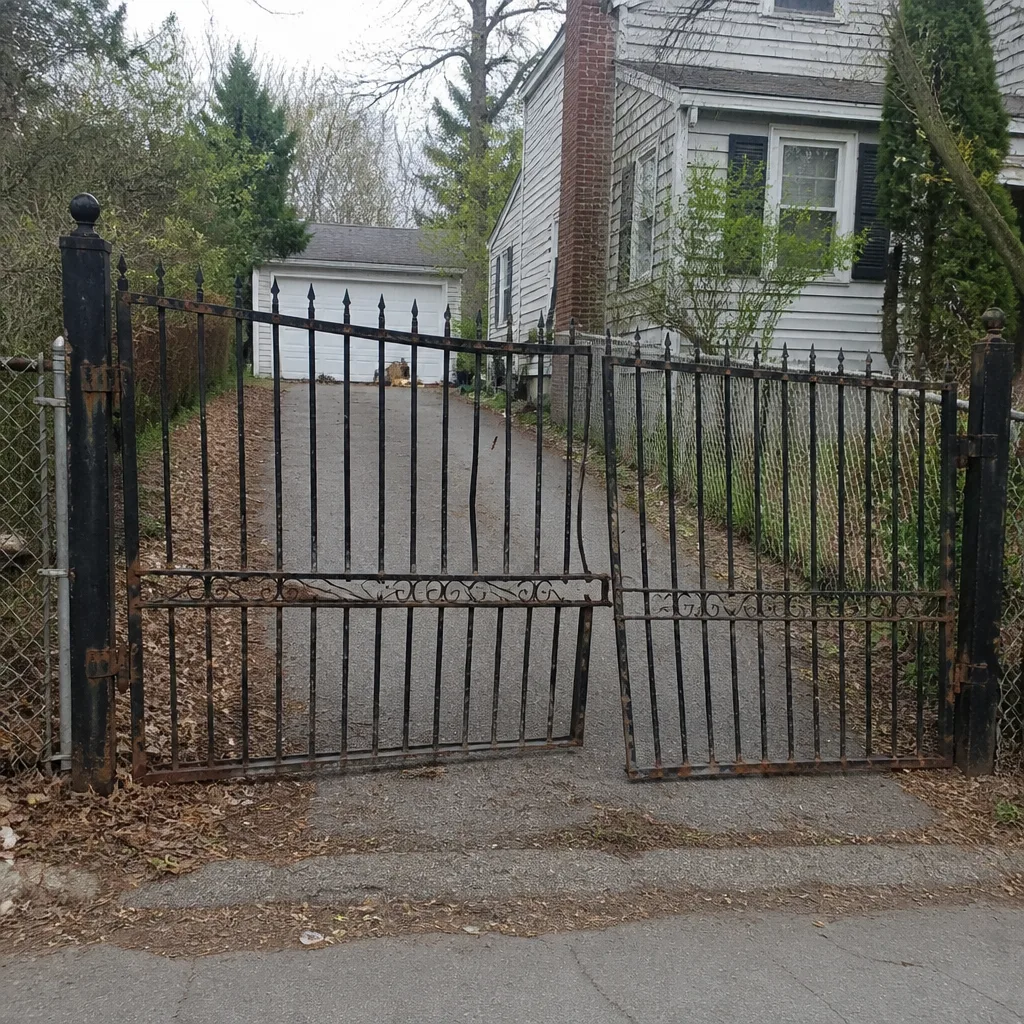 Before
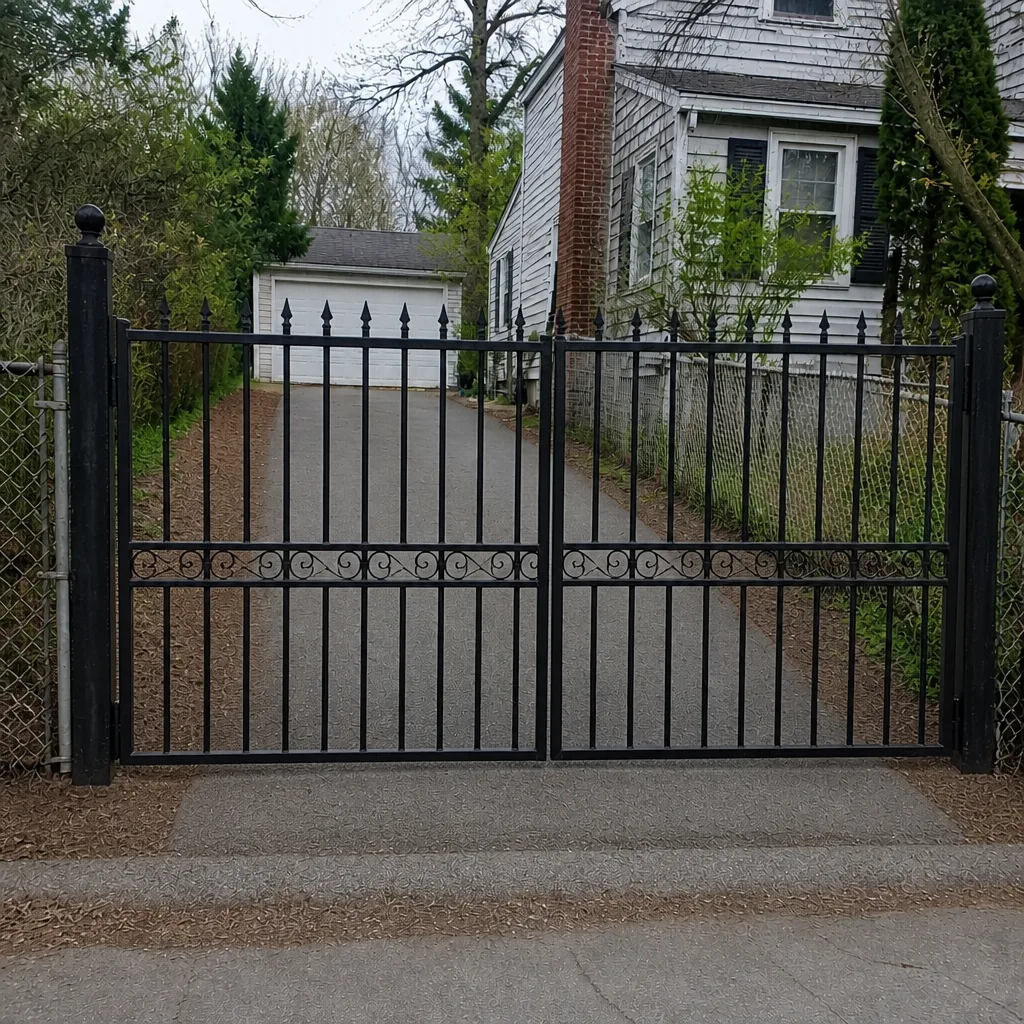 After
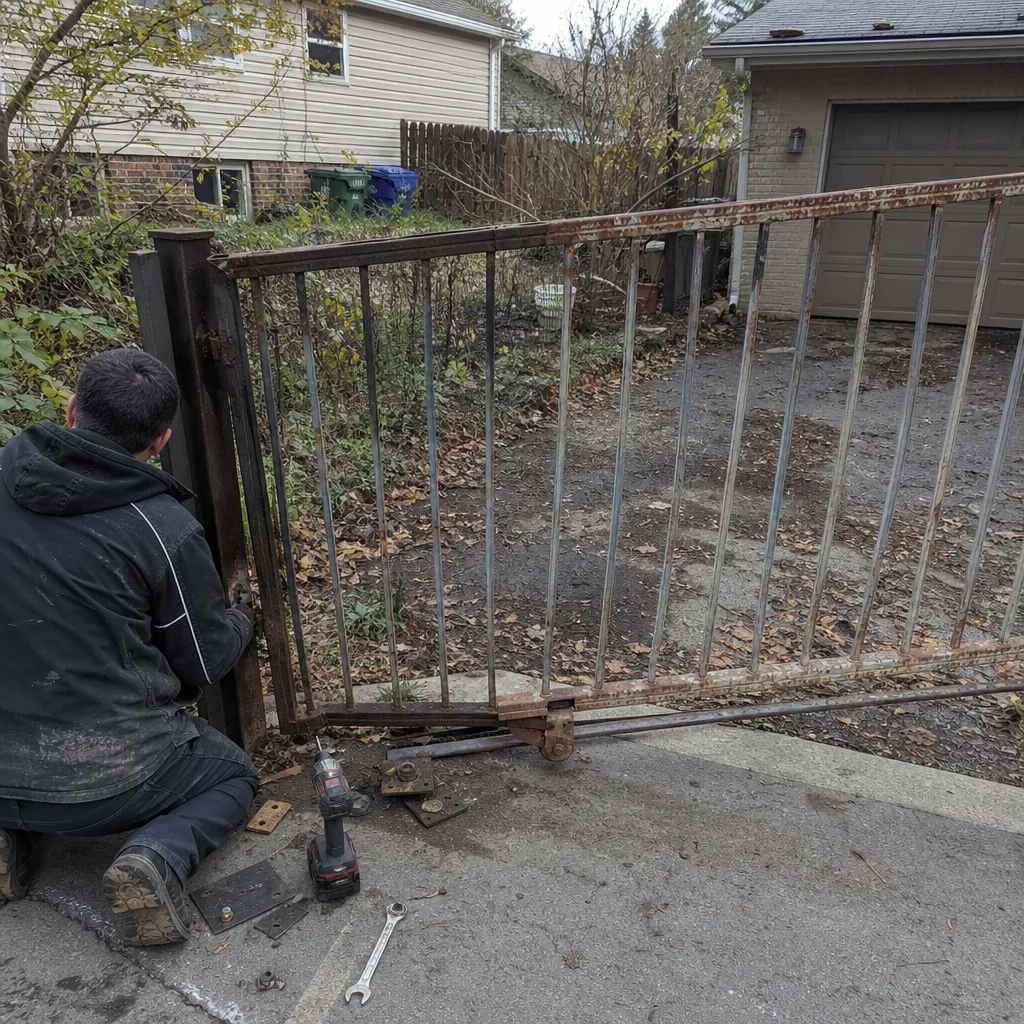 Before
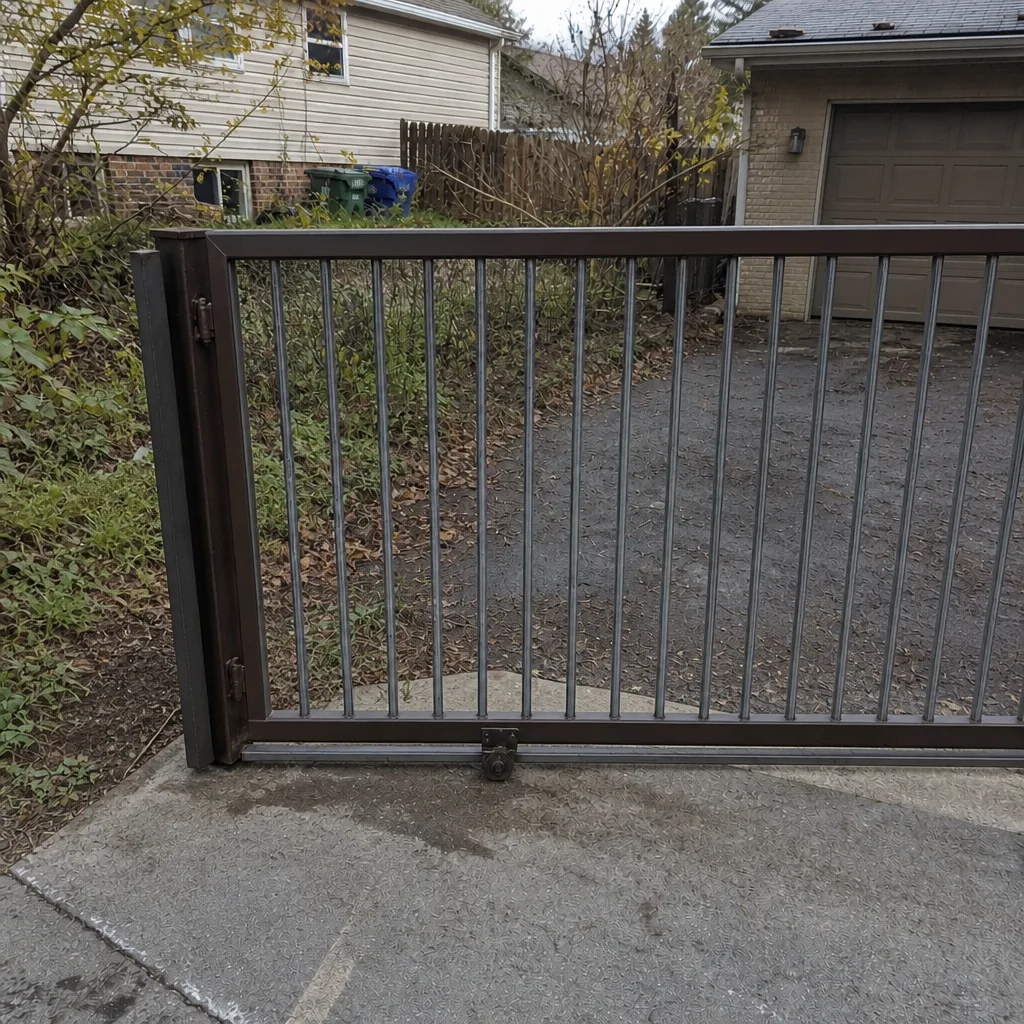 After
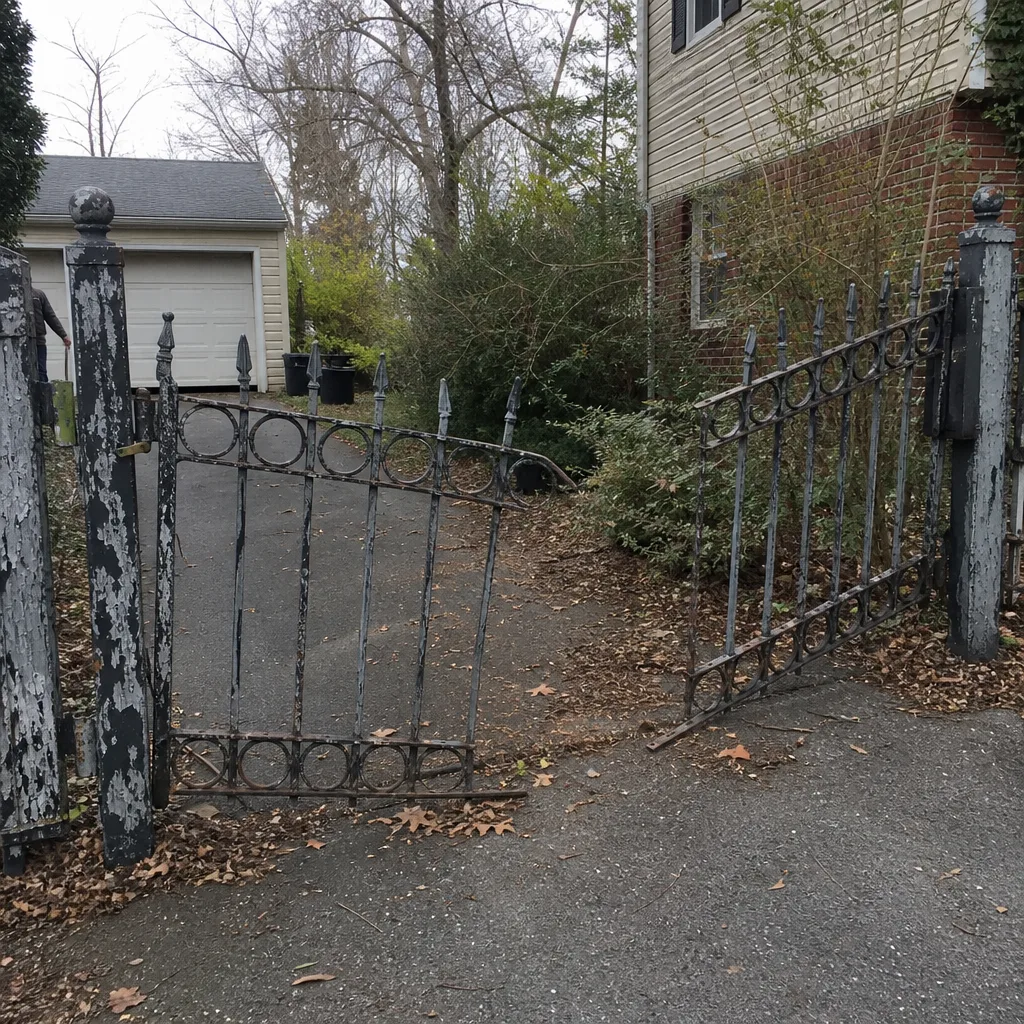 Before
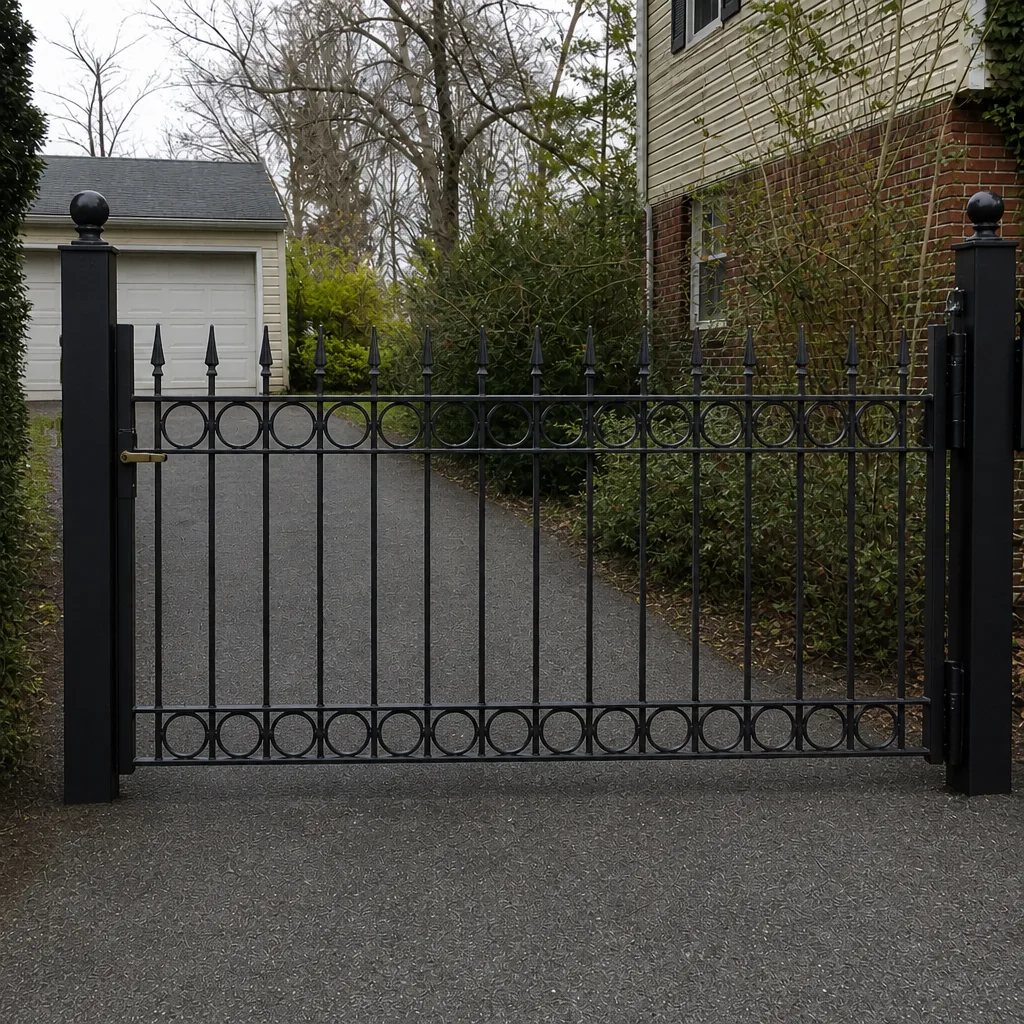 After
When to Call a Professional
Call us when the job involves anything on the electrical side of the gate, when you’re replacing the operator or commissioning a new installation, or when you want a straight answer about whether a repair needs a permit. We handle the electrical coordination, the permit scope, and the installation as one job. Call us when the gate won’t operate and you need it diagnosed, when the operator’s throwing a fault you don’t recognize, or when a property manager or HOA board needs documentation that the work was done to code. Gate Repair Columbia offers free estimates in Columbia. Call (866) 519-6885. We answer 24/7, and fast dispatch from 7am to 7pm, Sunday through Friday.
Frequently Asked Questions
In most cases, no. Routine gate repair like replacing a hinge, adjusting a track, or fixing a latch is typically permit-exempt in Howard County. The permit question comes up when the work touches the electrical system or involves a replacement operator, not when a component fails and gets sw
apped. If you’re not sure which side of the line your job falls on, call (866) 519-6885 for a free estimate. A quick conversation usually settles it.
Often yes. Replacing a gate operator usually requires an electrical permit because the electrical installation itself can change: new wiring, new grounding, new disconnect means. A like-for-like operator swap on an existing permitted circuit may qualify as repair in some reviews, but the electrical scope determines it. The safest approach is to have the installing contractor state in writing whether they’re pulling a permit. Call (866) 519-6885 with the brand and model of your existing operator and we can tell you what to expect on the permit side.
The village association typically reviews the appearance, color, material, and placement of a new gate before the county’s permit is even the last step. Columbia’s villages each have their own covenant documents, and the design approval for the gate on your property runs through the village, not the county building department. Read the covenant documents before you order a gate, or call the association and ask about the approval process. Getting the village approval first saves a re-do later.
The inspector verifies grounding and bonding, GFCI protection on the circuit, a safe disconnect, safety reversal and obstruction sensing, warning signage, and the wiring methods. Those are the recurring inspection items on gate installations and operator replacements in Howard County. If any of them fail, the permit stays open until they’re corrected and re-inspected. Call (866) 519-6885 for a free estimate if your installation failed inspection and you need it diagnosed.
Ask for the MHIC license number in writing and verify it through the state’s public lookup before hiring. The name on the license should match the name on your estimate. Then ask who pulls the permit: on electrical work, the installing contractor should generally be the permit holder. A contractor who tells you a permit isn’t needed on an obvious operator swap is telling you how they operate. Call (866) 519-6885 if you want our read on the permit scope of a specific job.
The property owner of record bears the code exposure, not the contractor who skipped the permit. That usually shows up at resale, during an insurance review, or when a stop-work order is issued mid-job. Retroactive permitting is possible but requires exposing the work for inspection, which can mean re-digging footings or opening up operator enclosures. The permit at the time is the cheaper and simpler path. Call (866) 519-6885 if you’ve inherited an unpermitted installation and want to know what fixing it involves.
The Bottom Line
Gate work in Columbia sits under two layers of jurisdiction: Howard County’s permit and electrical review, and your village or HOA covenants on top. Repairs are usually permit-exempt; operator replacements and new installations usually aren’t. The permit is not the expensive part. The exposure that comes from skipping it is. Ask the contractor what’s being permitted, who’s pulling it, and what the county inspection will cover before the work starts. If the answers are vague, walk away. For a straight answer on whether your specific job needs a permit in Columbia, call Gate Repair Columbia at (866) 519-6885. We answer 24/7, and fast dispatch from 7am to 7pm, Sunday through Friday. Estimates are free.
Written by the team at Gate Repair Columbia.