
Last updated November 15, 2026
 Wrought iron
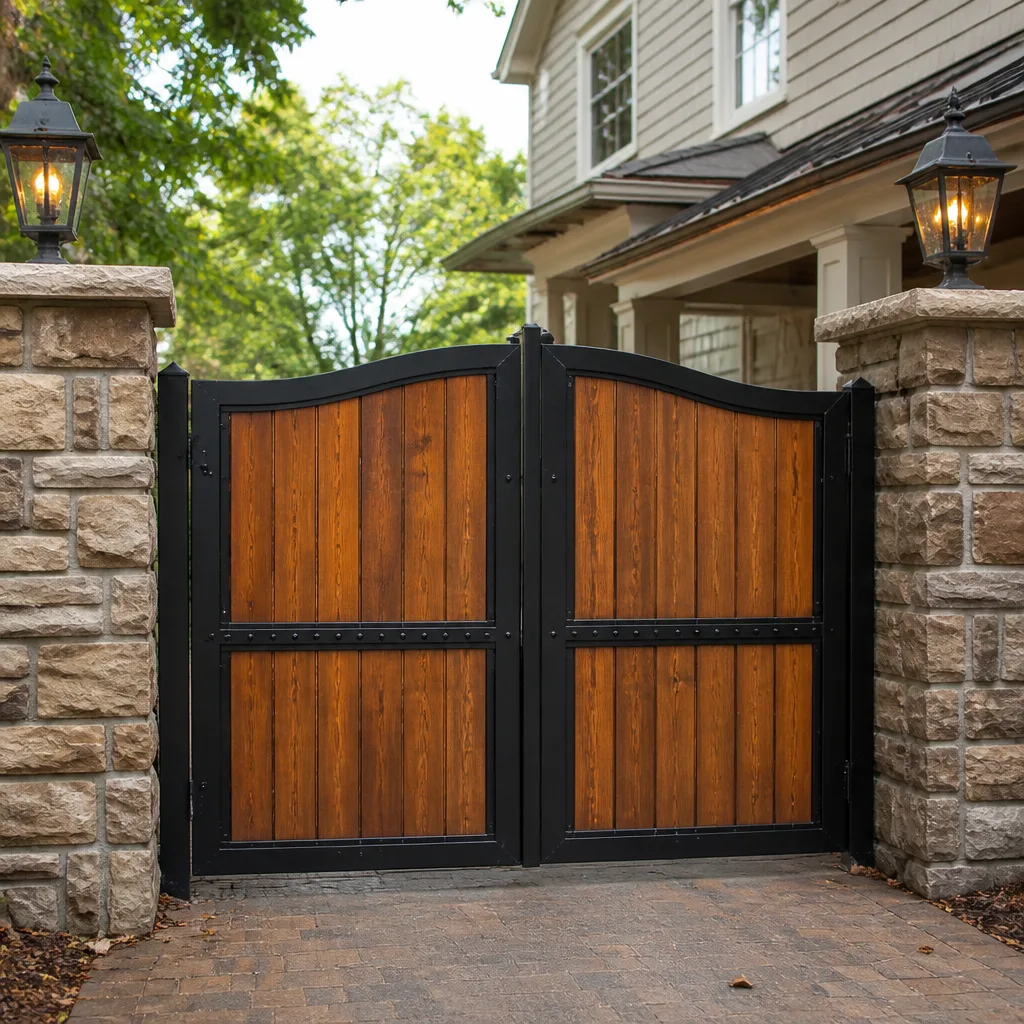 Wood & steel frame
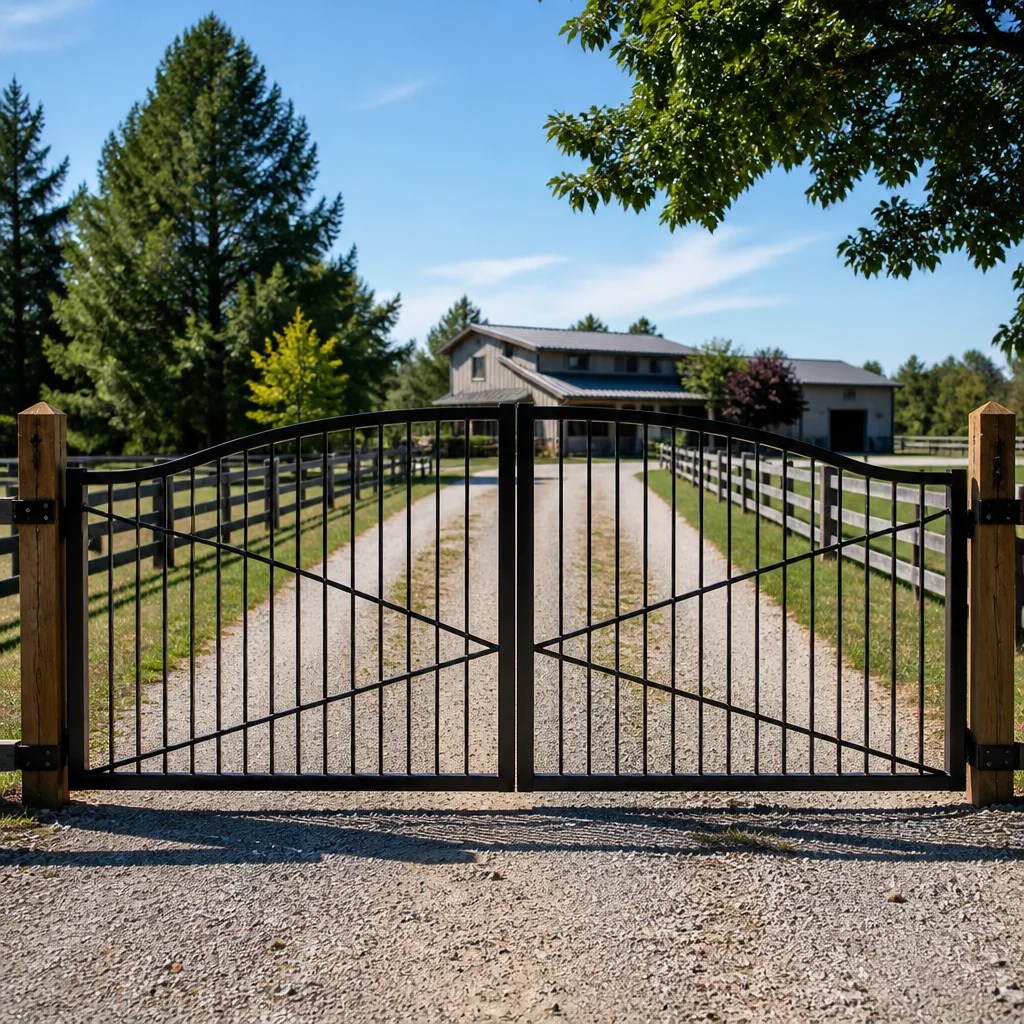 Farm & ranch
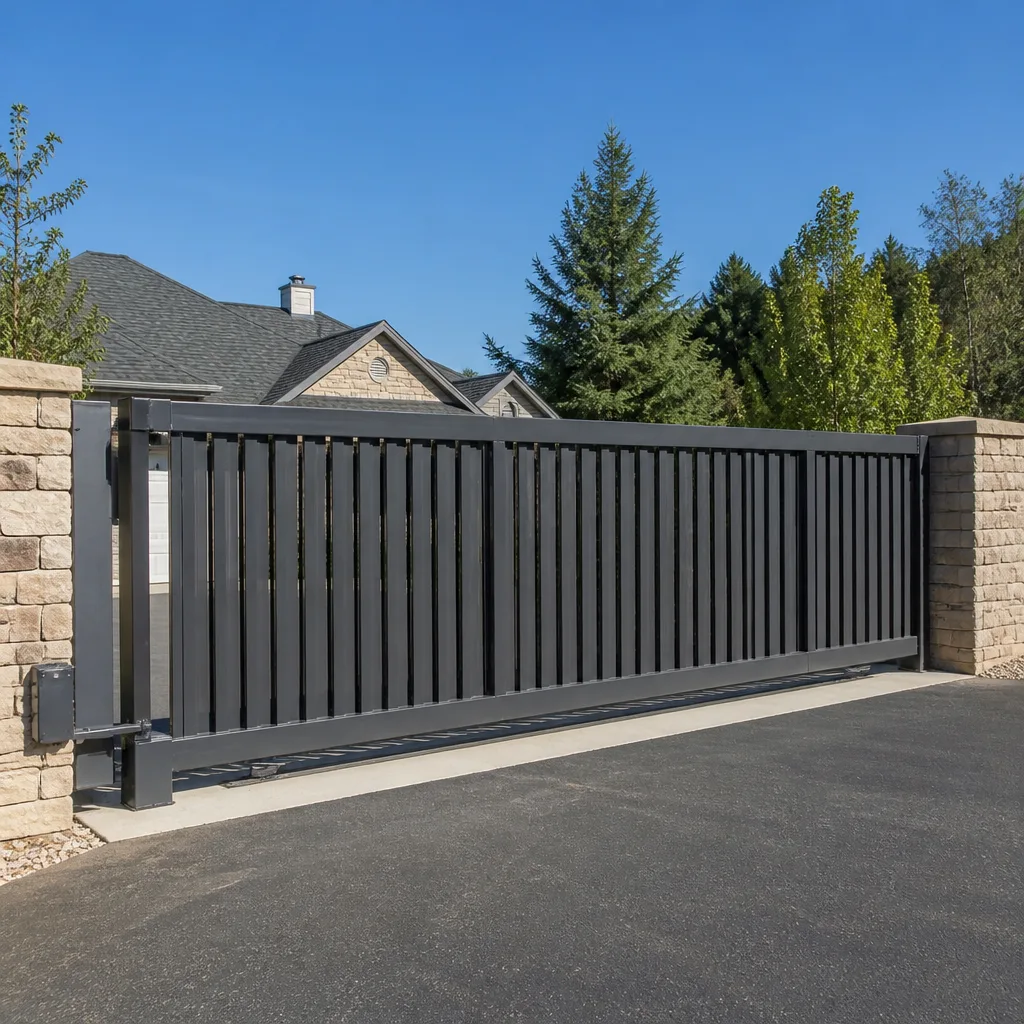 Sliding driveway gates
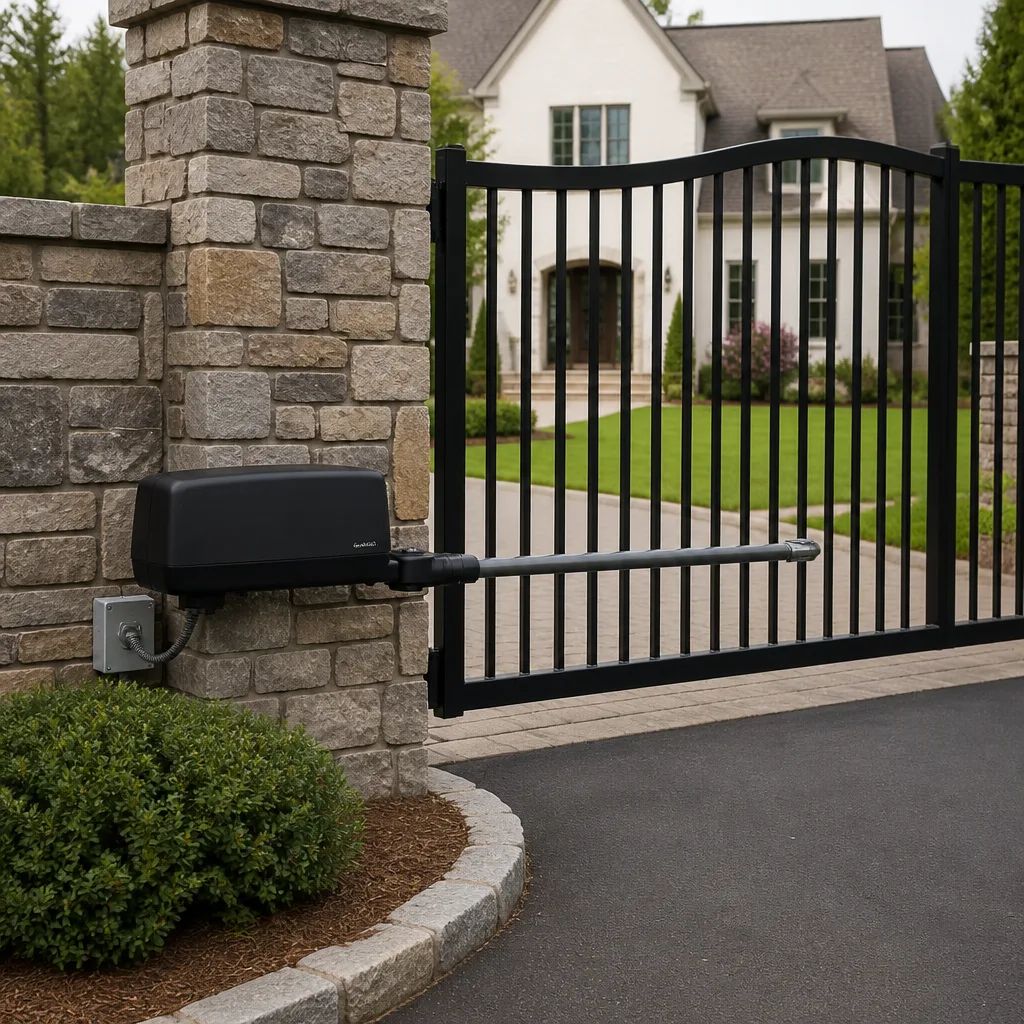 LiftMaster operators
Free on-site gate assessment - hinges, posts, and your LiftMaster or Nice gate operator checked before anything is quoted
The assessment is free and the quote is the invoice.
Get your free estimateGate Repair Maintenance Schedule: What to Do and When
Most gate failures don’t happen in winter. They happen in April, when grease that thickened in the cold finally works its way into the control board housing. That’s the part most maintenance advice gets wrong: it treats a gate like a car that needs the same service every few months, when a gate in Columbia actually moves through distinct seasonal stress points, and the task that matters in October has almost nothing to do with the one that matters in July. This guide replaces the vague “lubricate annually” advice with a month-by-month schedule tied to real mechanical consequences, so you know exactly what to inspect, when, and why.
Quick Answer
A gate maintenance schedule organized around Columbia’s seasons: prepare for freeze in October, inspect hinges and hardware after the last thaw in March, run thermal and stress checks during peak summer use in July, and test battery backup on its own fixed interval rather than following the smoke-alarm rule. The single most predictive check is a gap measurement at the gate post, done monthly, because it catches most imminent mechanical failures before a symptom appears. Anything involving electrical wiring, the operator’s power, or heavy panels that could crush belongs with a trained technician, not a weekend repair.
Styles & brands we work with
- Wrought iron
- Wood & steel frame
- Farm & ranch
- Sliding driveway gates
- LiftMaster operators
Table of Contents
- Why a Seasonal Schedule Beats a Generic Checklist
- October: Pre-Freeze Preparation
- March: The Post-Thaw Hinge and Hardware Inspection
- July: Peak-Use Thermal and Stress Checks
- Matching the Right Lubricant to the Right Component
- The Gap Measurement That Predicts Most Failures
- Battery Backup Testing: Why the Smoke-Alarm Rule Fails
- Keeping a Maintenance Record That Holds Up
Why a Seasonal Schedule Beats a Generic Checklist
Columbia sits in the transition zone between humid summers and hard freezes, and a gate responds to that swing with real mechanical changes. Metal expands in July heat and contracts in January cold. Lubricants change consistency with temperature. Wooden posts move with moisture. A checklist that says “inspect quarterly” ignores all of it and tells you nothing about what to actually look for in a given month.
A schedule tied to seasons does the opposite. It puts the heaviest inspection right after the period of greatest stress, so you’re catching wear when it’s fresh rather than discovering it months later when a hinge has seized or a slide gate has jumped its track. It also spreads the work sensibly, so you’re not doing everything at once or nothing at all.
Here’s how the year breaks down in our experience across residential and commercial gate systems in the area:
- October: pre-freeze prep before the first hard freeze locks problems in.
- March: post-thaw inspection after frost movement has had its say.
- July: peak-use thermal and stress checks during the heaviest traffic and heat.
- Monthly, year-round: the gap measurement and a visual walkaround.
- On its own interval: battery backup testing, which doesn’t map to any season.
An HOA manager or a homeowner in Columbia can run the visual parts of this on their own. The electrical and heavy-panel work is where you call in Gate Repair Columbia rather than take on the risk yourself.
October: Pre-Freeze Preparation
October is the month that determines how painful the winter will be. Once the ground freezes, posts stop moving and any hardware that’s already loose or misaligned stays that way until spring. So the goal in October is to find and fix the problems before freezing temperatures lock them in.
Work through this in order:
- Walk the full travel path. Open and close the gate slowly and watch for any point where it drags, hesitates, or changes sound. A gate that’s developed a small bind in October becomes a strained operator by December.
- Check post stability. Push against each gate post near the top and watch for movement at the base. Cold weather and frozen ground will expose a weak footing all winter if you don’t address it now.
- Inspect hinges and pivot points for play and looseness, and confirm fasteners are snug.
- Look at the operator’s weather sealing. On electric systems, check that control enclosures and housing gaskets are intact before freezing rain and snow get a chance at the electronics.
- Clear the travel path of debris, leaves, and anything that could freeze into the gate’s path or block a slide gate’s track.
This is also the month to change whatever lubricant you use on exposed moving parts to something that stays workable in cold. More on that below, because the wrong choice in October is exactly how you get an April control-board failure.
If your operator is a LiftMaster, DoorKing, or any of the brands we take calls on, a pre-freeze service visit lets a technician test the motor’s draw and check the control board while conditions are still mild. That’s cheaper than diagnosing a dead operator in a January cold snap.
March: The Post-Thaw Hinge and Hardware Inspection
When the ground thaws, everything that froze in place starts moving again, and that movement puts real stress on hinges, pivots, and hardware. March is when you check what winter did. This is also when the thickened-in-cold grease we mentioned at the top finally works its way into places it shouldn’t, which is why April failures start in the cold months.
The post-thaw inspection covers:
- Hinge play and fasteners. Re-check every hinge for wobble and every bolt for looseness. Frost heave and thaw cycles work hardware loose.
- Post plumb. A post that shifted over the winter will throw off a swing gate’s alignment or a slide gate’s track. Check that posts are still square and level.
- Track and roller condition on slide gates. Look for grit, rust, or a roller that’s flattened or seized.
- Grease migration. Look for grease that’s oozed out of a component and dried or hardened somewhere new. If grease has migrated toward an electronics enclosure, that’s a technician call, especially on electric gate systems.
- Safety devices. Test the safety edges and photo-eyes on any automated gate so you know they still stop and reverse the gate as intended.
This inspection is where our gate repair work most often catches a problem early. A hinge that’s just starting to seize in March is a simple fix; a hinge that’s completely frozen by June usually means a stressed operator and a bigger bill. Brand-specific diagnosis matters here too, because an operator that’s straining because of a mechanical bind gets misdiagnosed as a failing motor all the time.
July: Peak-Use Thermal and Stress Checks
July combines the two biggest stress factors a gate faces: heat and heavy use. People are outside more, landscaping crews are coming and going, and an access-controlled gate at a commercial property or HOA may cycle dozens of times a day. Heat expands metal, softens some lubricants, and makes an already-strained motor work harder. This is the month to catch thermal stress before it cracks a control board or burns out a motor.
During peak summer, check:
- Operator housing temperature. On electric systems, feel the housing after heavy use. Excess heat points to a struggling motor or a control board under strain.
- Cycle count. If your operator tracks cycles, review it in July. A rising count against a struggling system tells you the motor is being worked beyond its comfort zone.
- Alignment after expansion. Metal gates and posts expand in heat; confirm latches, catches, and stops still line up.
- Lubricant consistency. Some greases thin out badly in heat and run off the component they were meant to protect. Look for dry or gummy pivot points.
- Access-control devices. Keypads, card readers, and entry phones at commercial sites take direct sun and abuse all summer. Test them under peak use.
If your system runs an Elite, FAAC, or another brand and it’s cycling hard all summer, a mid-season check on the operator and safety devices is worth scheduling. We work on your brand based on how it’s actually built, which means fewer unnecessary parts and fewer “replace the whole operator” upsells.
Matching the Right Lubricant to the Right Component
The single biggest lubrication mistake is using one product on everything. Different components need different lubricants, and some common choices actively accelerate wear. Here’s the matching that actually matters:
- Chain and drive mechanisms: use a dedicated chain and cable lubricant that penetrates and stays put. Not thick grease, which collects grit and grinds at the chain.
- Hinges, pivots, and moving metal-to-metal surfaces: a lithium grease or a proper hinge lubricant holds up well here. This is a load-bearing surface, so you want something that stays in place under pressure.
- Sliding tracks and rollers: a silicone-based lubricant works well because it’s clean and doesn’t hold grit the way grease does on an exposed track.
- Weather seals and gaskets: silicone, not petroleum-based products, which break down rubber over time.
The lubricants that cause trouble: WD-40 as a standalone lubricant (it’s a penetrant and solvent, not a lasting lubricant), thick axle grease on chains (it attracts dust and grit that wear the chain), and any petroleum product on rubber seals. Those three shortcuts are among the most common causes of premature wear we see.
Match the lubricant to the component, not to the season. A chain and a hinge don’t want the same product no matter what month it is. If you’re not sure what your operator’s manufacturer recommends for the drive assembly, that’s a question worth asking a technician who knows the system.
The Gap Measurement That Predicts Most Failures
If you do only one check, do this one: measure the gap at the gate post. It’s the single most predictive visual check there is, because a changing gap tells you the whole frame of the gate is shifting before any symptom shows up. A gate that’s losing its gap alignment is already under stress, even if it still opens and closes fine.
How to do it, as a measurement rather than a repair:
- Pick a fixed reference point at the post and the point on the gate that passes it, and measure the gap with a tape or a gauge.
- Record the number and the date. A single measurement tells you little; a trend tells you everything.
- Repeat monthly at the same reference points, and compare.
- Watch for change, not size. A gap that stays constant is fine. A gap that’s slowly closing or opening is a warning that a hinge, post, or pivot is moving.
In our experience, the majority of imminent mechanical failures announce themselves this way first: the gap drifts a little, the gate starts to bind slightly, and then one day the hinge or operator gives out. Catching the drift early is the difference between a small adjustment and a full repair. This applies to manual swing gates and complex electric systems alike, which is why it belongs at the top of your monthly routine no matter what electric gate repair history the system has.
Battery Backup Testing: Why the Smoke-Alarm Rule Fails
The advice to “test the battery backup when you change your smoke-alarm batteries” is genuinely bad for gate systems. Smoke alarms are tested on a fixed calendar because that’s how their batteries age. A gate operator’s battery ages by cycle count and charge behavior, not by the calendar, so a fixed seasonal test can miss a battery that’s failing from heavy use. Test on its own interval, based on how hard the system runs.
What to do instead:
- Set an interval based on use. A gate that cycles heavily needs more frequent battery checks than one that opens a few times a day. Pick an interval in cycles or in weeks that matches your traffic.
- Test under load, not just on a meter. A battery can read fine on a voltmeter and still fail to move the gate during a power outage. Test it by letting the operator run the gate on backup power.
- Watch for slow or weak cycles on backup. A gate that moves sluggishly when running on battery is telling you the battery is near the end.
- Log the test. Note the date and result so the next test isn’t guesswork.
Battery backup is what keeps an access-controlled gate working when the power drops, so it’s not something to leave untested just because the smoke-alarm calendar happened to come around. On the brands we service, we can tell you what interval suits your specific operator and how much it’s cycling.
Keeping a Maintenance Record That Holds Up
A maintenance log is worth more than a sticker on the operator box. A sticker tells you the last visit happened; a proper record tells an insurance adjuster or a home-sale inspector exactly what was checked, when, and by whom. That’s a different document entirely.
What a record that matters should contain:
- Date and time of each service or inspection.
- What was checked and the result of each check, including gap measurements and battery test outcomes.
- Parts replaced and the brand and component involved.
- Who did the work and their contact information, for any professional service.
- Photographs of anything repaired or replaced.
Keep this log with the property’s other maintenance records, not taped to the gate. An HOA manager should keep it in the association’s file; a homeowner should keep it with the rest of the house records. When you sell a property with an automated gate, a clean maintenance history is a real selling point, because it shows the equipment was cared for rather than neglected.
For a commercial or HOA gate in Columbia, this record also helps with budgeting: you can see what’s been failing and plan repairs instead of reacting to them. If you ever need to hand the file to an adjuster or an inspector, it’s ready.
Common Mistakes to Avoid
- Treating maintenance as an annual event. A once-a-year service misses the March thaw and the July heat entirely. The seasonal schedule exists because the problems happen at different times.
- Using one lubricant on everything. WD-40 on a chain, axle grease on a hinge, petroleum on a seal: these shortcuts cause the wear they’re meant to prevent.
- Skipping the gap check because the gate still works. A working gate can be quietly failing. The gap measurement is how you find that out before it stops working.
- Testing battery backup on the smoke-alarm calendar. A gate battery ages by use, not by the month. Test it on its own interval.
- Taking on electrical work yourself. Gate operators run on line voltage, and heavy gate panels can crush. That’s technician work, not a weekend project.
- Ignoring a Gate that was serviced by a generalist. A handyman who doesn’t know your brand may misdiagnose a mechanical bind as a dead motor and sell you a replacement you didn’t need. That’s why we diagnose by system knowledge, not guesswork.
- Letting a post move through a freeze without fixing it. Once the ground freezes, that movement is locked in until spring. Address post and footing issues in October.
See the difference
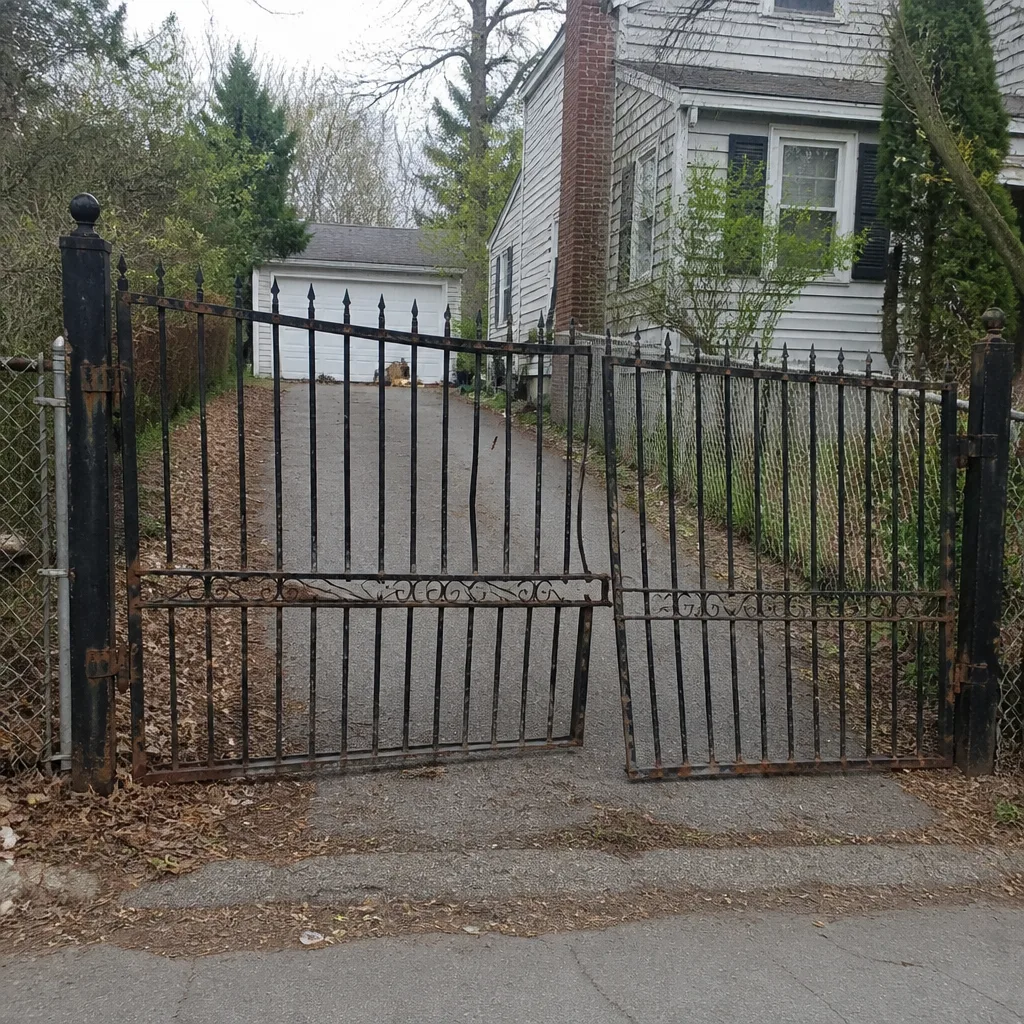 Before
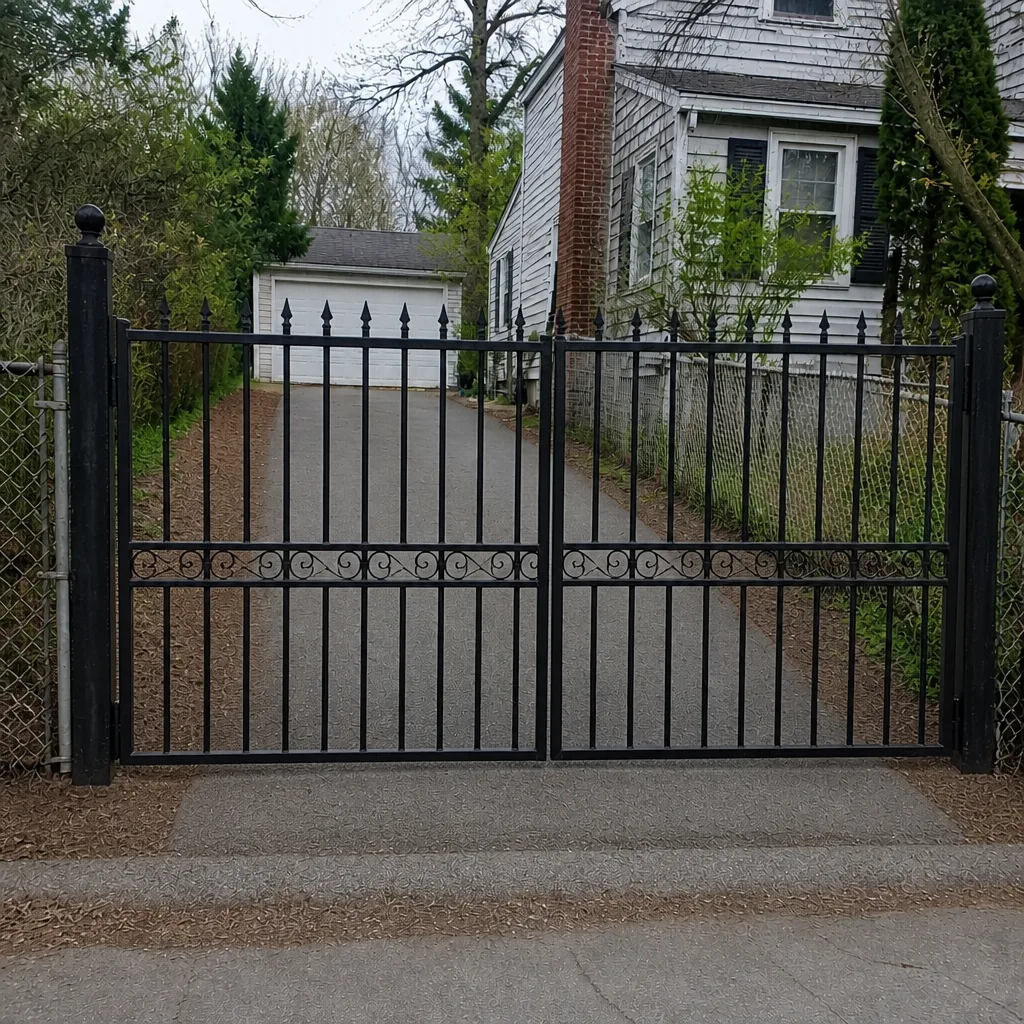 After
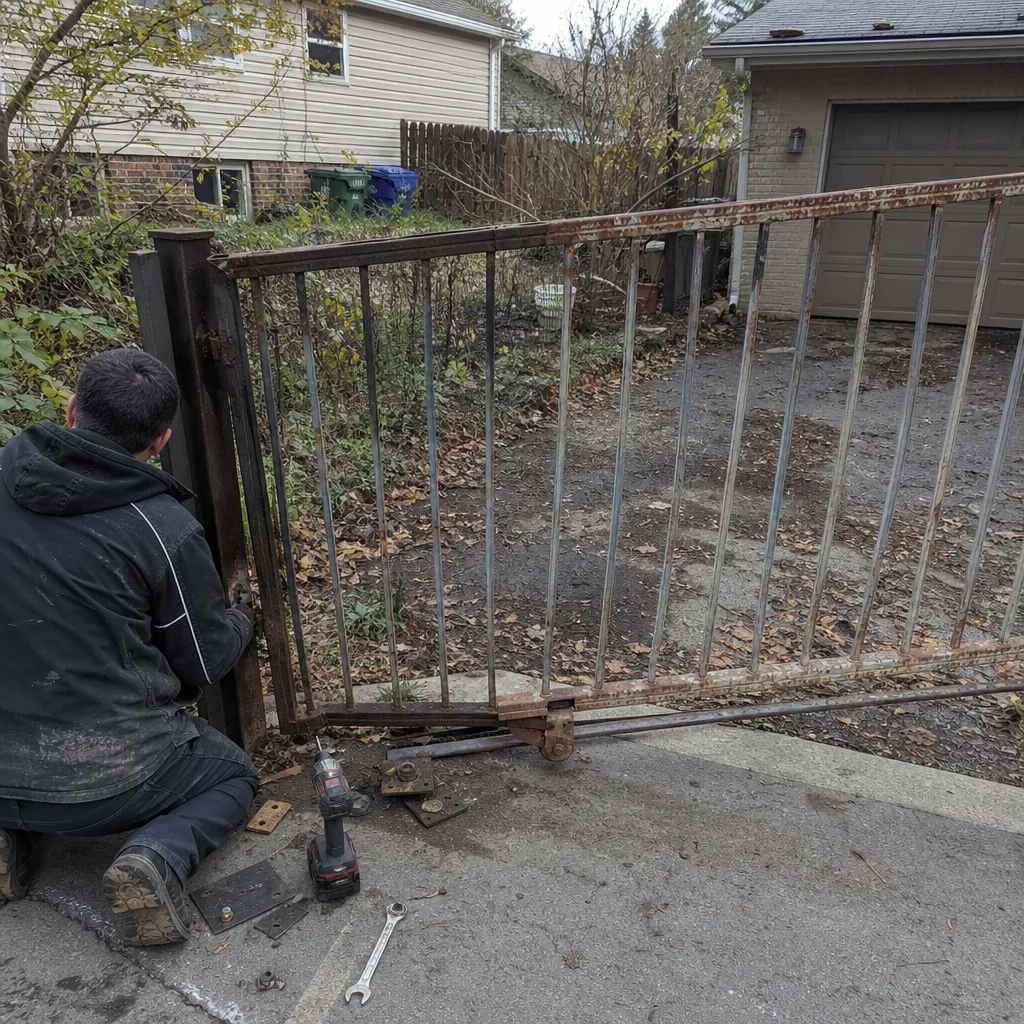 Before
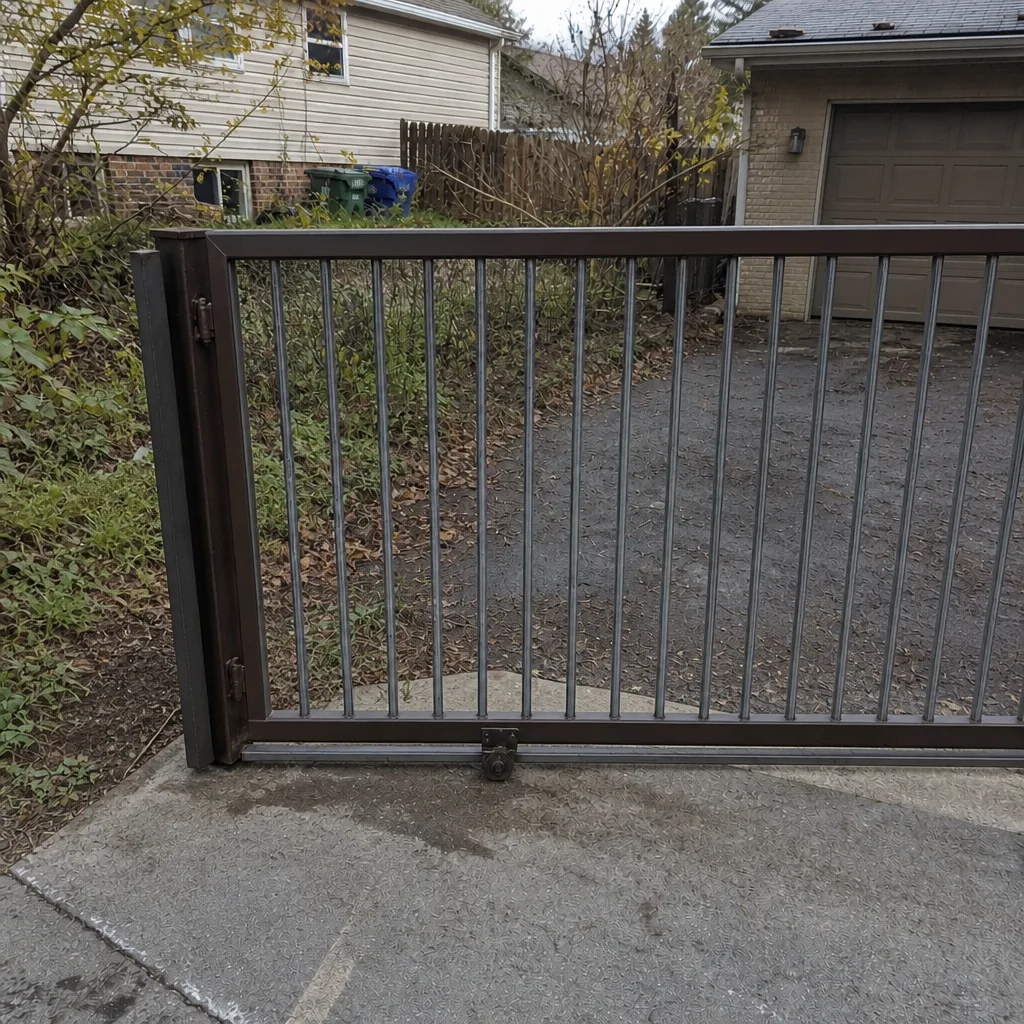 After
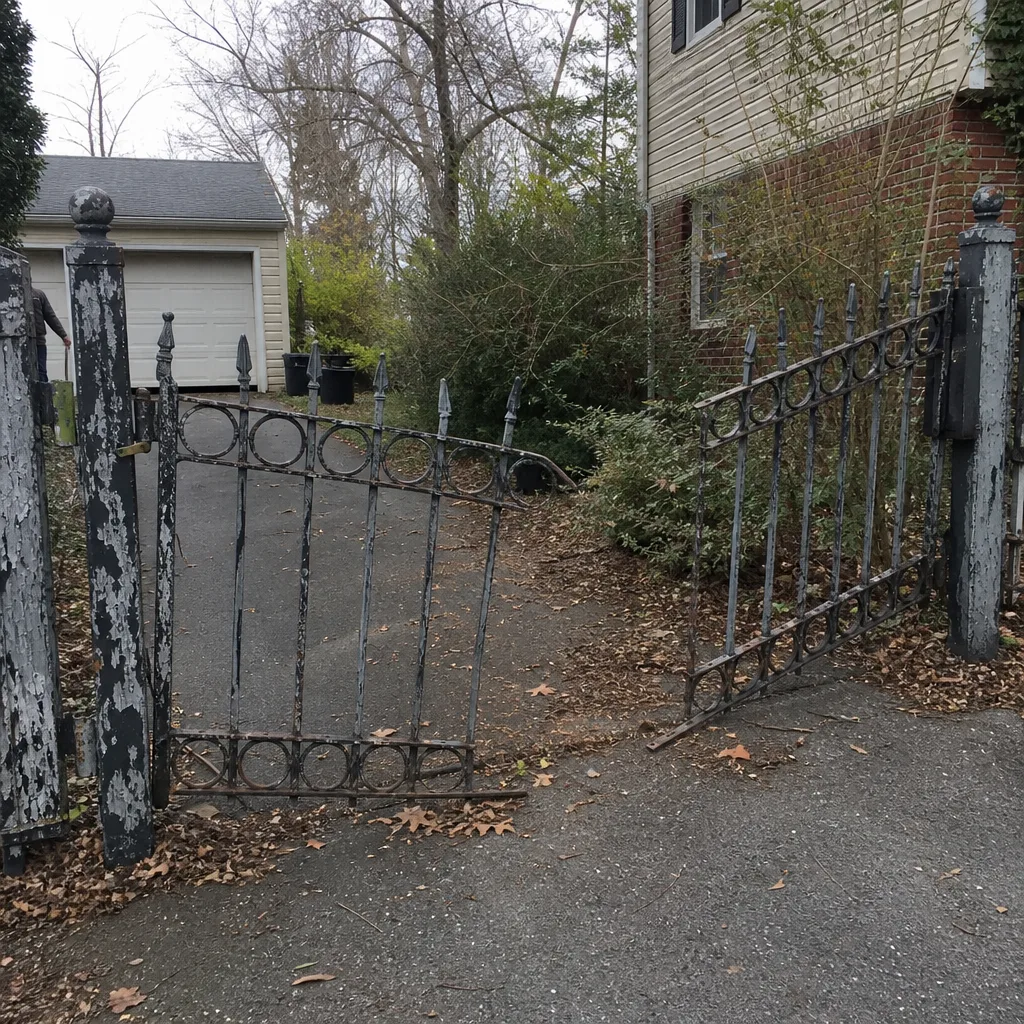 Before
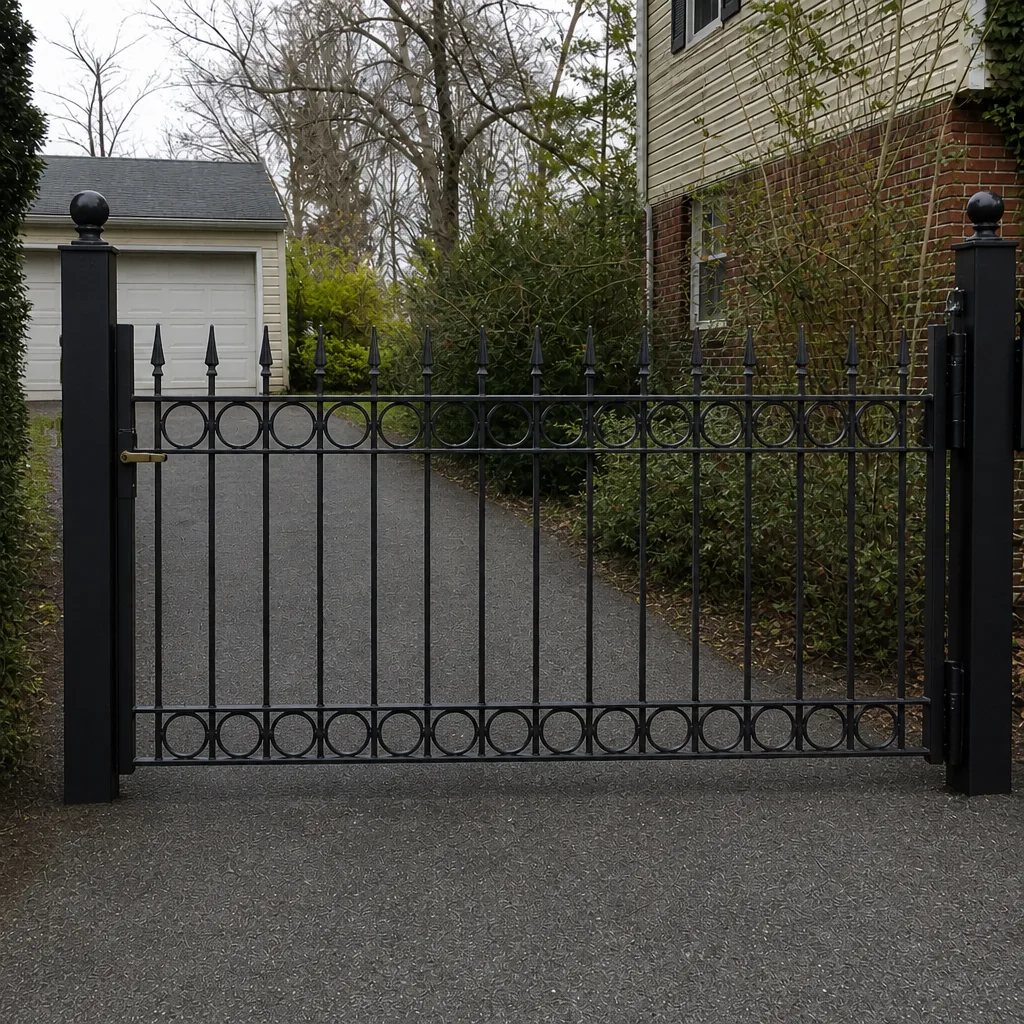 After
When to Call a Professional
Some of this schedule is yours to run: the monthly gap check, the visual walkaround, keeping the log. But several things belong with a trained technician, and a few are urgent enough to call right away. If your gate won’t open or close, if the operator is dead or the control board is acting unpredictably, or if you see grease migrating toward electronics, that’s a call. Any work involving line voltage, the operator’s wiring, access-control equipment, or the heavy panels of a slide gate that could come off the track is also technician work, and we don’t recommend otherwise. Safety edges and photo-eyes that fail a test need attention too, because an automated gate that doesn’t stop and reverse is a hazard. When in doubt about a gate in Columbia, a free estimate costs you nothing. Call (866) 519-6885. We answer 24/7. Fast dispatch from 7am to 7pm, Sunday through Friday.
Frequently Asked Questions
At least twice a year, with the two visits timed to the seasons: a pre-freeze preparation in October and a post-thaw inspection in March, plus monthly gap checks you can do yourself. Columbia’s freeze-and-thaw swing puts the most stress on hinges, posts, and hardware, so those two visits cover the worst of it. Heavy-use commercial and HOA gates benefit from a mid-summer thermal check as well. Call (866) 519-6885 for an exact quote on a service visit. Estimates are free.
The gap measurement at the gate post. Measure the same gap at the same reference points every month and record the number, because a gap that’s slowly changing predicts most imminent failures before any symptom appears. It’s free to do and it’s the earliest warning you’ll get. If the number is drifting, that’s when you call for a professional look before a small adjustment becomes a full repair.
You can lubricate exposed moving parts like hinges and tracks yourself if you match the lubricant to the component: chain lube for chains, lithium grease for hinges, silicone for tracks and seals. What you should not do yourself is open an operator housing or touch any wiring to lubricate anything inside it, because that’s live electrical equipment. If you’re unsure what your operator’s drive assembly needs, ask a technician who knows the brand.
Because problems that started in winter finish in spring. Grease that thickened in the cold works its way into control-board housings once temperatures rise, and hardware that froze loose in place starts moving with the thaw. That’s why the March inspection matters: it catches what winter did before the damage compounds through summer. If a gate in Columbia has been sitting through a hard winter, a spring service on the Columbia schedule is the time to catch it.
Yes. A gate battery ages by how much the operator cycles, not by the calendar, so following the smoke-alarm rule of testing when you change alarm batteries can leave a heavily used battery completely untested between checks. Test under load, meaning you actually run the gate on backup power, and set the interval based on your traffic. Call (866) 519-6885 if you want help setting an interval for your system. Estimates are free.
A dated log of what was checked, what was found, what parts were replaced with brand and component, who did the work, and photos of anything repaired. That’s far more useful than a sticker on the operator, because it documents the equipment’s history. Keep it with the property’s other maintenance records for an HOA or with your home records. If you need a full service history for a property in Columbia, call for a free estimate and we’ll help you build it.
The Bottom Line
A gate maintenance schedule that actually works is organized around the seasons, not the calendar of a generic checklist. Prepare for freeze in October before problems lock in, inspect hinges and hardware after the thaw in March, run thermal and stress checks in July, and keep the monthly gap check going year-round. Match the right lubricant to each component, test battery backup on a use-based interval, and keep a record that means something to an adjuster or an inspector. Our technicians have up to 9 years of experience, and we’re gate-only specialists on the brands you own, from DoorKing and LiftMaster to Mighty Mule. When the work needs a trained technician, call (866) 519-6885 for a free estimate; we answer 24/7 and dispatch from 7am to 7pm, Sunday through Friday.
Written by the team at Gate Repair Columbia.